

Iron Man in Marvel Rivals: Charlie INTEL's Guide to Mastering the Flying Duelist
By Redacción UWLG · Source: Charlie INTEL
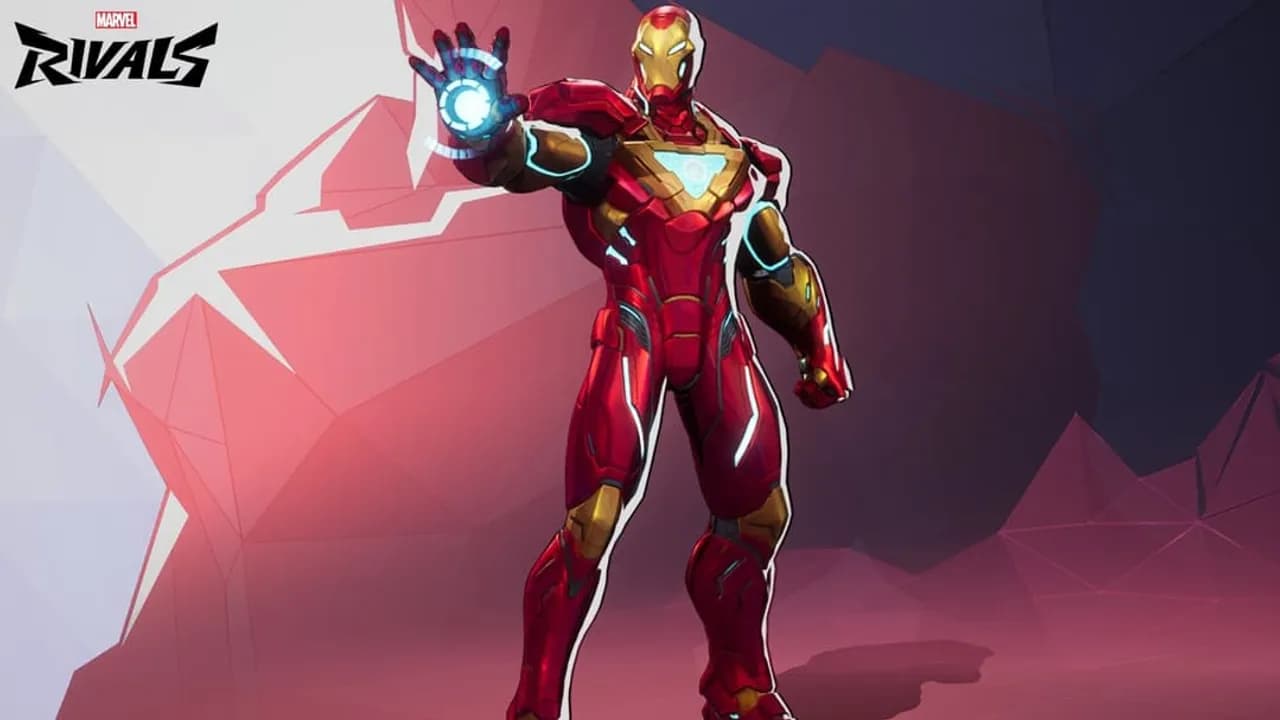
Imagen: Charlie INTEL
Charlie INTEL has published a guide dedicated to Iron Man in Marvel Rivals, the NetEase hero shooter that keeps growing on the competitive scene. According to the outlet, the piece goes over the character's abilities, his ultimate and a series of tips for getting the most out of him, with the aim of helping any player go from trying him out to mastering him. Tony Stark belongs to the Duelist role, meaning the category of heroes whose main job is to deal damage and open gaps in the enemy defense.
Why do we care about a guide for a single hero? Because Iron Man is one of those characters who seem easy to understand yet hard to play well. A Duelist who flies completely changes how the map is read: it forces the enemy team to look up, punishes compositions with no anti-air answer and, at the same time, exposes the person playing him if they don't manage their positioning well. In a game where hero selection decides matches before the first fight even starts, knowing when and how to play Iron Man is useful knowledge for squads and for creators who want to teach the game alike.
What you need to know
- Charlie INTEL has published a complete guide to Iron Man in Marvel Rivals, covering abilities, ultimate and tips.
- Iron Man belongs to the Duelist role, the game's offensive role, focused on generating damage and pressure.
- The guide is aimed at anyone who wants to go from "I'll try him for a bit" to "I've got him down in ranked".
- He's a hero whose strength depends on aerial positioning and coordination with the rest of the team.
- The source doesn't provide damage numbers or statistics; it focuses on explaining the kit and on usage recommendations.
What it means to play a flying Duelist
In Marvel Rivals the roles are quite clearly defined: Vanguards who soak up damage, Strategists who heal and sustain, and Duelists who break the enemy line. Iron Man falls into the third group, but with a quirk that sets him apart from the rest: his vertical mobility. While a ground-based Duelist has to look for corners and cover, Iron Man turns the air into his cover. That gives him firing angles nobody else has and, at the same time, leaves him in plain sight of the entire map.
That's why a guide like Charlie INTEL's makes sense. It's not just about knowing what each button does, but about understanding the character's rhythm: when to dive in to finish a kill, when to pull back to recharge resources, how to tie the ultimate into the team's plays and which enemy heroes are a direct threat to a flying target. That kind of game sense is what separates an Iron Man who "does pretty damage" from one who actually wins rounds.
Who this guide is for
Three very clear profiles within our community. First, the player starting out in ranked who wants an impactful Duelist without relying entirely on close-range aim. Second, the squad that needs a plan B against locked-down compositions where a ground attacker can't get in. And third, the content creator: Iron Man produces spectacular clips and his learning curve is enough material for several "common mistakes" and "this is how you really play him" videos.
Our take
At Underworld Lordz we appreciate it when major outlets make room for guides on specific heroes, because Marvel Rivals has an ever-growing roster and not every character gets the same attention. Iron Man, in particular, is an interesting case: he's charismatic, he sells himself on the license alone, but in competitive play he usually falls behind other, more straightforward Duelists. Having material that explains his kit calmly helps more people take him off the bench and, along the way, lets the scene find out whether he has a higher ceiling than he's given credit for.
That said, we're critical on one point: general-purpose guides tend to stop at "what each ability does" and rarely get into what really matters at a competitive level, which is team context. An aerial Duelist is only as good as his Strategists and the discipline of his Vanguards. Without a composition that covers him and without voice comms, Iron Man becomes an easy target and a liability. We'd like to see this kind of content devote more space to synergies, tough matchups and draft decisions, which is where series are won and lost.
For the creators in our community, the lesson is clear: there's room for Spanish-language guides that go one step further, with examples from real matches, mistake analysis and performance comparisons. The foundation has already been written; what's missing is the competitive layer and the point of view of someone who plays as part of a team. That's where a team like ours can offer something a guide written from the outside doesn't have.
What do you think?
Iron Man divides opinion: for some he's a showcase hero and for others an underrated piece that, played well, turns matches around. We want to know which side you're on and how you fit him into your squad. Do you think Iron Man has a place in the competitive meta of Marvel Rivals, or is he still just a pick for clips? Tell us in the team chat or on our Discord.
Your turn
What do you think?
Share your take in the team chat or on Discord. We feature the best opinions in the next article.
How did it land?
Community takes
…