

'Can I Cry?': GSC Opens Up About the Nightmare of Moving Stalker 2 to Unreal Engine 5.5.4
By Redacción UWLG · Source: Vandal
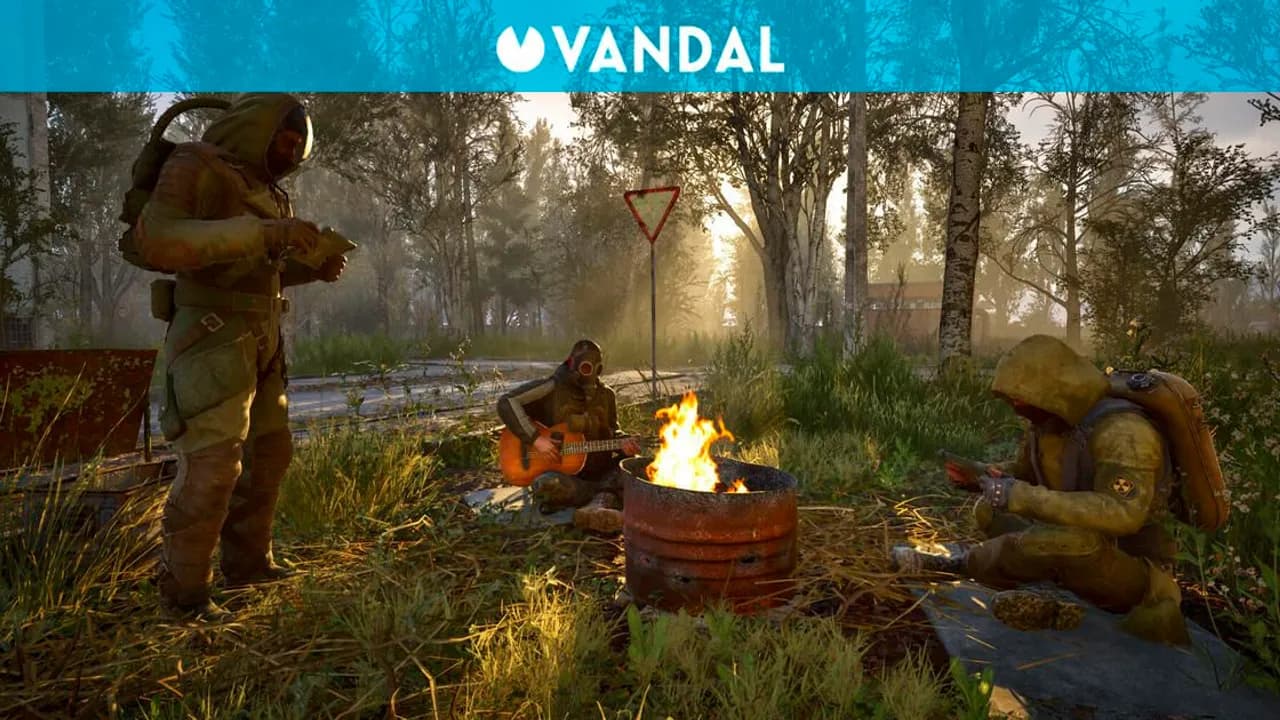
Imagen: Vandal
Patch 2.0 for Stalker 2: Heart of Chornobyl is, according to its own creators, one of the biggest changes the game has received since it launched. But behind that update lies a story that GSC Game World has decided to tell without holding back: moving from Unreal Engine 5.1 to Unreal Engine 5.5.4 was a process that the studio's own leadership describes as a nightmare. As reported by Vandal, when Maria Grygorovych, creative director and COO of GSC, was asked at gamescom how the migration had gone, her answer was as short as it was revealing: "can I cry?"
This matters beyond the anecdote. Stalker 2 is one of the most ambitious projects built on Unreal Engine 5, and what happened to GSC is the perfect example of a problem that affects half the industry: customizing an engine to the point where updating it becomes torture. For those who play, create content, or simply hope the game runs better with each patch, understanding why these things take so long helps set expectations.
What you need to know
- Stalker 2's 2.0 update moves the game from Unreal Engine 5.1 to Unreal Engine 5.5.4, one of the deepest technical changes since launch.
- Maria Grygorovych, creative director and COO of GSC, called the process "extremely difficult" and reacted with a "can I cry?" when asked about it.
- The main cause: the 5.1 version the studio was using was heavily modified and contained a huge amount of custom code, so adapting everything to the new version required an enormous effort.
- Ievgen Grygorovych, CEO and game director, described it outright as "madness" and pointed out that part of the problem stemmed from the early years of development.
- The original report was published by Vandal, based on statements from the studio at gamescom.
A custom engine that turned into a trap
GSC's explanation is easy to understand and hard to solve. When a studio takes Unreal Engine and fills it with its own systems, every official update from Epic stops being a simple "press the button and wait." All that custom code has to be reviewed, rewritten, or reconciled with what has changed in the new version. And the longer you go without updating, the wider the gap grows between your version and the official one.
That is exactly what Maria Grygorovych describes: the 5.1 version the team was working with was so heavily altered that bringing it up to 5.5.4 meant a massive amount of work. Ievgen Grygorovych goes a step further and traces the root of the problem back to the early years of development. Stalker 2 began being built on an earlier version of Unreal, and the decisions made back then have been dragged along to this day. In other words: this isn't a one-off stumble, but technical debt accumulated over years that had to be paid off all at once.
What it means for players
For the community, the message can be read two ways. The good news is that GSC has completed the jump: patch 2.0 now puts Stalker 2 on a much more modern version of the engine, which in theory makes it easier for future improvements to arrive without having to go through this ordeal again. The less good news is that deep migrations like this usually come with adjustments that need checking: settings, performance across different hardware and, for those who use mods, the compatibility of everything they had installed.
It is also worth reading this as a precedent for the rest of the industry. Many studios have bet on Unreal Engine 5 in recent years, and quite a few have done so with early versions that they have modified extensively. What GSC is describing is a warning of what awaits them if they let that distance from the official engine grow too large.
Our take
Here at the Underworld Lordz editorial team, we appreciate GSC's honesty. It's rare for a studio to come out and say a process was "madness" or for its creative director to ask permission to cry in an interview. That transparency is far more useful to the community than the usual "we're working on it" that so often hides months of silence. When you understand what's behind a patch, it's easier to be patient with it.
That said, we also need to be critical. The fact that part of the problem dates back to the early years of development confirms something that happens far too often in the industry: starting on an early version of the engine, modifying it heavily and putting off the update comes at a high price. And that cost isn't paid only by the studio in working hours; it's paid by the people who have been waiting with the game in their library for the performance and stability they were promised. For those who play competitively or record content, every major patch is a gamble: it can fix what had been broken for months or it can wreck the setup that took so much effort to fine-tune.
Our practical recommendation for creators and demanding players is clear: after an engine change of this magnitude, don't take anything for granted. Check your graphics settings, verify your mods and record a few test matches before getting back to your routine. If GSC has done its job well, this should be the patch that marks a turning point. If not, at least now we know why.
What do you think?
GSC's honesty is welcome, but the technical debt it describes leaves open questions about how Stalker 2 was planned from the start. Do you think studios should prioritize keeping up with the engine even if it delays content, or would you rather have new features first and migrations later? Tell us in the team chat or on our Discord: is a technical nightmare like this worth it if the game comes out better on the other side?
Your turn
What do you think?
Share your take in the team chat or on Discord. We feature the best opinions in the next article.
How did it land?
Community takes
…