

Sony's reply to the PlayStation boycott: your games are licenses, not purchases
By Redacción UWLG · Source: Gamereactor España
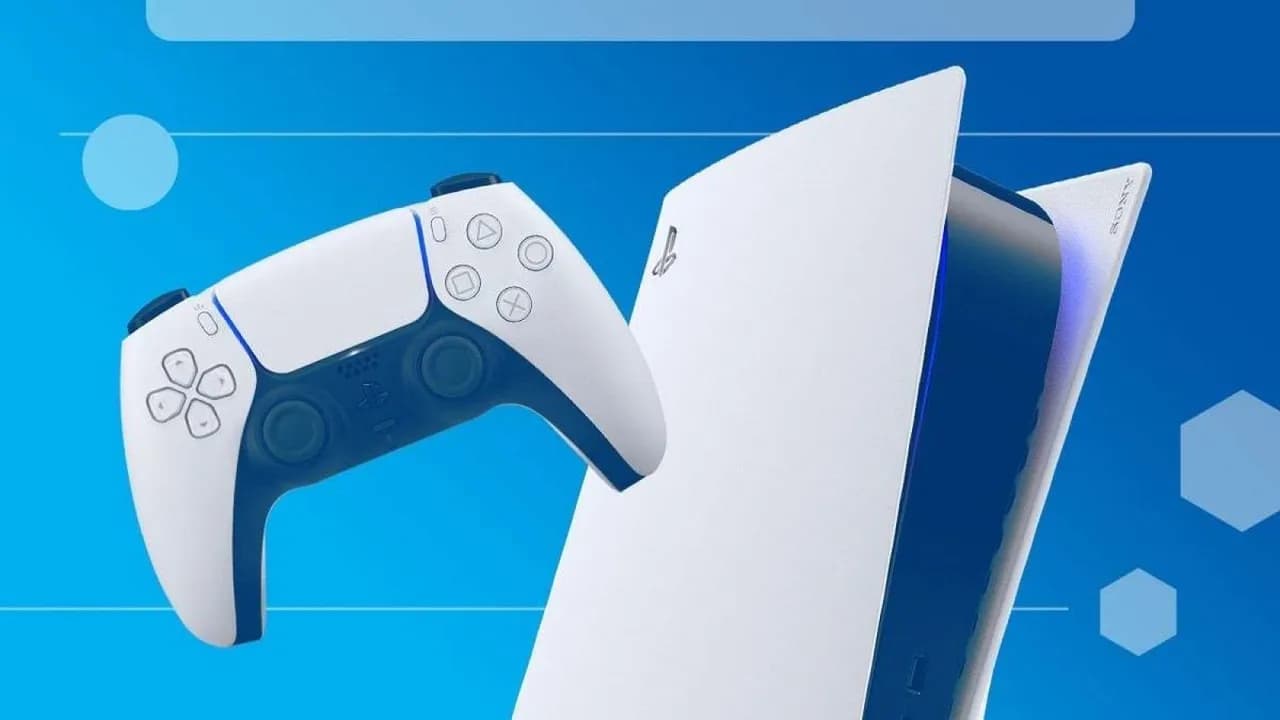
Imagen: Gamereactor España
The PlayStation boycott has just kicked off. Part of the community, unhappy with Sony's latest decisions and especially with the move to stop manufacturing physical discs, has decided to close its wallet: no buying games and no turning on the console for as long as the protest lasts. And the company's response, as reported by Gamereactor Spain based on what journalist Tom Warren posted on Bluesky, has not been a conciliatory statement, but an email to users reminding them of the terms they agreed to when they created their account.
The message is as short as it is uncomfortable: the software is not sold to you, it is licensed to you. It matters because it spells out something the industry has spent years hiding in the fine print and which, with the disappearance of the physical format, stops being a theoretical debate. If there is no disc, there is nothing that is yours in the traditional sense of the word: only a personal, non-transferable permission to play on the intended device.
What you need to know
- There is a boycott underway against PlayStation, driven by players unhappy with Sony's recent measures, above all the end of physical disc production.
- Sony has started sending emails to users reminding them of the terms of use, including the clause that defines the purchase of a game as a license.
- That license is limited, non-exclusive, non-transferable and personal, and only covers private, non-commercial use on the system the game is intended for.
- There is no data on how many people have joined the boycott or on its real impact; the source stresses that the mere fact of sending the email suggests Sony has taken note of the discontent.
What the license actually says
The clause Sony has decided to remind its users of is this:
The software is licensed to you, not sold. You are granted a limited, non-exclusive, non-transferable and personal license to play or use the software for your private, non-commercial use on the system or device for which it is intended.
It is worth breaking it down, because every adjective has consequences. Limited means the permission has boundaries set by the company, not by you. Non-exclusive is obvious: the same permission is granted to millions of people. Non-transferable is the one that hurts most: you cannot lend it, gift it or resell it, exactly what you could do with a disc. Personal ties it to your account, not to your family or your household. And the addition of private, non-commercial use is the part that should raise an eyebrow for anyone who makes a living, even partly, creating content with those games.
The context: why now
The trigger is not new. The community had been building up complaints against Sony, but the decision to abandon physical discs has been the last straw for many. With the physical format, the conversation about licenses was almost academic: you had an object you could resell, lend or keep for twenty years. Without it, the only ownership left is Sony's over its platform, and the player's is reduced to whatever access the company chooses to keep open.
What stands out is the reaction. Faced with a consumer protest, Sony has neither explained its strategy nor offered guarantees about the preservation of digital libraries; it has chosen to point to the contract. According to the source, it is unclear whether the boycott has enough critical mass to show up in the company's accounts, but the email at least proves the complaint has reached the right offices. That the answer is a legal reminder rather than a conversation says a lot about how the company understands its relationship with the people who pay it.
Our take
At Underworld Lordz we have been playing digital for years and we are not going to fake nostalgia for plastic cases. But choosing digital for convenience is one thing, and having the alternative taken away and then being reminded that you never actually owned anything is quite another. The tone of the email is what grates on us the most: when a community protests, the least you can do is listen, not point at the paragraph you signed without reading. For a competitive player who pours hundreds of hours into mastering a title, the idea that this access depends on a server staying online or on an account not getting banned is, to put it mildly, unsettling.
For content creators the matter is even more delicate. The license literally talks about private, non-commercial use. We know that in practice monetized streams and videos are made every day, and we are not going to invent how Sony will enforce that clause, because the source does not clarify it. But the fact that the company chose precisely that text to respond to a protest should push any streamer or YouTuber to read their terms carefully and to diversify platforms. Depending entirely on the ecosystem of a single company that has just reminded you it owes you nothing is not a good business strategy.
Will the boycott work? Honestly, we doubt it if it stays at a week of noise on social media. What can work is sustained pressure: asking in writing what happens to libraries when a store shuts down, demanding clarity on resale and lending, and rewarding with our money the platforms that do treat purchases as purchases. Sony has shown it listens; now it needs to care enough to answer with something other than a contract.
What do you think?
The debate is on and there is no single voice on the team: some believe the license is the inevitable price of going digital and others that it is an excuse to control every corner of your library. We want to know which side you are on. Would you join the PlayStation boycott, or do you think there is no going back and it is time to accept that games are a rental? Tell us in the team chat or on our Discord.
Your turn
What do you think?
Share your take in the team chat or on Discord. We feature the best opinions in the next article.
How did it land?
Community takes
…