

Steam Deck 2: Valve Breaks Its Silence and the Community Asks When and How
By Redacción UWLG · Source: Movistar eSports
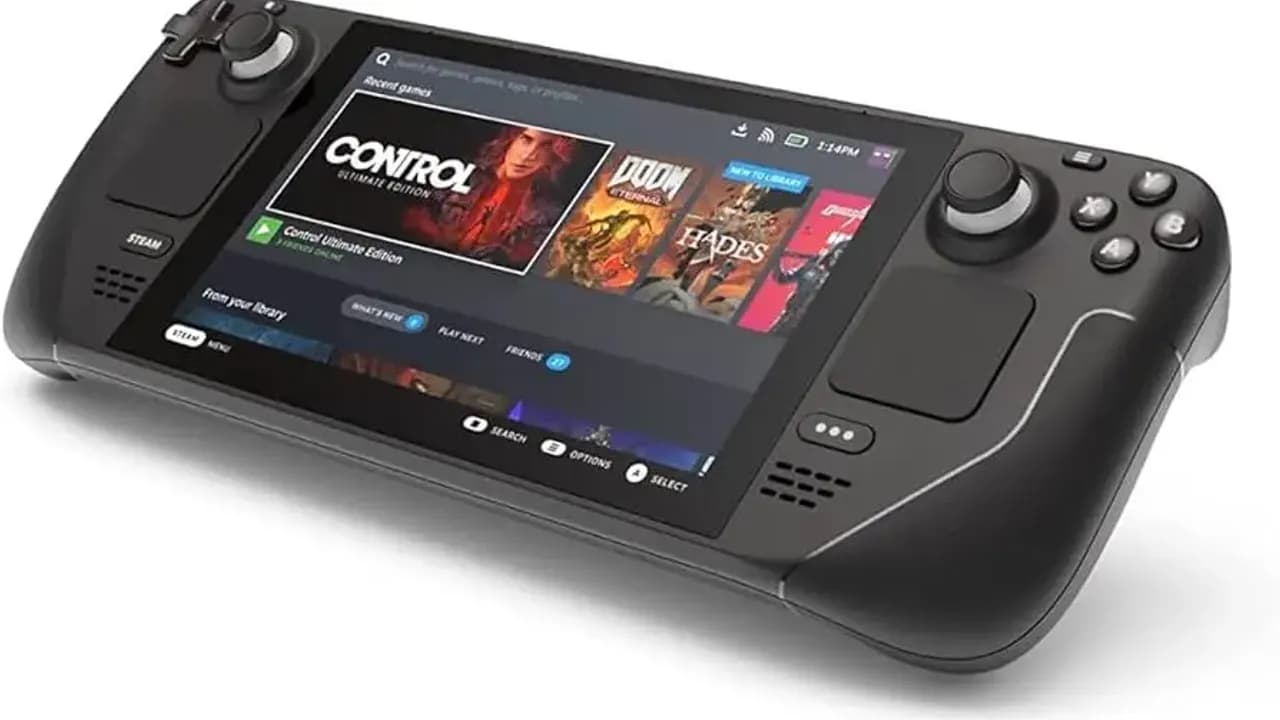
Imagen: Movistar eSports
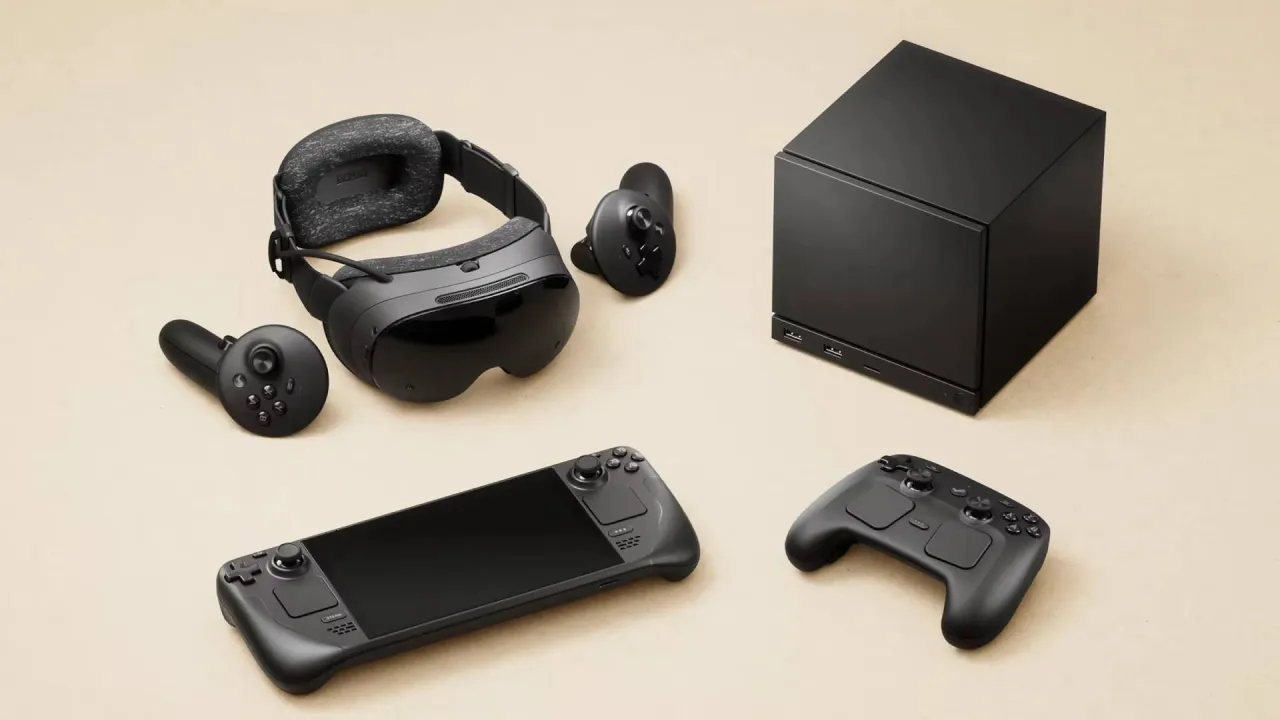
Valve has spoken about Steam Deck 2 again, and coming from a company that rations every word about its hardware, that alone is news. As reported by Movistar eSports, Gabe Newell's company has shared its plans for the successor to its handheld PC, one of the most anticipated devices in the industry and, for much of the sector, an almost guaranteed success before it even exists.
It matters because the first Steam Deck changed how many of us think about PC gaming: playing your Steam library on the couch, in an airport or between scrims, without relying on a tower. Whatever Valve decides for the second generation will set the course for the entire handheld market, including the manufacturers who came along later and copied the formula. And for a community like ours, spread across the Americas and Europe, with players who compete and creators who record from anywhere, this is far from a minor topic.
What You Need to Know
- Valve has publicly discussed its plans for Steam Deck 2, as reported by Movistar eSports.
- The handheld is one of the most anticipated devices of the moment and is widely expected to be a commercial success when it hits the market.
- The big unknown remains the one the source raises: the question of when it arrives and what final form it takes is unavoidable, and Valve hasn't fully answered it.
- Much of what circulates on social media about price, power or release date is still speculation until Valve confirms it officially.
Why Valve Is in No Hurry
Valve's strategy with Steam Deck has never been that of a traditional console manufacturer. There are no rigid generational cycles or annual presentations to satisfy shareholders. The company has long argued that a new generation only makes sense with a real leap in performance that doesn't punish battery life, and in the meantime it has opted for interim revisions, like the OLED model, that improved the experience without forcing anyone to switch machines.
That approach has a clear reading: Valve wants Steam Deck 2 to be a genuine step forward, not an excuse to sell another box. The problem is that while the manufacturer takes its time, the competition doesn't stop. ASUS, Lenovo and MSI have launched their own Windows handhelds, and the SteamOS ecosystem is slowly growing beyond Valve's hardware. Every month that passes without a successor is a month in which the original Deck ages against more powerful rivals, even if it remains the most well-rounded option in software and comfort.
What Changes for Competitive Players and Creators
For those who compete, the handheld isn't going to replace a desktop PC or a high-refresh-rate monitor, and nobody at Underworld Lordz claims otherwise. But it is the perfect tool for keeping pace while travelling, reviewing matches, warming up before an event or simply staying sharp during busy weeks. A real jump in power would let more competitive titles run with the smoothness that serious play demands.
For content creators, the equation is even more interesting. Recording and streaming from a portable device opens up formats that don't exist with a fixed tower: live streams from events, on-the-go challenges, community content recorded on site. If Steam Deck 2 improves capture, connectivity and battery life, it becomes a small pocket studio. And that's where many of our creators are waiting for concrete signals before investing.

Our Take
Here in the newsroom we welcome Valve speaking up, but we'd ask it to speak more and speak better. Every time the company drops a hint about Steam Deck 2, the market freezes: some people postpone buying the current Deck out of fear of being stuck with old hardware, and some creators don't know whether to wait or bet on the competition. A bit of clarity on the roadmap, even without dates, would be a show of respect to the community that turned the first Deck into a phenomenon.
We also want to be critical of a point the industry tends to overlook: hardware is only half the problem. A large share of the most-played shooters and competitive titles still don't work on SteamOS because of their anti-cheat systems, and no amount of extra power fixes that. If Valve wants Steam Deck 2 to matter to esports teams and not just for playing indies on the subway, it needs to solve compatibility with the games that actually drive the scene. Otherwise, the successor will be a magnificent machine for an audience that isn't ours.
All that said, we remain convinced that Steam Deck 2 will be a success, as the source itself suggests. The brand has credibility, the community is eager and the format has already proven it works. We just hope Valve doesn't confuse "taking its time" with "leaving people in the dark".
What Do You Think?
The conversation about Steam Deck 2 is going to last for months, and we want to know which side you're on. Would you wait for the new generation even if it takes a while, or would you rather Valve released a more powerful handheld now even if the leap were smaller? Tell us in the team chat or on our Discord.
Your turn
What do you think?
Share your take in the team chat or on Discord. We feature the best opinions in the next article.
How did it land?
Community takes
…