

Valve admits it: the Left 4 Dead 2 trailer was leaked on purpose to get around the ESRB
By Redacción UWLG · Source: Vandal
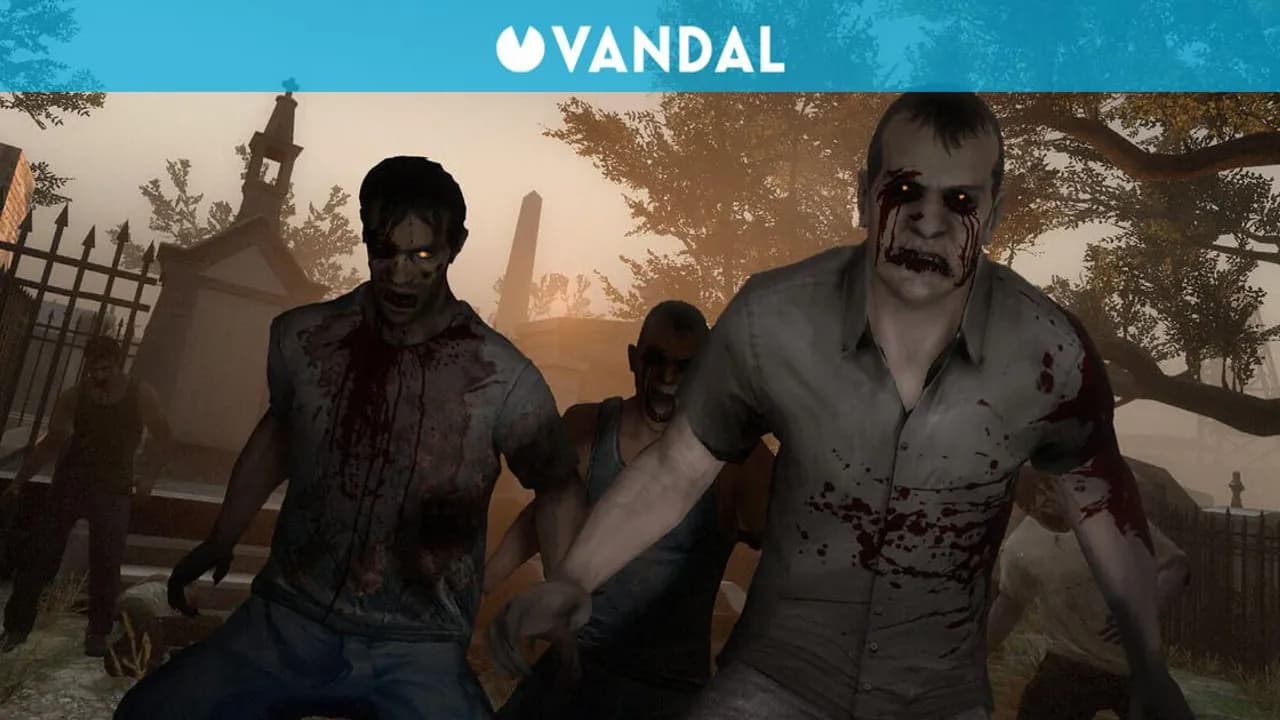
Imagen: Vandal
Some stories take the industry decades to tell, and this is one of them. Chet Faliszek, who led the Left 4 Dead 2 project at Valve, has acknowledged in a video published on YouTube that the game's original trailer did not slip out by accident: it was the development team itself that put it into circulation unofficially. As reported by Vandal, the confession comes almost twenty years after that episode, and Faliszek himself jokes that enough time has passed to spare them any reprisals.
The reason matters as much as the anecdote. According to Vandal's report, the ESRB, the body that assigns age ratings to video games in the United States, had blocked the video for being too graphic for a formal release. Faced with that wall, Valve chose an unorthodox route: leaking its own material. The move also had consequences for the final product, because the studio was forced to tone down the language in the definitive version of the game.
What you need to know
- Who is telling it: Chet Faliszek, former director of Left 4 Dead 2 at Valve, in a YouTube video.
- What happened: the team intentionally leaked the game's original trailer instead of waiting for an official release.
- Why: the ESRB deemed the video excessively graphic and did not allow it to be formally distributed.
- Side effect: Valve had to tone down the language in the game's final version.
- When it came out: almost two decades later, with Faliszek joking that there is no possible punishment anymore.
The ESRB as a wall and the leak as a shortcut
To understand the maneuver, it helps to remember what role the ESRB plays. It is the entity that assigns age ratings in the United States and, in practice, it also oversees the promotional material companies want to distribute officially. If the board decides a trailer crosses the line, the formal path is closed. That is exactly what happened to Valve with Left 4 Dead 2, according to Vandal's report: the video was too explicit for the regulator's taste.
The studio's response was as simple as it was risky. Instead of cutting the trailer down until it was unrecognizable or shelving it in a drawer, they decided it would reach the public through the back door. A "leak" that was, in reality, an anonymously signed campaign. Faliszek tells it with irony: since they wouldn't let them publish it, they released it ahead of time. And he adds a detail that will sting collectors of gaming trivia: he believes that original trailer can no longer be found today.
What changed in the game
The less fun part is that the standoff did not come for free. The source notes that the studio ended up softening the language in the final version of Left 4 Dead 2. In other words, the regulator's pressure did not only affect the video; it also left its mark on the product players ended up buying. The leak got the trailer out into the light, but it did not stop the game from hitting shelves with the handbrake partially on.
The story also paints a picture of the Valve of that era: a studio willing to bend the rules to defend its creative vision, with a move that would be unthinkable today at a company of its size. That Faliszek insists there is no longer any risk of reprisals suggests that at the time there was.
Our take
At the Underworld Lordz newsroom, the confession made us laugh, but it also leaves a bittersweet taste. On one hand, it is hard not to applaud a team that refused to let an outside body decide how its game should be presented. Left 4 Dead 2 has a very clear DNA, and neutering its trailer would have meant betraying exactly what made it special. That Valve gambled on it says a lot about the confidence they had in their vision.
On the other hand, the story exposes an inconsistency that still holds today: you can sell a zombie game to adults, but you cannot show it as it really is in a promotional video. Content creators in our community will find this familiar. Anyone who records clips, edits highlights or streams shooters spends their life dodging automated filters, demonetizations and blocks that punish the very things the game itself allows. That ESRB from twenty years ago has plenty of heirs on today's platforms.
What we do find worthy of criticism is that the pressure ended up watering down the language in the final game: there, the leak fell short as a defense of the work. And it has to be said too: normalizing a company leaking its own material whenever it suits them is a double-edged sword. Today it is called a leak and tomorrow it is called covert marketing, and competitive players, who depend on reliable information about patches, changes and releases, lose out when the line between what is real and what is orchestrated gets blurred.
What do you think?
Faliszek's confession reopens an old but very current debate: how far should a studio go to defend its work against a regulator, and when does a leak stop being rebellion and become a marketing trick? Do you think Valve was right to sidestep the ESRB, or did it set a dangerous precedent? Tell us in the team chat or on our Discord.
Your turn
What do you think?
Share your take in the team chat or on Discord. We feature the best opinions in the next article.
How did it land?
Community takes
…