

Wardogs reopens the crunch debate: Bulkhead only hires people who accept overtime
By Redacción UWLG · Source: IGN España
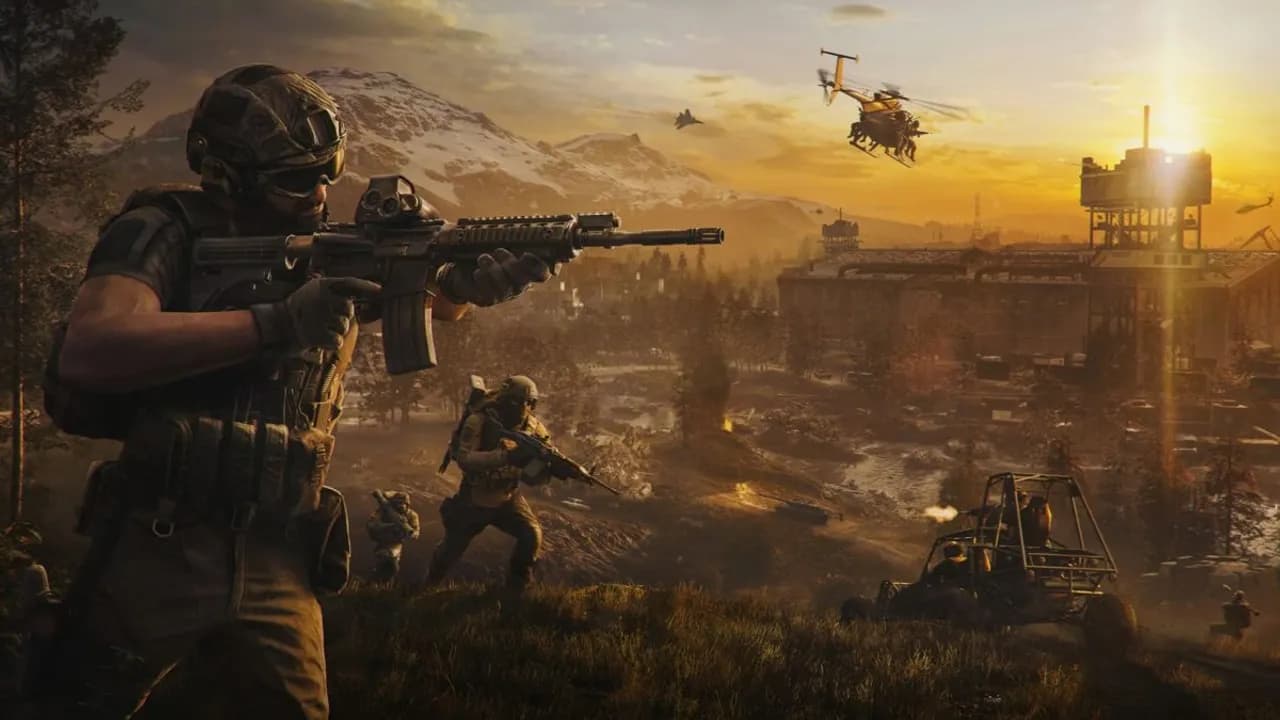
Imagen: IGN España
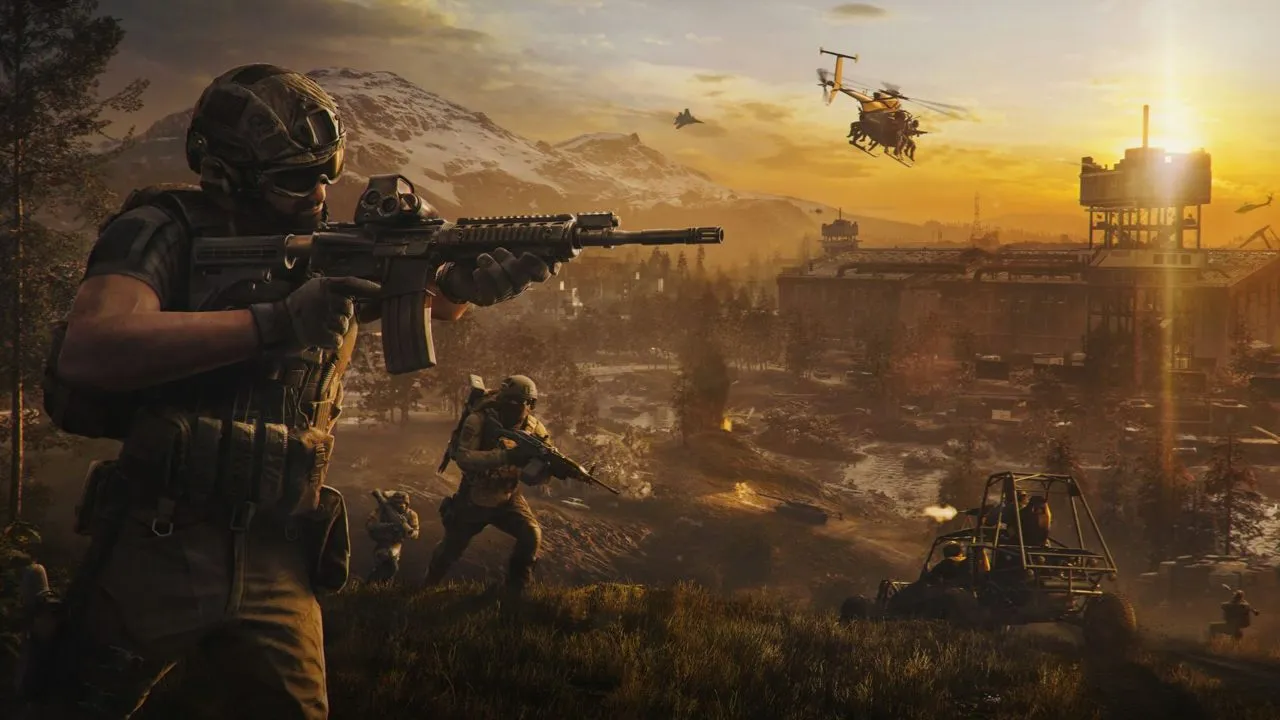
When a new game succeeds, its studio usually gets a round of applause. With Wardogs something different is happening: the title from Bulkhead has become a hit, but the conversation isn't about its mechanics, it's about how it was made. As reported by IGN Spain, its chief executive, Joe Brammer, explained in an interview with The Game Business that the studio avoids hiring people who aren't willing to work overtime, and described his company as a place you go to work hard, no half measures.
The line making the most noise is a different one: Brammer acknowledged that, during the last three months of development, the project came to matter more than a good part of family life for many members of the team. Said like that, out loud and without hedging, the comment has put crunch back at the center of the debate, just when it seemed the industry was starting to treat it as a problem rather than a badge of honor.
What you need to know
- Joe Brammer, CEO of Bulkhead, says the studio rejects candidates who don't want to work overtime.
- The statements come from an interview with The Game Business, reported and translated by IGN Spain.
- Brammer admits that in the last three months the game weighed more than the family life of many of his employees.
- Wardogs is a recent success, which gives ammunition to those who defend this way of working.
- The case reopens the crunch controversy, one of the oldest open wounds in game development.
What Brammer said and why it stings
Context matters. Brammer wasn't caught off guard, and this isn't an anonymous leak from burned-out employees: it's the head of the studio explaining, in answer to the interviewer's questions, what the company's official stance is. And that stance is clear: anyone who joins Bulkhead knows they'll be asked to work overtime, and anyone not willing to do so had better not send in their résumé.
There are two layers to the message. The first is the company philosophy, that we come here to work hard line that sounds like a locker-room speech before a final. The second is the specific admission that the final stretch of Wardogs ate up the personal lives of a large part of the staff. It's that second layer that turns a statement of intent into something far more uncomfortable, because it no longer speaks of culture or attitude, but of real consequences for real people.

Crunch, a debate that never fully closes
Crunch isn't new. For years, the periods of overwork before a launch have been told as part of the industry's folklore, with the same epic tone used to recount the final days of a tournament. What has changed is public perception: more and more players, press and workers see it as a planning failure, not as proof of commitment.
What makes the Bulkhead case special is that the studio doesn't hide it or dress it up. Brammer presents it as a condition of entry, almost as a hiring filter. That is, at once, more honest and more worrying: honest because no one will be able to say they were misled, and worrying because it normalizes the idea that a studio can select its people based on how much of their life they're willing to give up. And if Wardogs sells well, the risk is that other studios read that success as validation of the method.
Our take
At Underworld Lordz we know what it means to push hard. Anyone who has prepared for a tournament or closed out a week of streams without sleep understands: there are moments when you give everything. But there's a huge difference between a one-off effort that is chosen and compensated, and a company culture that turns that effort into the norm and uses it as a criterion for deciding who gets hired. The first is competing; the second is burning people out with an expiration date.
We're especially concerned about the effect on the product we consume. An exhausted team delivers worse post-launch support, takes longer to fix bugs and struggles to sustain the patches a competitive game needs to stay alive. For players who take the scene seriously and for creators who depend on a healthy title for months, a studio that crosses the finish line running on empty does them no favors. Wardogs' initial success says nothing about what will happen a year from now.
Nor do we buy the argument that those who accept the deal do so freely. In an industry with more candidates than jobs, saying only those who accept overtime get in isn't offering a choice, it's setting the price of admission. We'd rather see studios boast about planning well than about squeezing harder.
What do you think?
The controversy is served and there's no comfortable answer: the game works, the studio defends it unapologetically and part of the community applauds the honesty. Do you think it's acceptable for a studio to require, as a condition of employment, a willingness to work overtime, or do you think Wardogs' success doesn't justify that price? Tell us in the team chat or on our Discord.
Your turn
What do you think?
Share your take in the team chat or on Discord. We feature the best opinions in the next article.
How did it land?
Community takes
…