
Ban the Cheater, Not the Account: The Master's Thesis Challenging CS2's Anti-Cheat
By Redacción UWLG · Source: Dexerto
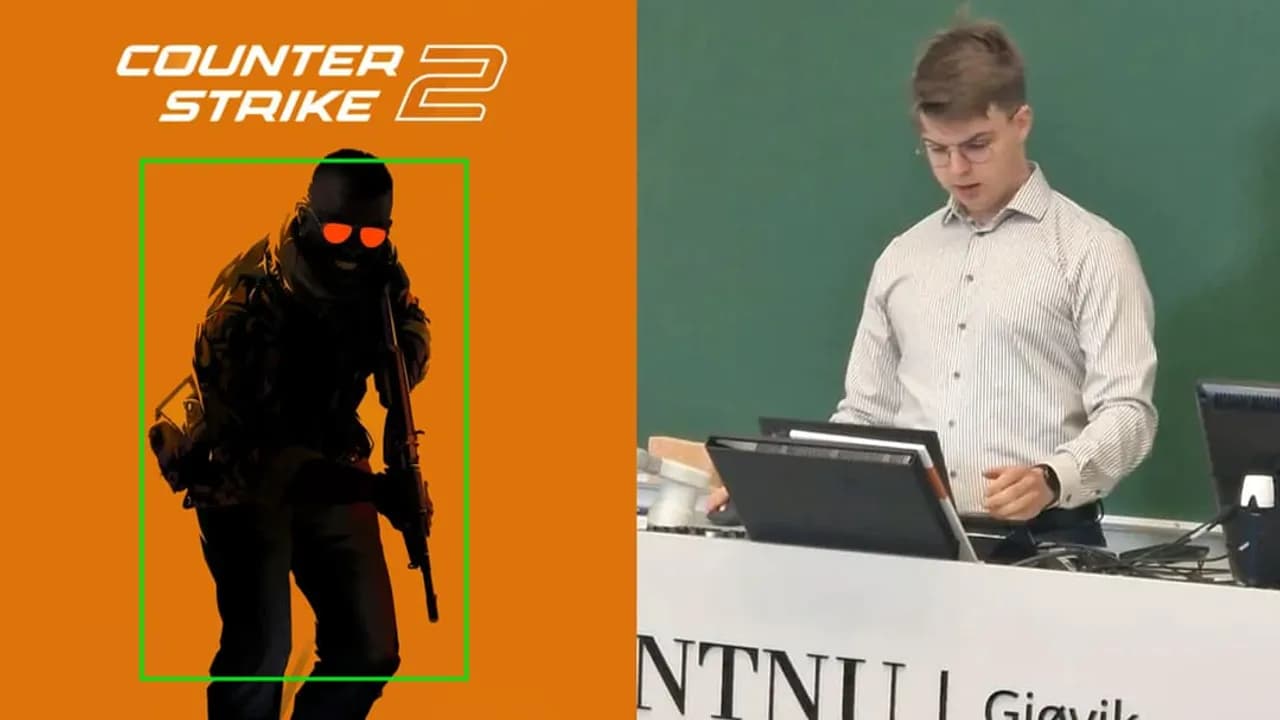
Imagen: Dexerto
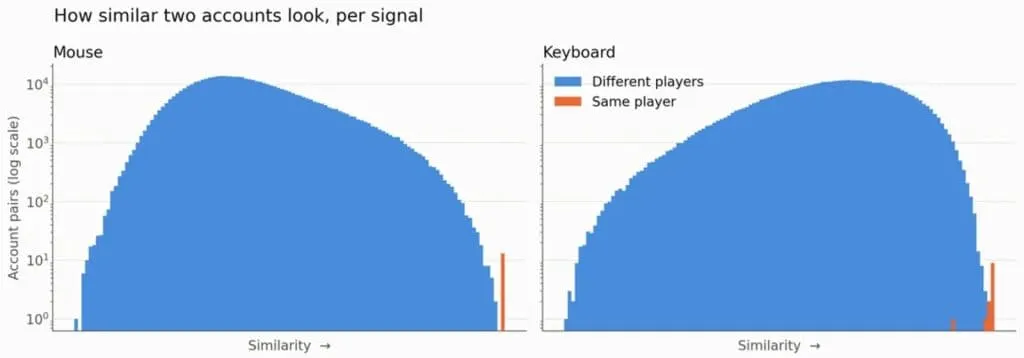
Some ideas are born in an office at Valve; others are born in a university library. As reported by Dexerto, a Counter-Strike 2 player has devoted their master's thesis to one of the oldest and most frustrating problems in competitive play: the cheater who gets banned, shrugs it off, creates a new account and jumps back into matches as if nothing happened. Their proposal is a system that would let the penalty follow the player, not just the account.
It might sound like a technical nuance, but it is the very heart of the problem. As long as the punishment falls on something as cheap and replaceable as a Steam profile, a ban works more like a parking ticket than an expulsion. If an academic paper can seriously lay out how to break that cycle, the conversation about anti-cheat in CS2 moves up a level, even if we are still a long way from seeing it put into practice.
What you need to know
- A CS2 player has written a master's thesis focused on how to punish cheaters permanently.
- The key to the approach: tying the ban to the person, not to a specific account.
- The goal is to stop cheaters from simply starting over with a fresh profile.
- This is an academic proposal; the source does not indicate that Valve has adopted it or that it will be implemented.
The underlying problem: punishing something you can just throw away
Anyone who has played Premier or competitive matches with any regularity knows the pattern. You run into someone whose skill level just doesn't add up, the match ends, maybe a ban lands a few days later… and a few weeks after that, another profile shows up with the same suspicious playstyle. The current account-based system punishes the vehicle but leaves the driver free to buy another car.
That is where the value of the idea covered by Dexerto lies: shifting the focus from the account to the individual. On paper, this dramatically raises the cost of cheating, because paying for or creating a new profile would no longer be enough to wipe the slate clean. If the risk is losing access for good, the calculation changes completely for many casual cheaters.
Who it affects
The obvious winners are legitimate players, especially those at higher ranks, where a single cheater can ruin matches that cost time and rating. Content creators benefit too, since they rely on clean matches for their streams and videos to make sense. And, of course, the amateur and semi-pro scenes, where trust in the competitive environment is the foundation of everything.
On the other side are those who make a living from the cheating ecosystem and account selling: a system that follows the person would take away a large part of their business.
Our take
At Underworld Lordz, we believe this is the right approach, and we find it significant that it comes from someone within the community itself. For years, the anti-cheat debate has been reduced to calls for “more bans” or “faster bans,” when the real gap is that the punishment has no memory. A thesis that targets that specific issue deserves attention, even if, for now, it is only a proposal.
That said, we need to stay critical. Identifying a person rather than an account raises sensitive questions: what data would be used to do it, how that data would be protected, what happens with false positives, and how you appeal a penalty that would, by definition, be far more severe. A wrongful account ban is bad enough; one that bans you as a person would be a huge injustice. Any system like this would need transparency and a serious appeals process. The source does not explain how the thesis addresses these issues, and we are not going to speculate, but these are the questions Valve would have to answer before going down that road.
For competitive players and creators, the message is clear: community pressure works. The fact that this topic has reached academia shows that cheating is no longer just a forum complaint, but a technical challenge that someone considers worthy of formal research. Hopefully Valve reads it carefully.
What do you think?
Would you be willing to share more data with an anti-cheat system in exchange for cheaters never being able to come back, or do you think the privacy cost would be too high? Let us know in the team chat or drop by our Discord: where do you draw the line?
Your turn
What do you think?
Share your take in the team chat or on Discord. We feature the best opinions in the next article.
How did it land?
Community takes
…
Keep reading
Competitivo
CS2 Drops for Seven Straight Months as Anti-Cheat Returns to the Spotlight
Competitivo
Brazil cracks down on betting and Brazilian CS2 loses LOUD and Keyd Stars

Competitivo
siuhy becomes a free agent and Liquid loses its captain: the CS2 rebuild continues
Competitivo
Love, chaos and screaming: what your first live CS2 tournament feels like
Team guides
Errores comunes en squad en CS2 y cómo corregirlos
Team guides
CS2 en 2026: meta de armas, roles y cómo subir de rango