
From the Rift to the Tabletop: How a Riftbound Card Is Born from a LoL Champion
By Redacción UWLG · Source: PCGamesN
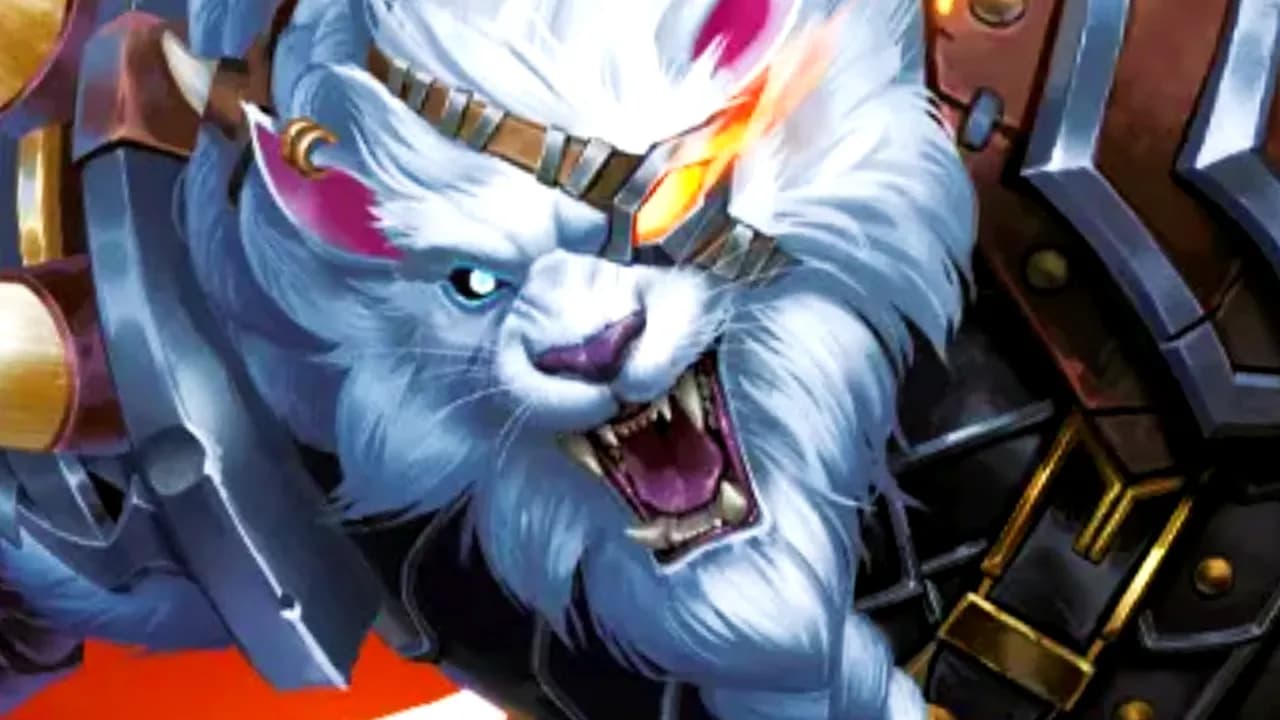
Imagen: PCGamesN
Turning a League of Legends champion into a card seems simple until you really start thinking about it. How do you fit the feeling of landing a perfect combo, dodging a skillshot by a single pixel, or dominating a lane for twenty minutes into a small cardboard rectangle? That is the question Dave Guskin, game director of Riftbound, answers in an interview published by PCGamesN, where he explains how the team translates LoL champions into cards while trying to capture their essence.
This matters more than it might seem. Riftbound is Riot's bet on bringing its most popular universe into the world of collectible card games, and its success hinges on something very specific: players who have spent years playing LoL need to recognize their favorite champion the moment they hold the card. If the card doesn't feel like the character, the emotional bond that holds the whole project together breaks. And for a competitive community like ours, that translation determines whether the game will have real depth or just be merchandise with rules attached.
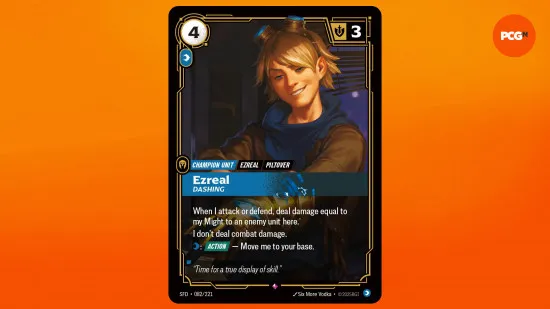
What You Need to Know
- Dave Guskin, game director of Riftbound, walked PCGamesN through the design process behind the champion cards.
- The stated goal is to capture the essence of each League of Legends champion when bringing them to card form.
- It's not about copying abilities one by one, but about translating the character's identity into a completely different game system.
- The interview offers a look at Riot's creative side on a product that lives and dies by its connection to the LoL player base.
The Challenge of Translating a MOBA into a Card Game
League of Legends and a collectible card game run on almost opposite logic. On Summoner's Rift, everything happens in real time: reflexes, positioning, cooldown management, and map awareness. In a card game, on the other hand, turns, resources, probability, and long-term planning rule the day. Moving from one world to the other forces design decisions that inevitably leave some things behind.
That's why the key word in the approach PCGamesN describes is essence. Slapping a champion's name and artwork onto a random set of stats isn't enough. The idea is for the card to convey what makes that character special: their role, the way they pressure the opponent, their fantasy. An assassin should feel lethal and slippery; a tank, hard to take down; a control mage, able to dictate the opponent's plays. When that translation works, a LoL veteran understands the card almost without reading it.
Who It Affects
This approach speaks to two audiences at once. On one side, LoL players who come to Riftbound because of their attachment to the characters and expect to see what they know reflected on the cards. On the other, competitive card game players looking for a balanced system with interesting decisions and room for strategy. Keeping both happy is the big challenge for Guskin's team, and leaning too far in either direction risks driving the other away.
Our Take
Here at Underworld Lordz, we're glad to see Riot talk openly about its design philosophy. Transparency about how the cards are built helps the community understand the game and, above all, anticipate where the meta is headed. For a competitive player, knowing that each champion is designed to reflect their identity is a valuable clue: if you know the character in LoL, you have an intuitive edge in reading what they'll do on the table.
That said, we're skeptical of part of the pitch. Capturing the essence sounds great in an interview, but the real test comes when the game gets truly competitive. The history of card games is full of charming designs that ended up broken in tournaments, and beloved characters that became unplayable because their fantasy didn't fit with game balance. Thematic faithfulness can't be an excuse for unbalanced cards, and balance can't strip the champions of their personality. We need to see more concrete detail, beyond the general approach, to judge whether Riot has found that sweet spot.
For content creators, though, this is pure gold. Every champion card is an excuse to compare, debate, and theorize: does it play like it does on the Rift? Which ability got left out? What new combo does it enable? That dialogue between the two games is an endless source of videos, streams, and analysis. If Riot nurtures that connection, Riftbound has everything it needs to grow hand in hand with its community.
What Do You Think?
Now it's your turn. Think about your main in League of Legends and everything that makes them unique when you play them. Do you think that essence can really be captured in a card, or does something always get lost in translation? Tell us which champion you'd like to see better represented in Riftbound and debate it with the rest of the team in the chat or on our Discord.
Your turn
What do you think?
Share your take in the team chat or on Discord. We feature the best opinions in the next article.
How did it land?
Community takes
…
Keep reading

Competitivo
True Damage returns with the Worlds 2026 anthem, but the focus on Faker and T1 is wearing thin
Competitivo
Dplus Kia Arrives at Worlds 2026 as the LCK's Fourth Seed, but They Are Not Here as Tourists
Competitivo
The top lane makes its move: the triangle that could define the entire LEC offseason

Parches
2XKO completes its roster with Samira and a surprise Sett before saying goodbye
Team guides
Cómo subir de rango en LoL: farmeo, visión y decisiones
Team guides
League of Legends: ajustes, primeros campeones y primeros pasos