
DLSS 5 Slips Unannounced into Metro 2033 Redux and Last Light Redux
By Redacción UWLG · Source: Vandal

Imagen: Vandal
Metro 2033 Redux and Metro: Last Light Redux are back in the spotlight. Yesterday they received a free next-gen update packed with graphical improvements, aimed both at players who have never gone down into the Moscow tunnels and at veterans who want to revisit the series before Metro 2039 arrives in February next year. So far, a logical move ahead of the franchise's next release.
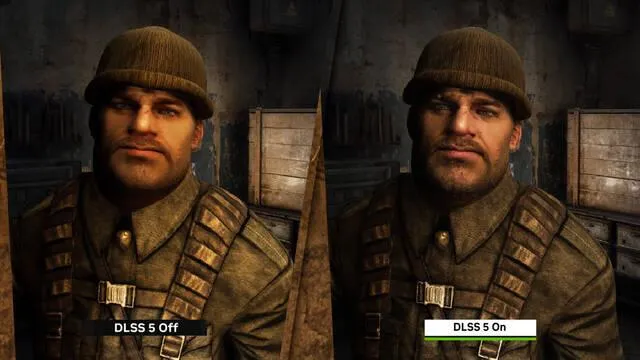
The surprise, as reported by Vandal, was hidden in the PC version: the patch adds support for DLSS 5, the new generation of NVIDIA's technology, without the official notes saying a single word about it. That makes two veteran remasters the second and third games to debut the technology, ahead of far more recent titles such as Hogwarts Legacy. For a community as focused on hardware as ours, it's news that deserves more than a quick glance.
What you need to know
- Free update: both Redux games received a next-gen patch yesterday with graphical improvements, at no extra cost for those who already own the games.
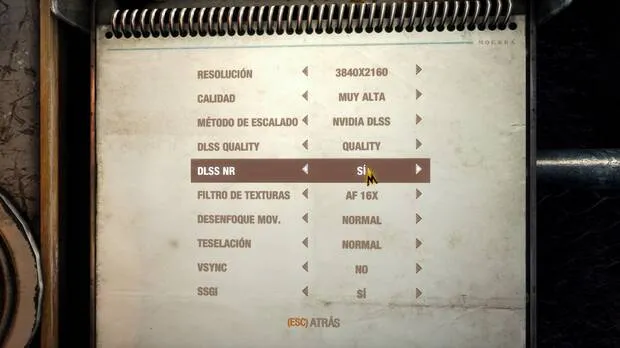
- DLSS 5 on PC: support for the new version of NVIDIA's technology is present and visible in the graphics options of both titles.
- Not in the notes: the addition was not mentioned in the official changelog. The discovery was made by Renan Maniero, and the site TweakTown verified it afterwards.
- Unexpected pioneers: Metro 2033 Redux and Last Light Redux are the second and third games to receive DLSS 5, ahead of Hogwarts Legacy, among others.
- Prelude to Metro 2039: the patch serves as a warm-up for the new installment, scheduled for February next year.
What DLSS 5 is and why it matters that it debuts here
Until now we associated DLSS with upscaling and frame generation: a tool for gaining performance without sacrificing too much sharpness. DLSS 5 takes a different step. As Vandal explains, it incorporates a system capable of making adjustments to the image to deliver more realistic faces and improve lighting. In other words, it no longer just reconstructs pixels: it intervenes in how the game looks. It's a change of philosophy, and the fact that the first wave of compatible titles includes two classics rather than a seasonal release says a lot about how NVIDIA wants to showcase the technology.
The Metro series has always had a reputation as a technical testbed, so it's no coincidence that the Redux games are back in that role. The difference is that this time nobody announced it. A free patch, some notes that talk about general improvements and, suddenly, a new option in the graphics menu that the community had to discover on its own. Needing an attentive user and a specialist outlet to confirm something like this is not the cleanest way to debut a flagship technology.
Who it affects and what changes
If you play on PC with compatible NVIDIA hardware, you have a free laboratory within reach: two well-known games, with a very distinctive aesthetic, where comparing the image with and without DLSS 5 is immediate. If you play on console, the next-gen update brings you the graphical improvements, but DLSS remains PC-exclusive territory. And if your plan was to wait for Metro 2039, this patch gives you the perfect excuse to revisit the story with a refreshed finish before February.
The question of why it wasn't documented remains open. It could be an oversight, a silent launch to test the feature with real players, or a commercial decision to avoid overshadowing other announcements. The source doesn't clarify, and we're not going to make it up either, but any of the three options leaves the same feeling: the community found out late about something that should have been in the first line of the announcement.
Our take
Let's start with the good. A free update that rejuvenates two beloved games and prepares them for a new installment is exactly what we ask of studios: respect for those who already paid and a welcoming entry point for those arriving now. That it also debuts cutting-edge technology without charging for it is a gesture we appreciate, especially when others prefer to sell the remaster of the moment at full price.
That said, at Underworld Lordz we're not convinced by the way it was done. When a technology starts retouching faces and lighting, transparency stops being a detail and becomes an obligation. A competitive player wants to know exactly what their graphics pipeline is doing to the image, because visual clarity and responsiveness are part of their performance. A content creator needs to know so that their comparisons and guides are honest. Slipping the feature in without mentioning it in the notes, even if it can be disabled in the menu, sows distrust in precisely the group that will evaluate and spread it the most.
There's also a deeper debate we shouldn't dodge. If DLSS 5 decides which face is more realistic or how the light should fall, to what extent are we still seeing the game the studio designed? In titles with as strong a visual identity as Metro, that line matters. We'd like NVIDIA and the developers to explain clearly what changes, for the option to be off by default, and for every player to decide with the information in hand. For creators, though, a real opportunity opens up: few games today allow you to show so directly what this technology does, and the audience is curious.
What do you think?
We have two refreshed classics, a new technology arriving under the radar and a franchise preparing for its return in February. We've had our say. Now we want to hear from the community in the team chat and on our Discord: do you think it's acceptable for a feature that alters the image to appear without being announced in the patch notes, or is it a minor detail as long as the game looks better?
Your turn
What do you think?
Share your take in the team chat or on Discord. We feature the best opinions in the next article.
How did it land?
Community takes
…
Keep reading
Guías y estrategias
Final Fantasy Resonance Arrives on Every Platform: Where to Begin

Guías y estrategias
Konami Threatens to Suspend Accounts of Anyone Who Modifies or Reverse Engineers eFootball's Code
Guías y estrategias
Project Helix: Fortune points to a price of up to $1,800 and a late-2028 launch
Guías y estrategias
Saros gets Zenith: Housemarque adds bosses and tweaks in a free update