
Razer, Faker and esports sponsorship: why a brand is in awe of one player
By Redacción UWLG · Source: Movistar eSports
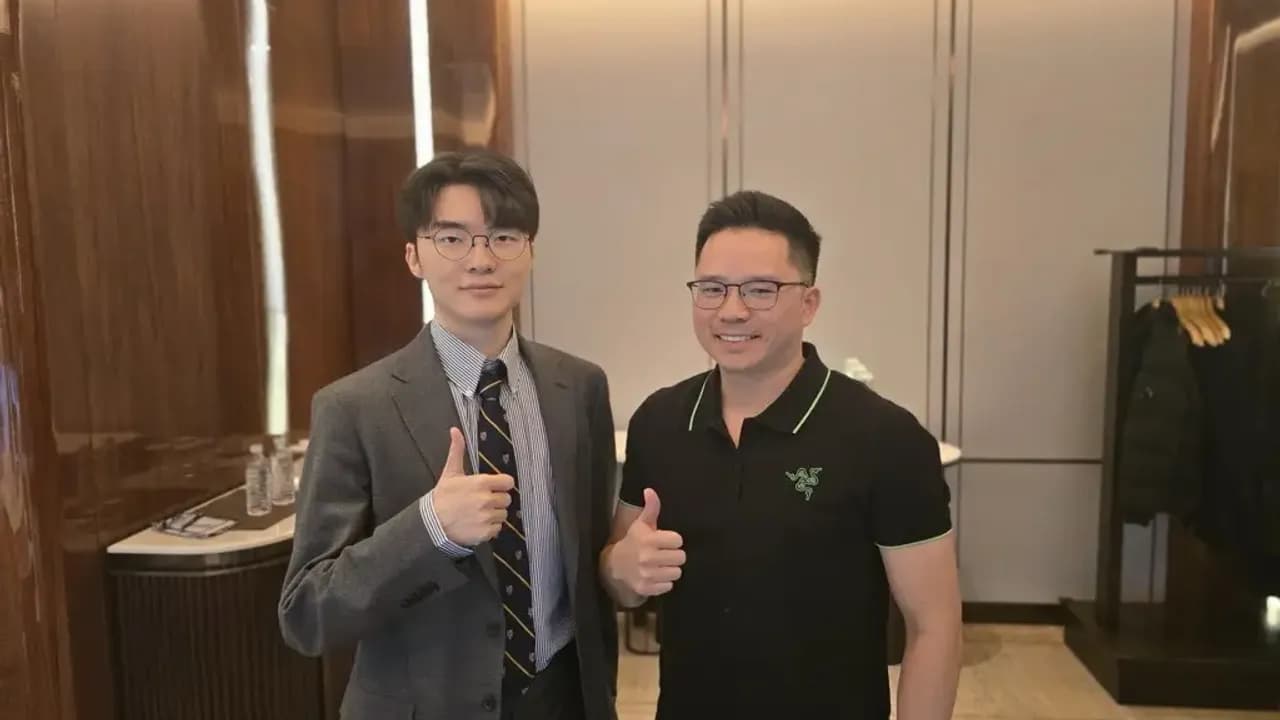
Imagen: Movistar eSports
It's not every day that an executive at a major hardware brand talks about a player with almost personal admiration. That's exactly what Razer's Jeffrey Chau has done in an interview reported by Movistar eSports, where he delivers a line that neatly sums up the weight of a legend: "I've never met anyone like Faker". According to Movistar eSports, the conversation also covers how Razer, the well-known peripherals and hardware company, moved into esports sponsorship almost naturally, driven by a simple idea: players needed the best tools to perform.
Why does this matter? Because there's more behind that statement than just praise. When a brand of this size ranks one player above everyone else it has ever met, it's acknowledging that in esports, value isn't created by products alone, but by the people who use them at the highest level. And that has direct consequences for anyone who competes or creates content: a player's credibility is now as valuable an asset as their trophy cabinet.
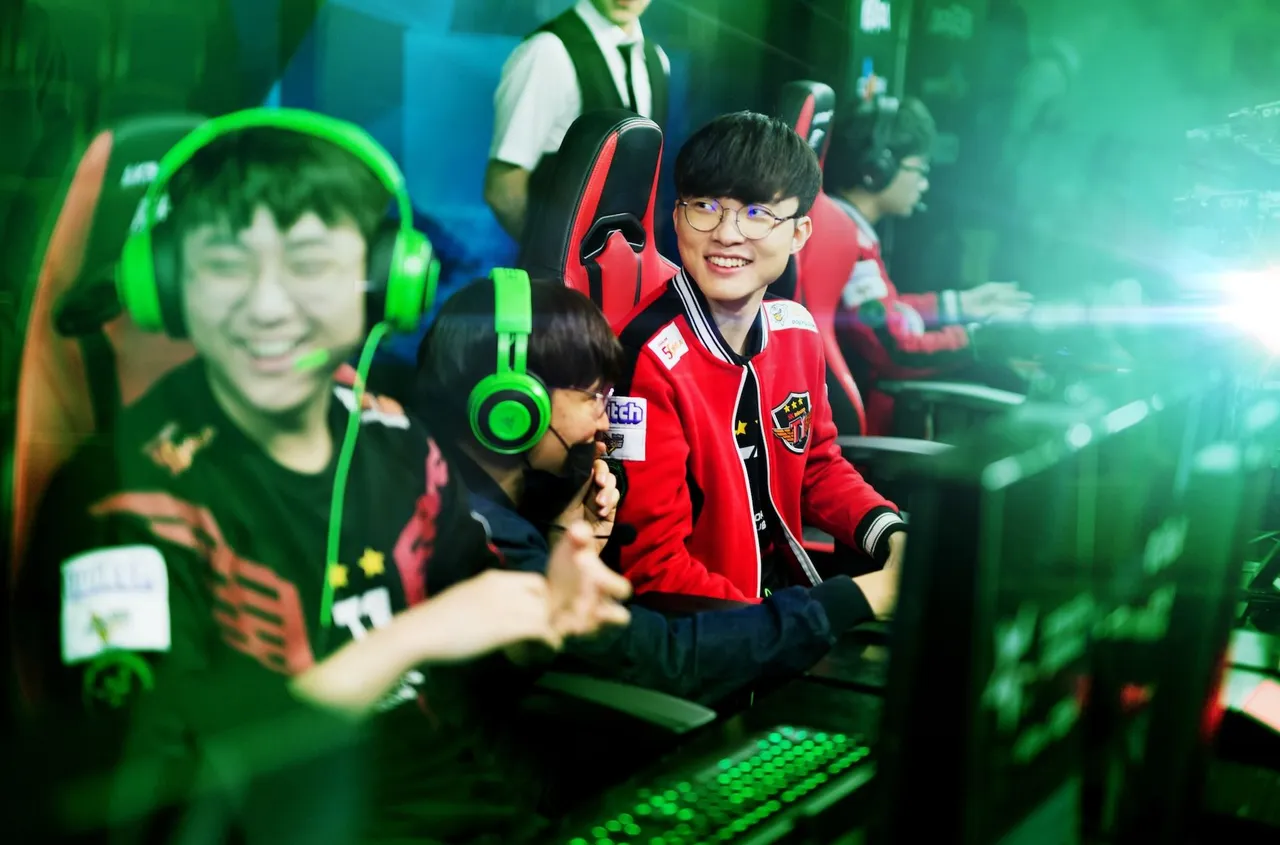
What you need to know
- In an interview reported by Movistar eSports, Razer's Jeffrey Chau says he has never met anyone like Faker.
- Razer moved into esports sponsorship almost naturally, according to the source.
- The starting logic was that players needed the best possible gear to perform across different competitions.
- The interview focuses on the relationship between hardware brands and elite competitive figures.
From tool to partner: how a brand gets into esports
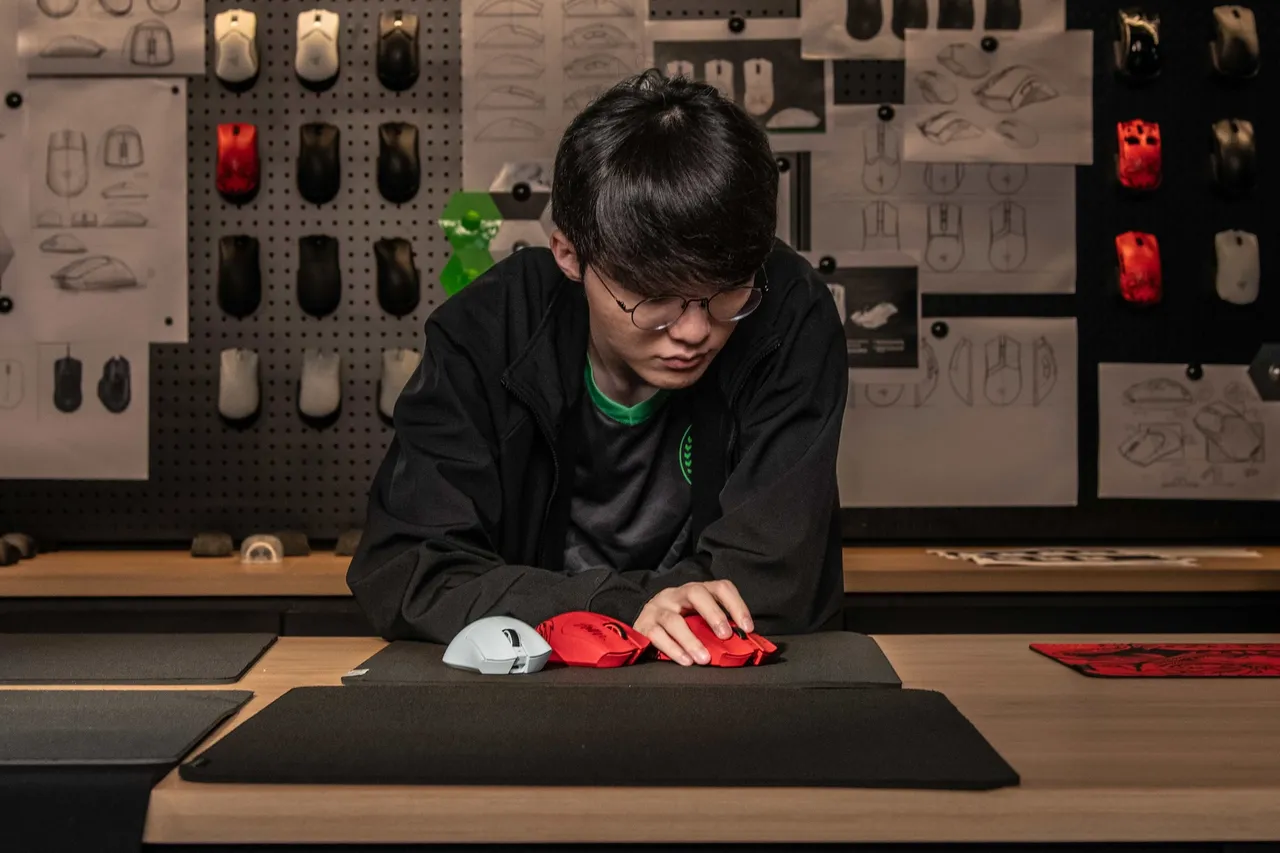
The story the source tells will be familiar to anyone who has followed the scene for years. Before esports filled arenas and drew huge audiences, the bond between peripheral makers and players was almost purely practical: competitors needed a precise mouse, a reliable keyboard and a comfortable headset to get through hours of practice. The brands that understood that need soon realised the perfect showcase wasn't an advert, but a pro performing live with their gear.
That shift from supplier to sponsor is exactly what Movistar eSports describes when it talks about an almost natural move into the space. It's not a marketing strategy imposed from the top, but a logical evolution: if your product is in the hands of the best players, your brand inherits some of that prestige. And when that person is someone of Faker's calibre, a historic figure in League of Legends, the partnership goes beyond the commercial.
Why Faker is in a league of his own
Chau's statement doesn't need numbers to make sense. Faker has become a symbol of longevity, discipline and professionalism in an ecosystem where careers tend to be short. When an executive at a global brand singles him out like this, it speaks to something beyond results: the way a player conducts themselves, works and represents those who back them. For a company, that's gold. For the rest of the scene, it's an incredibly high bar.
Our take
At the Underworld Lordz newsroom, we see it as an honest statement, but also a revealing one. Brands are talking more and more about people and less about technical specs, and that confirms what many players already suspected: performance gets your foot in the door, but what keeps you there is your image, your consistency and your relationship with the community. If you compete, climbing the ranks isn't enough; you need to build a solid reputation both in and out of the game.
That said, we also need to be critical. Holding up a superstar as the benchmark is inspiring, but it can distort expectations. Not all sponsorships work the same way, and the vast majority of players and content creators will never get the media spotlight Faker enjoys. We'd love to hear brands talk with the same enthusiasm about the up-and-coming scene, the teams developing talent and the creators who sustain entire communities without big contracts. That's where the future of the industry will be decided, especially in the Spanish-speaking world.
For creators, the lesson is clear: authenticity sells better than any discount code. A brand remembers the people who use its product with conviction and give something back to the community, not those who simply show it off on camera.
What do you think?
Brands fall at the feet of the big names, but the scene is built from the ground up. Do you think sponsors should invest more in emerging talent and community creators, or does it make sense for everything to revolve around the legends? Tell us where you stand in the team chat or on our Discord.
Your turn
What do you think?
Share your take in the team chat or on Discord. We feature the best opinions in the next article.
How did it land?
Community takes
…
Keep reading
Competitivo
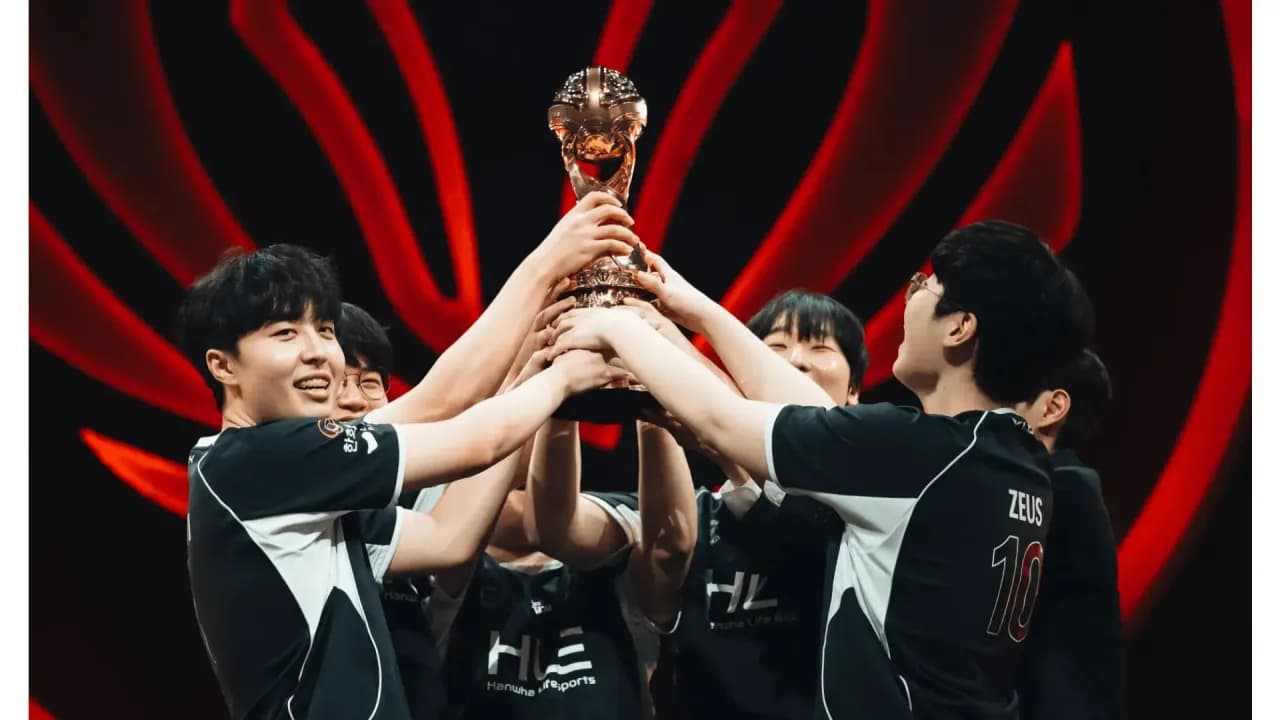
Hanwha Life arrive at Worlds 2026 ready to break the T1–Gen.G duopoly

Competitivo
Worlds 2026: Who's Who Among the Players Fighting for Glory
Competitivo
Brazil Cracks Down on Betting, Leaving Counter-Strike Without a Sponsorship Safety Net
Competitivo
Sony dresses its INZONE line in Fnatic colors: same hardware, new skin