
Rocket League Switches Engines: Unreal Engine 6 in 2027 with Pro Players as Advisors
By Redacción UWLG · Source: Gamereactor España
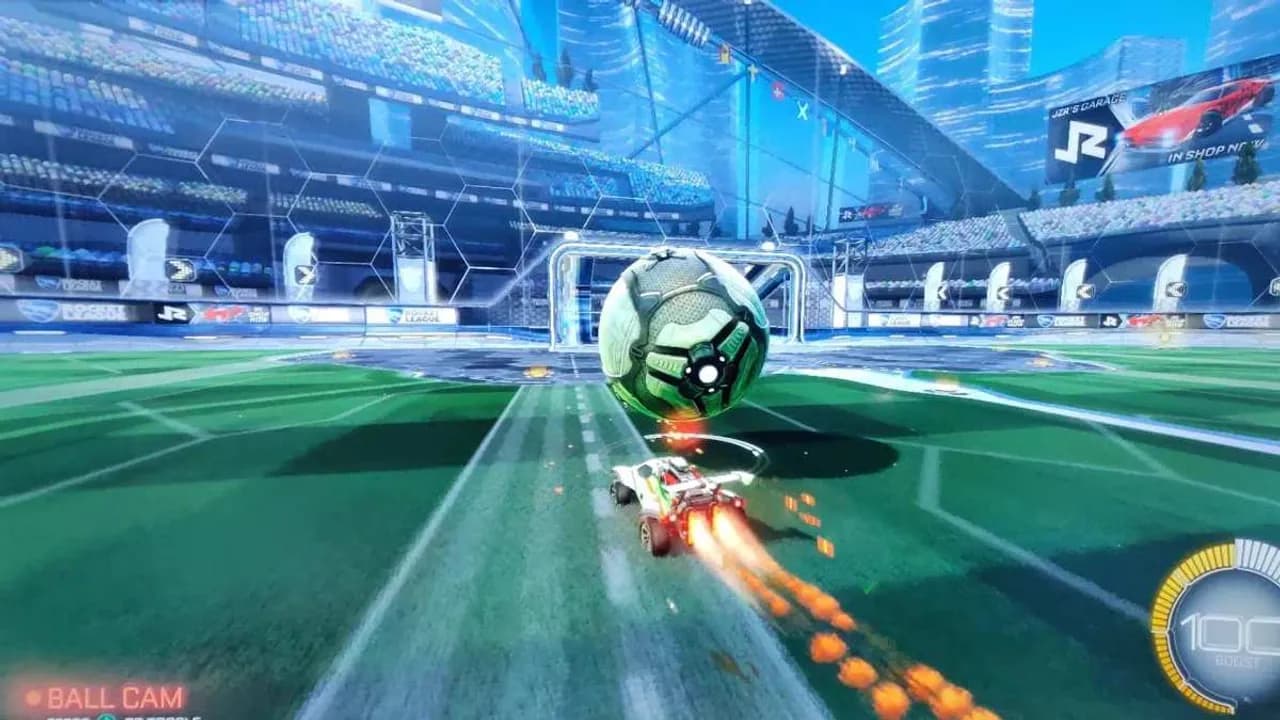
Imagen: Gamereactor España
Rocket League has a date for the biggest technical overhaul in its history: in 2027, Psyonix's game will leave behind Unreal Engine 3, the engine it launched on in 2015, and move to Unreal Engine 6. The announcement came live during the RLCS 2026 World Championship broadcast, alongside a video published on the Rocket League YouTube channel, as reported by Gamereactor Spain.
What matters isn't just the engine version number. Psyonix has confirmed that professional players and content creators are part of the project as advisors throughout the entire migration, and that several of them have already played the UE6 build at LAN events over the course of the current competitive season. For a game whose identity depends entirely on how the car feels, that changes the conversation completely.
What you need to know
- Engine jump: from Unreal Engine 3 to Unreal Engine 6, the game's first major technical overhaul in more than a decade.
- Date: 2027. WavePunk confirmed it live during the RLCS 2026 World Championship, according to Sheep Esports' coverage published on September 20, 2026.
- A more specific window: Sheep Esports, citing its own sources, says the full migration would arrive in spring 2027.
- The pros are in: Alexis "zen" Bernier, Archie "Archie" Pickthall and Victor "Ferra" Francal appear in the video and confirm that in-person testing has been done on the UE6 build.
- Creators too: Psyonix has included content creators in the advisory group for the process.
A 2015 engine holding up a 2026 esport
Rocket League is a rare case in the industry: a top-tier competitive game still running on a technical foundation that's more than ten years old. Unreal Engine 3 has endured season after season, a change of ownership, the move to free-to-play and a global pro scene, but it's increasingly clear that the engine limits what Psyonix can do in terms of performance, tools and new content.
What makes this announcement special is the method. Instead of announcing the change and crossing their fingers, the studio has brought the pros themselves into the room. The fact that zen, Archie or Ferra have played on UE6 at LAN means that differences in physics, car response and overall feel are being evaluated against the most demanding standard there is: that of people who make a living from it.
| Stage | Engine | Year |
|---|---|---|
| Original launch | Unreal Engine 3 | 2015 |
| Announced migration | Unreal Engine 6 | 2027 (spring, according to Sheep Esports' sources) |
Who it affects and what's at stake
For ranked players, it hits at the most basic level: if the car feels different, even slightly, years of muscle memory are called into question. For teams and the RLCS, it affects the calendar, because a migration in spring 2027 lands right in the middle of the competitive cycle and forces a careful decision on when the competitive client switches over. And for creators, it affects their workflow: captures, replays, cameras and editing tools could change overnight.
For now, there are no public details on what specific improvements UE6 will bring or how the transition will be handled for players on modest setups. That's what the community will want to know in the coming months.
Our take
At Underworld Lordz we've spent years asking studios to listen to competitive players before touching the core of a game, so we think Psyonix has made the right call. Bringing in players of zen's or Archie's caliber, along with creators, from the very start is the difference between a migration that respects the game and one that breaks it in the name of progress. If the car still feels like Rocket League, the engine change will be a win; if not, it won't matter how good it looks.
That said, having pros in the process guarantees nothing. A small group of advisors doesn't represent the huge variety of setups, pings and hardware the community plays on, and LAN testing is the most controlled scenario possible. The real test will be mass online play, and that's where Psyonix will need to be transparent with the data and quick with patches. The timing also worries us: a spring 2027 migration in the middle of the season means the RLCS needs to define right now which version each event will be played on.
For content creators, this is a massive opportunity. Every change in feel, every UE3 vs. UE6 comparison and every new mechanical trick is going to drive conversation for months. Anyone who starts preparing now to document the transition will have guaranteed content throughout 2027.
What do you think?
Rocket League is about to change on the inside for the first time in its history, and the community has plenty to say. Tell us in the team chat or on our Discord: do you trust Psyonix to preserve the game's feel with Unreal Engine 6, or do you think an engine change always ends up altering players' muscle memory?
Your turn
What do you think?
Share your take in the team chat or on Discord. We feature the best opinions in the next article.
How did it land?
Community takes
…