

Rocket Raccoon in Marvel Rivals: the guide every Strategist should read
By Redacción UWLG · Source: Charlie INTEL
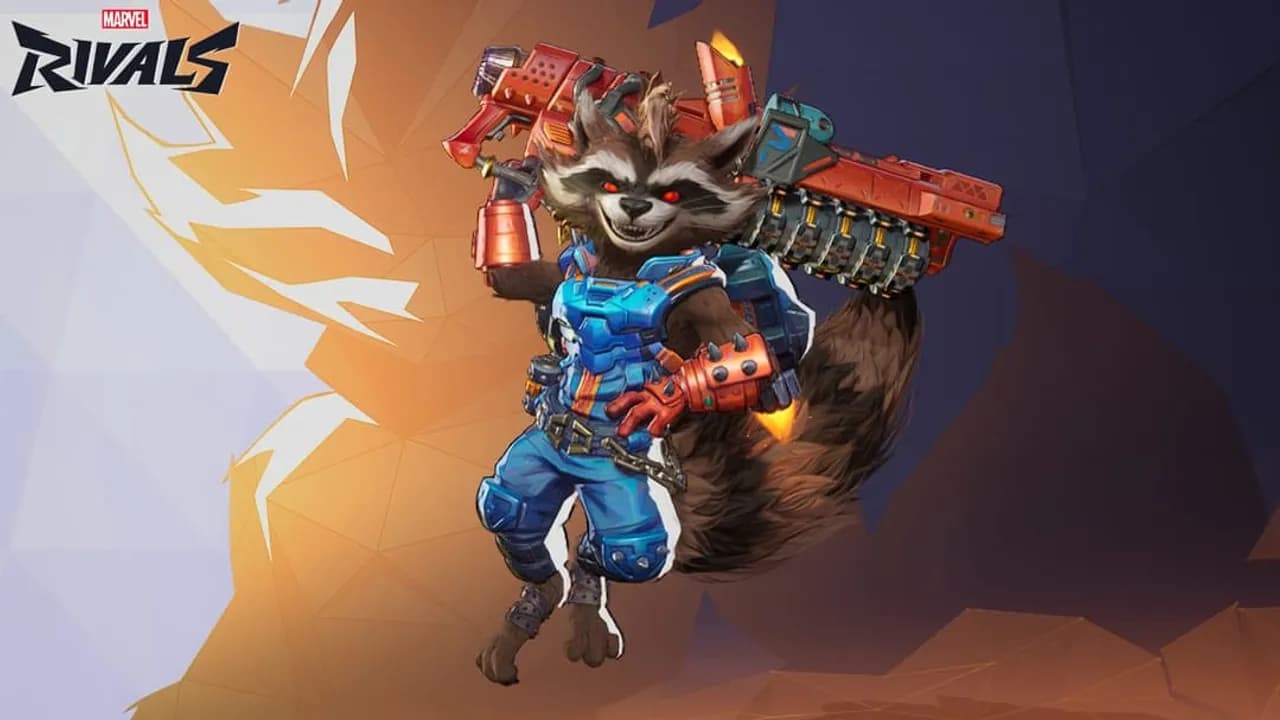
Imagen: Charlie INTEL
Charlie INTEL has published a guide dedicated to Rocket Raccoon, one of the Strategist-class characters in Marvel Rivals. The piece covers his abilities, his ultimate and a set of tips for getting the most out of him, with the aim that any player, from a complete newcomer to someone already competing in ranked, can understand what this raccoon brings to the team and how to play him properly.
It's no coincidence that a specialist outlet devoted a full article to a support. In a hero shooter where most of the community wants to make clips with Duelists, Strategists are usually the role missing from the queue and the one that decides the most matches. For us at Underworld Lordz, any material that pushes people to play and understand support is welcome, and Rocket is a good entry point for talking about it.
What you need to know
- Rocket Raccoon belongs to the Strategist class, the support and healing role in Marvel Rivals.
- Charlie INTEL's guide goes through his full kit: basic abilities, ultimate and usage tips.
- It's aimed both at those who have never touched him and at those who want to polish their play with him.
- The source doesn't publish damage, healing or cooldown numbers, so you won't find made-up figures here.
- The focus is on the how: positioning, priorities and reading the fight from the back line.
What playing Strategist in Marvel Rivals means
In Marvel Rivals, heroes are split into three roles: Vanguard, Duelist and Strategist. Strategists are the ones who keep the team alive, and that phrase, obvious as it sounds, hides most of the invisible work in a match. A good support doesn't just heal: they decide who to heal first, when to fall back, when to spend the ultimate to stop an enemy push and when to hold it because the enemy hasn't burned theirs yet.
Rocket fits that philosophy with a personality of his own. He's a small, agile character with an approach that leans more toward battlefield management than raw healing. Charlie INTEL's guide stresses exactly that: knowing his kit isn't enough if you don't learn to read the match from the second line. The tips it collects point toward staying alive, keeping an eye on your Vanguards and using your tools at the right moment, not the second they come off cooldown.
Who this guide is for
There are three types of player who should pay attention. The first is the player who always picks Duelist and complains when the team has no support: learning a Strategist makes you better even when you're not playing one, because you understand what your teammates need from you. The second is the player who already plays support but has stalled on one or two heroes and needs to widen their pool to avoid being predictable in ranked. The third is the content creator who wants to offer something different from the umpteenth elimination montage.
For organized squads, like the ones we have on the team, the value is even clearer: having a well-prepared secondary Strategist lets you adapt the composition without depending on a single player. On top of that, Rocket is a character with room for expressive play, which makes him interesting in the competitive meta and on stream at the same time.
Our take
We're glad supports are being talked about, but we're not going to pretend a guide solves the underlying problem. The Marvel Rivals community, like that of almost every hero shooter, punishes the Strategist with two lines: "heal more" when the team loses and silence when it wins. Until the role gets real recognition inside and outside the game, there will keep being an endless queue for Duelist and matches broken by a lack of support. Guides like Charlie INTEL's help, but the change in mindset has to come from the players themselves.
For those who compete, our advice is straightforward: if you want to climb the ranks, learn at least two Strategists solidly, and Rocket is an excellent option to start with because he forces you to keep moving, to survive without giant shields and to think about the team before your kill feed. That learning carries over to any other character you play afterward.
And for creators, an honest note: support content gets fewer immediate clicks than a quadruple-ultimate clip, but it builds loyalty with a different kind of audience, the one that genuinely wants to improve. At Underworld Lordz we'd rather build a community with players who understand the game than with highlight viewers. A well-played Rocket, explained calmly, can teach more than twenty montages.
What do you think?
We want to know how you see it: do you consider yourself a support player by vocation, or do you only pick Strategist when nobody else will? Tell us in the team chat or on our Discord which support hero you've mastered and whether Rocket Raccoon has a place in your rotation. Does support deserve the respect the community still denies it?
Your turn
What do you think?
Share your take in the team chat or on Discord. We feature the best opinions in the next article.
How did it land?
Community takes
…