

Steam Frame could get full body tracking without Valve lifting a finger
By Redacción UWLG · Source: PC Gamer
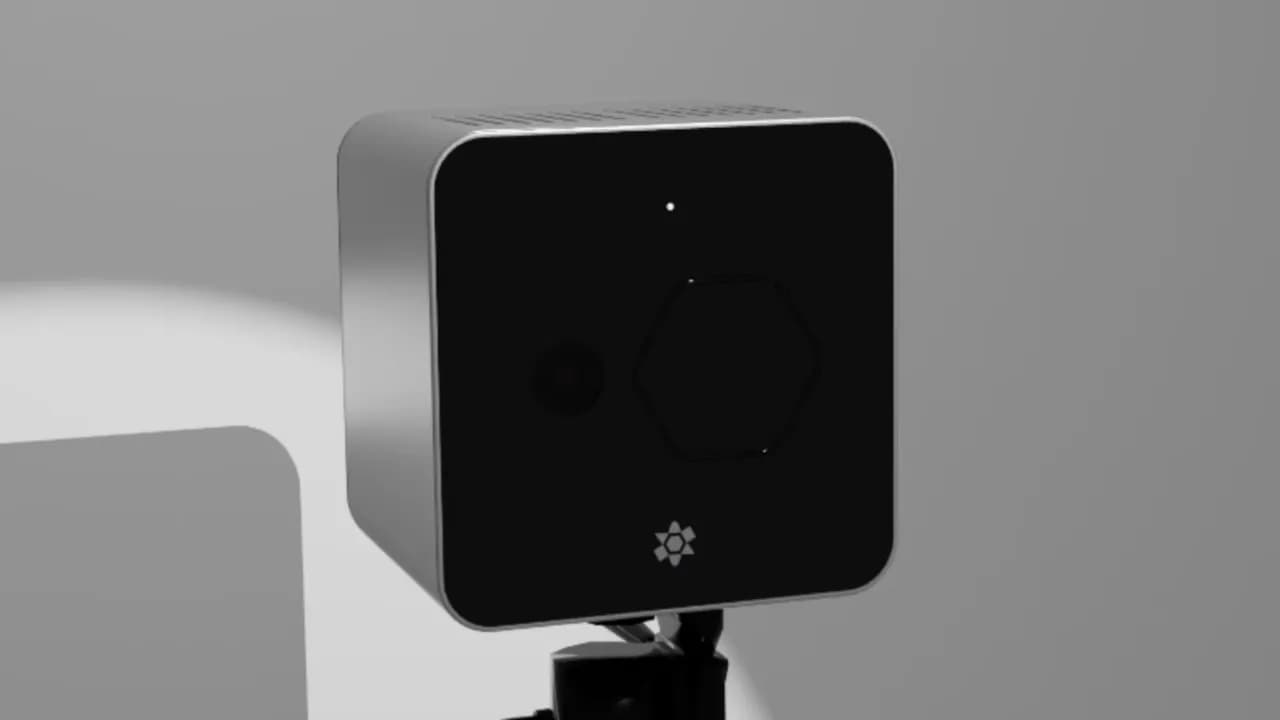
Imagen: PC Gamer
Full body tracking, that holy grail of virtual reality that lets your legs, hips and torso move in-game just as they do in real life, could arrive on Steam Frame through a door Valve never opened. As reported by PC Gamer, the company Soulart has confirmed it is working to make its standalone motion tracker compatible with Valve's new headset. The important detail is that the device works on its own, with no need for the headset itself to support it natively.
The news matters because it touches one of the historical weak points of standalone VR: tracking the full body has almost always meant setups with base stations, cables and a fair amount of patience. If an external accessory can solve that problem without asking the headset manufacturer for permission, the landscape changes for players, for people who create content in VRChat and similar platforms and, by extension, for how competitive Steam Frame is against other platforms.

What you need to know
- Soulart says it is working on Steam Frame support for its standalone motion tracker.
- PC Gamer describes it as a device similar to a Base Station, but supercharged, meaning it has more capabilities than the classic stations.
- The technical key: it does not require the headset to have support for body tracking, since the system is self-contained.
- For now this is a statement of intent, not a product with a release date or launch details for Steam Frame.
- The underlying information comes from the PC Gamer article linked in the source.
What changes compared to what came before
To understand the scope, it helps to remember how full body tracking has been done until now. The usual approach in the SteamVR ecosystem has been to place base stations in the corners of the room and strap trackers to your feet and waist. It works very well, but it depends on the headset and software knowing how to talk to those stations, and that leaves many standalone headsets out or forces them into clunky halfway solutions.
What Soulart proposes, according to PC Gamer, is a different approach: a system that captures body movement on its own and then feeds it to the game without the headset having to take part in the tracking process. Put another way, the headset handles your head and hands, and Soulart's tracker handles the rest. That independence is what makes it possible to target Steam Frame even though Valve did not design the headset with full body tracking in mind.
Who it affects
It affects first those who already live in the social side of VR, where moving your legs and hips is not a luxury but part of the experience. It also affects creators who record or stream in VR and need their avatar to look natural. And, although it may seem distant, it affects the competitive scene: any advance that reduces the friction of setting up a VR rig brings that hardware closer to tournaments and events with a live audience.
Our take
At Underworld Lordz we like the news, but we read it with caution. A third-party manufacturer saying it is working on something is not the same as having the product up and running in our training room. VR is full of promised accessories that arrived late, arrived broken or never arrived at all. Until we see real latency figures, accuracy and a price, the right reaction is interest, not runaway enthusiasm.
That said, we think the philosophy behind the approach is the right one. Body tracking not depending on the headset manufacturer is good news for users, because it breaks the dependence on a single company and lets the community choose. For content creators it is especially attractive: if the system is truly independent, it could be used with more than one headset without redoing the whole setup every time you switch hardware.
What does concern us is Valve's role. Steam Frame is a new product and the company has room to integrate this kind of solution better or to ignore it. If the only way to get full body tracking on its headset is through third parties working on their own, the message to the competitive community is that body tracking remains an afterthought and not a platform priority. We would love to be proven wrong.
What do you think?
Do you think full body tracking is essential for a headset like Steam Frame to make sense for playing and creating content, or is it an extra that only interests a few? Let us know in the team chat or on our Discord: would you trust an external tracker or wait for Valve to integrate it officially?
Your turn
What do you think?
Share your take in the team chat or on Discord. We feature the best opinions in the next article.
How did it land?
Community takes
…