

TFT goes solo: Riot launches a standalone PC client away from League of Legends
By Redacción UWLG · Source: Movistar eSports
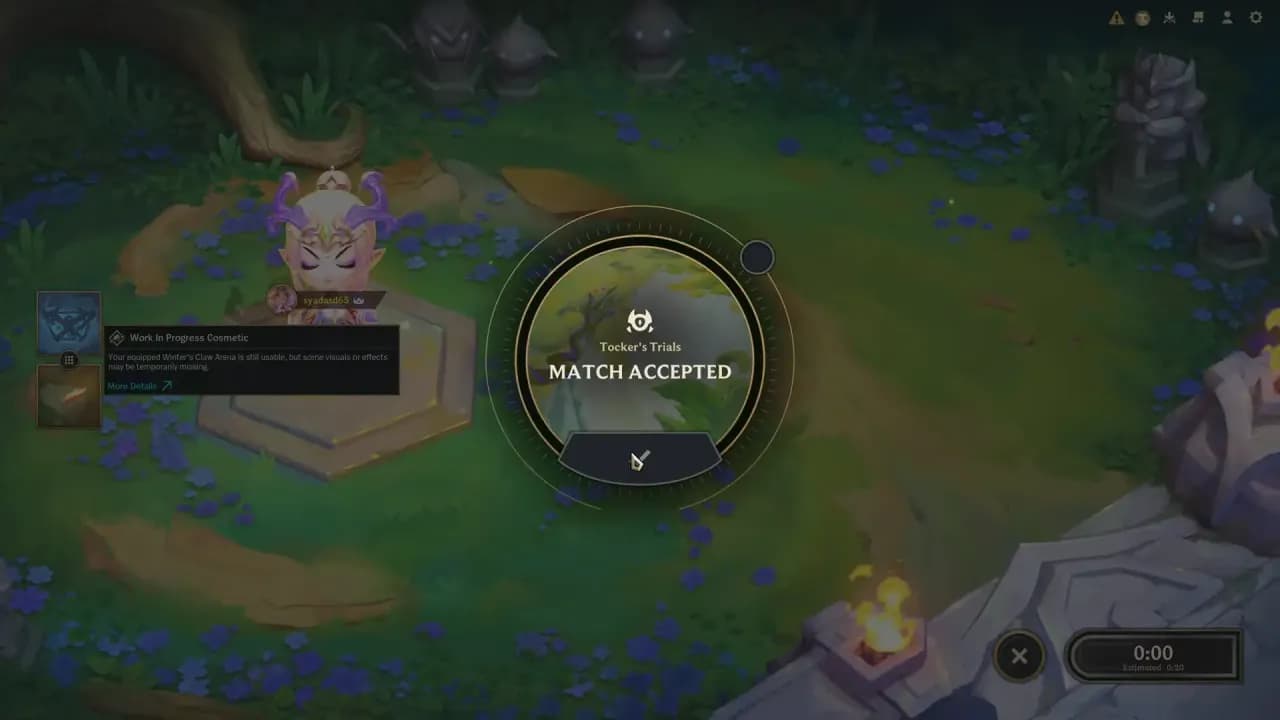
Imagen: Movistar eSports
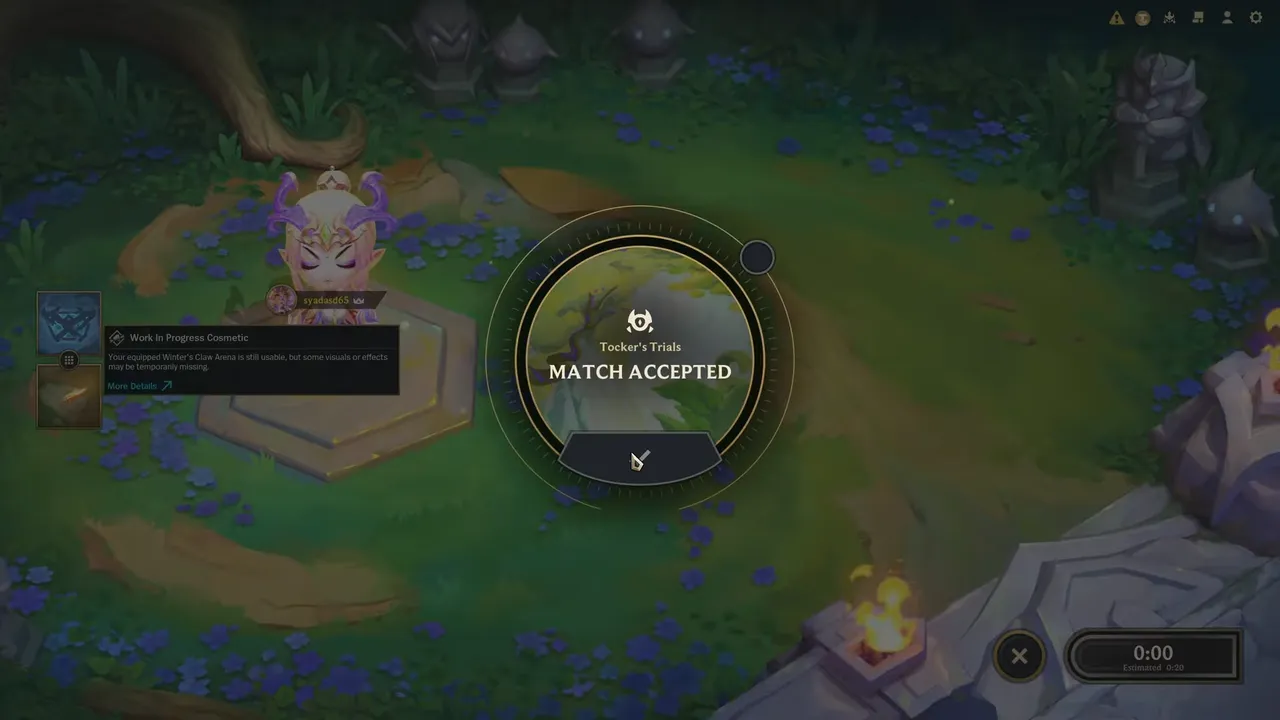
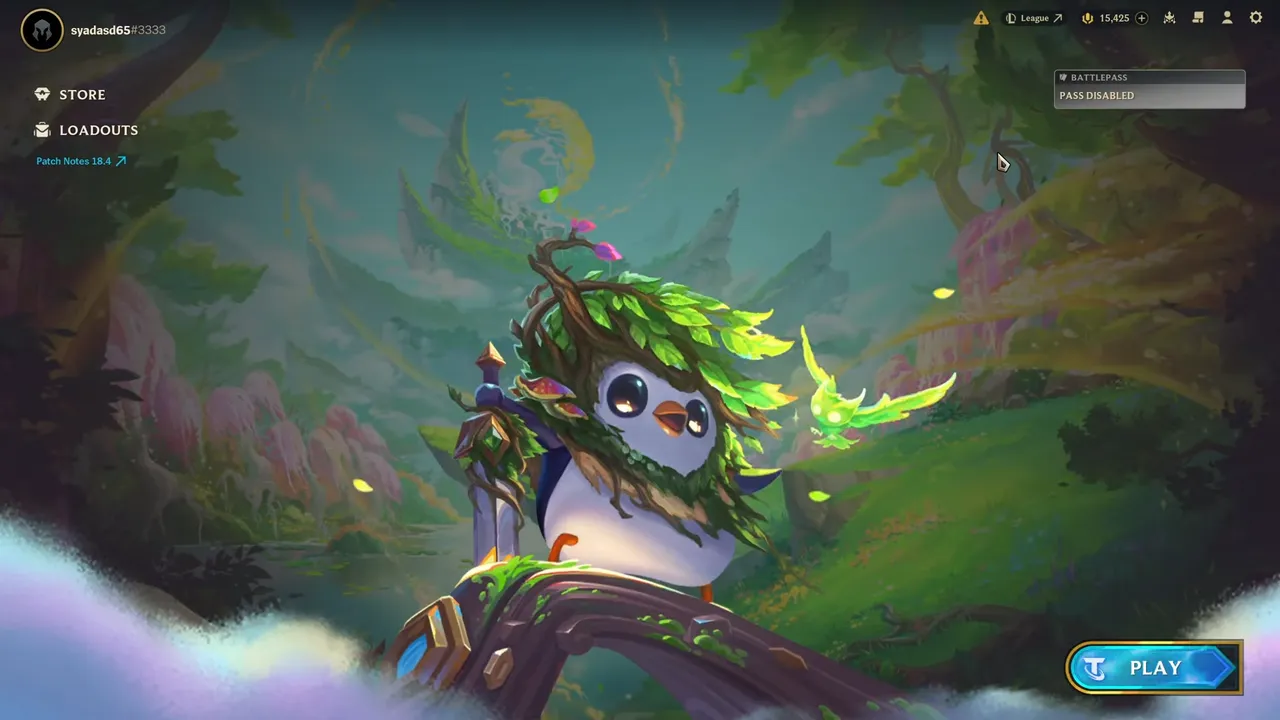
Teamfight Tactics is taking the step many of us have been asking for for a long time: according to Movistar eSports, Riot Games has unveiled the new TFT client on PC, a dedicated, standalone launcher that separates the autobattler from the League of Legends client. The news had been known for a few months, when the studio announced what the outlet itself describes as the most important change in the game's history, and now we can finally see what that complete overhaul looks like.
Why does it matter? Because until now, playing TFT on a computer meant going through the same client used by millions of LoL players, with its menus, its queues and its inherited problems. Riot deciding to give TFT its own home is a clear sign that the game is no longer the MOBA's little sibling, but a product with its own identity, community and competitive scene.
What you need to know
- TFT no longer depends on the League of Legends client on PC and now has its own standalone client.
- Riot describes it as a complete overhaul, not just a fresh coat of paint on the previous launcher.
- The change was announced a few months ago and the final result is now being shown, as reported by Movistar eSports.
- The core information in this article comes from Movistar eSports; in that piece, Riot did not provide player numbers or dates beyond what was already stated.
What actually changes for PC players
For years, TFT has been just another tab inside the LoL client. That had obvious advantages for Riot: one installer, one account, one store. But it also dragged along all the flaws of the League client, which the community knows all too well: loading times, windows that freeze at the end of a match, heavy updates that forced you to download content for a game you might not even play.
With a standalone client, TFT can move at its own pace. The autobattler's patches no longer have to be tied to LoL's schedule, the interface can be designed solely around what a TFT player needs (synergies, augments, match history, cosmetics) and, above all, the size of the installation stops being a problem for anyone who only wants to play the autobattler.
Who it affects
Every TFT player on PC. Those who already played on mobile were familiar with the experience of having the game on its own; now PC is on the same footing. It also affects content creators, who have long been dealing with a client that was never designed for comfortable live streaming.
Background: a game that earned its own space
TFT was born as a mode within League of Legends, and many thought it would be a passing fad. Each new set, with its mechanics and themes, has steadily built up a stable player base and a competitive scene with regional and world tournaments. Riot investing in a dedicated client confirms that this growth was no accident and that the studio wants to treat TFT as a top-tier title rather than an add-on.
It is also a move consistent with what Riot already did with Valorant, Wild Rift and Legends of Runeterra: each game with its own identity and its own entry point, sharing an account but not the shell. TFT was the exception, and that exception is coming to an end.

Our take
Here at the Underworld Lordz newsroom, we're clear on this: the split is late, but it's here. For the competitive player, a lightweight, focused client is a direct advantage: less time wasted between matches, less risk of a launcher crash costing you a queue mid-climb, and a cleaner environment for reviewing your stats. Anyone who has tried to chain several ranked games in the old client knows how frustrating it could get.
For content creators, the benefit is even greater. A standalone client means a cleaner on-screen interface, fewer LoL elements that add nothing for the viewer and, presumably, more stable performance while live. If Riot uses it to integrate better tracking and spectator tools, TFT could become a far more pleasant game to broadcast and to watch.
That said, we're not handing out free applause. Riot has a complicated track record with its PC clients, and LoL's is the perfect example of overhaul promises that took years to deliver. The new TFT client being a complete overhaul sounds great on paper, but what matters to us is how it behaves day to day: stability, loading times and not introducing new bugs where there were none before. We'll reserve judgement until we get our hands on it.
What do you think?
We're going to put it through its paces as soon as we can and let you know how it holds up. In the meantime, we want to hear where you stand: do you think a standalone client will genuinely improve TFT's competitive experience, or is it just a change of facade? Tell us in the team chat or on our Discord.
Your turn
What do you think?
Share your take in the team chat or on Discord. We feature the best opinions in the next article.
How did it land?
Community takes
…