

Thor in Marvel Rivals: Why the God of Thunder Is the Tank Pick No One Should Ignore
By Redacción UWLG · Source: Charlie INTEL
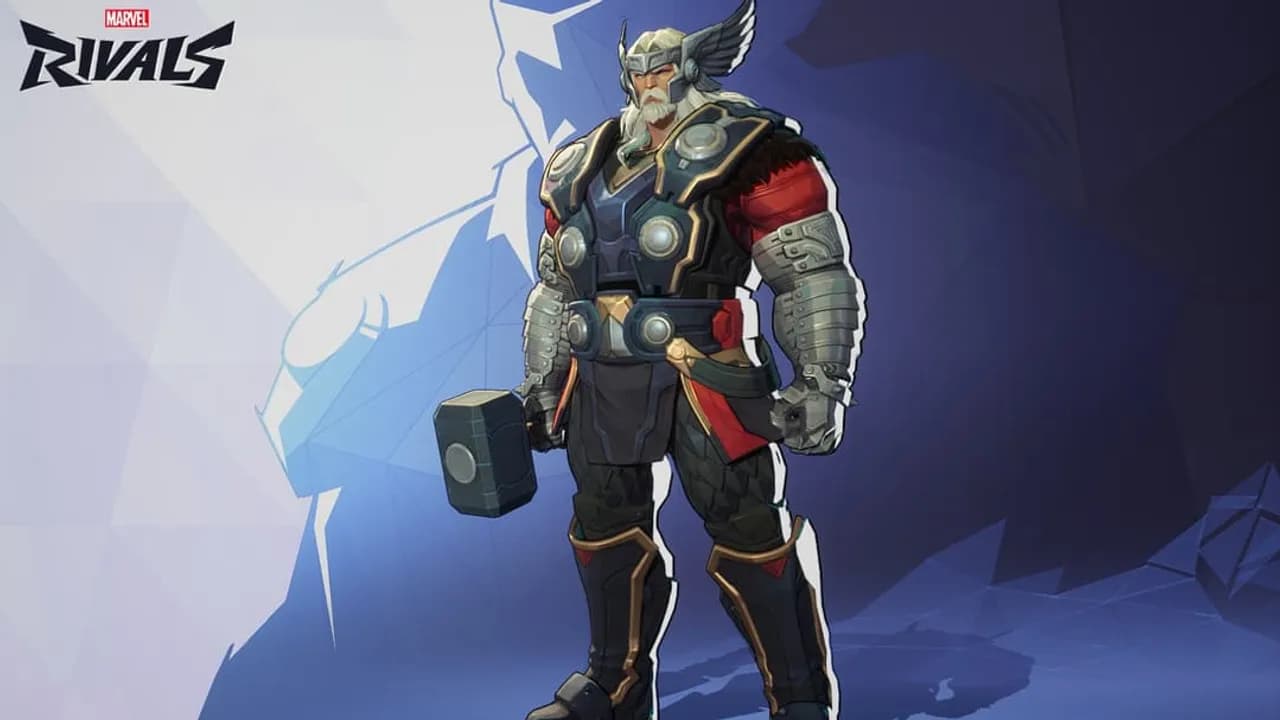
Imagen: Charlie INTEL
Charlie INTEL has published a guide dedicated to Thor in Marvel Rivals, NetEase's hero shooter that keeps expanding its roster and fine-tuning its competitive meta. The piece compiles the character's abilities, his ultimate and a series of tips for getting the most out of him, with the stated goal of helping players master the God of Thunder from their very first match.
The news matters because Thor belongs to the Vanguard category, the frontline role that opens the way, absorbs pressure and sets the pace of every engagement. In a game where team composition weighs as much as aim, understanding a tank in depth is not a luxury: it is the difference between a squad that controls the map and one that spends the whole match chasing objectives. For a community like ours, with active teams on both sides of the Atlantic, any material that raises the professional level of that role is welcome.
What You Need to Know
- Charlie INTEL has published a complete guide to Thor in Marvel Rivals, covering his abilities, his ultimate and tips on how to use him.
- Thor is a Vanguard, meaning he is part of the game's tank line rather than the damage or support roles.
- The character has several abilities that combine frontline pressure with the ability to break the enemy formation.
- The guide is aimed both at those just starting out and at those looking to polish their play with the hero.
- The base information in this article comes from Charlie INTEL; the analysis and opinion are from the Underworld Lordz editorial team.
What It Means to Play Vanguard as Thor
In Marvel Rivals, the Vanguard is not simply the one who soaks up hits. It is the player who decides when to push onto a point, who blocks enemy sightlines and who forces the opponent to burn resources early. Thor fits that philosophy through his very identity: a character designed to be on the front line, not behind it. According to Charlie INTEL, his kit relies on several active abilities and an ultimate that marks the moment of greatest impact in every round.
What makes a hero like this interesting is that he demands coordination. A tank who pushes forward without his team behind him becomes a liability; a tank who pushes with two DPS and a support glued to him is a steamroller. That is why guides like this, beyond listing buttons, help establish a clear idea: the Vanguard is the team's metronome, and his rhythm must be understood from the start.
Who This Guide Is For
Three very specific profiles. First, the player who wants to climb the ranks and needs a reliable tank in their repertoire, because there will always be matches where no one else wants to fill that slot. Second, the squad captain who needs their Vanguard to understand the timing of the ultimate and not waste it in a skirmish with no objective. And third, the content creator looking for educational material for their community, because hero tutorials remain one of the most in-demand formats in any team shooter.
Context: The Tank as a Key Piece of the Meta
Hero games share a historical constant: the tank role tends to be the least popular in matchmaking queues and, at the same time, the one that most determines the outcome. Marvel Rivals is no exception. Thor being a Vanguard places him at the heart of that paradox, and explains why outlets like Charlie INTEL devote a full piece to explaining how to play him well.
The guide does not provide numbers or balance changes, and we are not going to invent them. What it does make clear is that mastering Thor means understanding his abilities as a whole rather than as isolated hits, and that the ultimate is the turning point that must be set up with the rest of the team. That reading, simple as it seems, is what separates the player who merely fills the tank slot from the one who turns it into a competitive advantage.
Our Take
At the Underworld Lordz editorial desk, we welcome seeing a Vanguard take center stage. We are tired of the media spotlight always landing on the DPS who pulls off the spectacular clip while the tank, who held the line for the entire round, does not even make the replay. If we want our squads to compete seriously, we need more players who see Thor and company as strategic pieces rather than a necessary evil.
That said, we also need to be critical: an ability guide is the starting point, not the finish line. No tutorial replaces hours of scrims, match analysis and voice communication. The risk with pieces like this is that players read them, feel ready and jump into ranked without having practiced the timings with their team. We recommend using them as a map, not a shortcut.
For the team's content creators, there is a clear opportunity here. Material on tanks is scarce in Spanish, and the demand is there. A video or a stream explaining how to play Thor in coordination with supports and DPS, using real squad matches, is far more valuable to our community than yet another compilation of random highlights. And along the way, it helps make sure the Vanguard queue stops being the role nobody wants.
What Do You Think?
We know there are people on the team who would swear by Thor as their main tank and others who prefer different Vanguard options. We want to hear from you in the team chat and on our Discord: is Thor the Vanguard who brings the most to your competitive play, or do you think there are better alternatives for holding your squad together?
Your turn
What do you think?
Share your take in the team chat or on Discord. We feature the best opinions in the next article.
How did it land?
Community takes
…