
Three Lenses and AI to Watch Your Front Door: Esports-Style Broadcast Direction Moves Home
By Redacción UWLG · Source: Eurogamer España
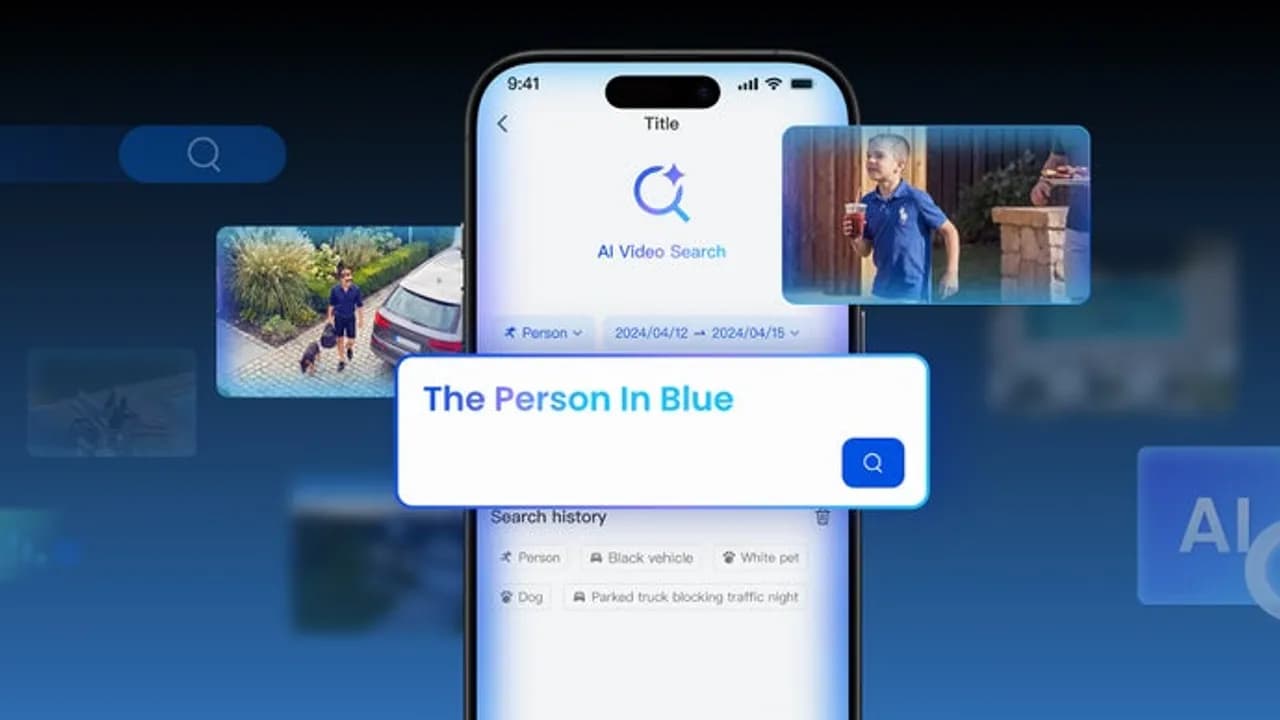
Imagen: Eurogamer España
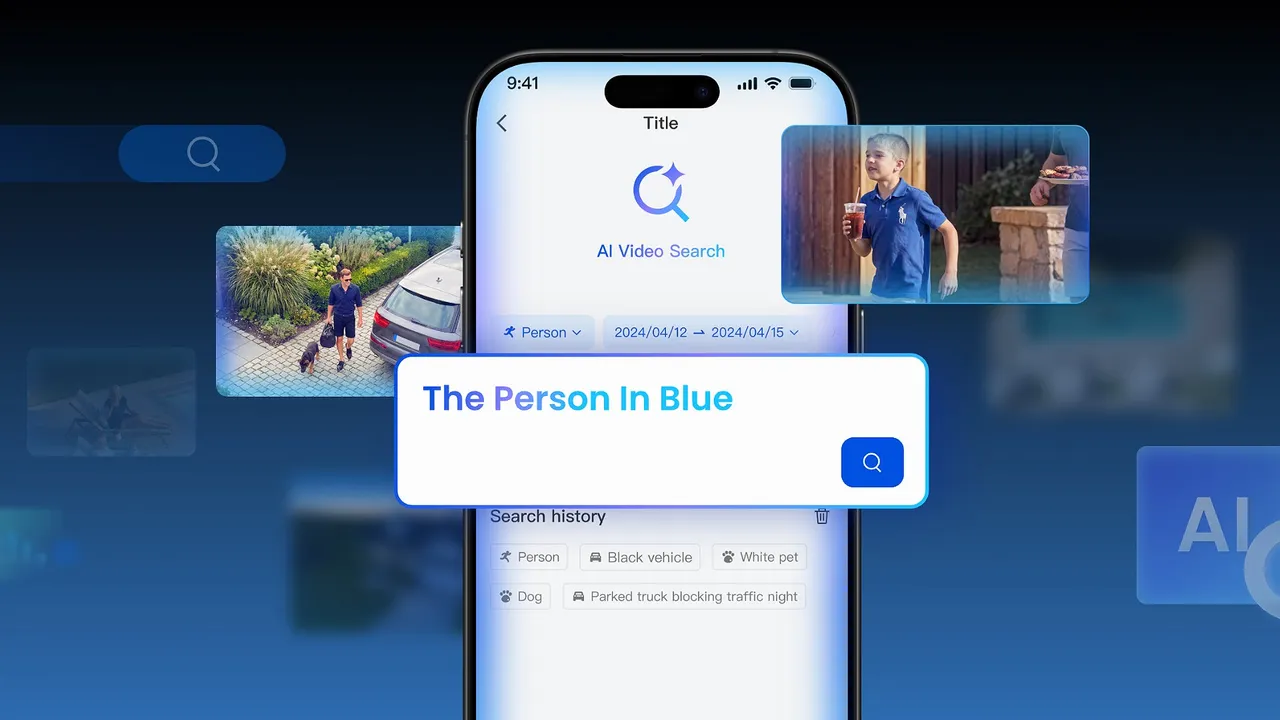
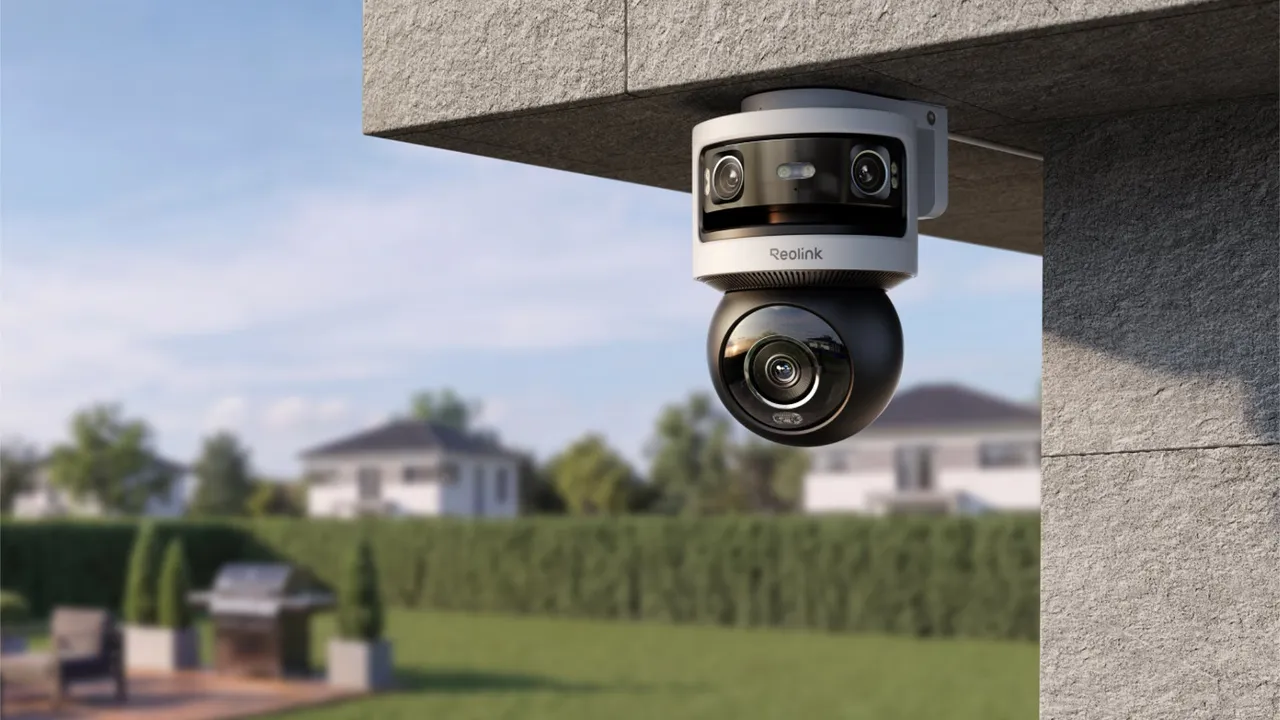
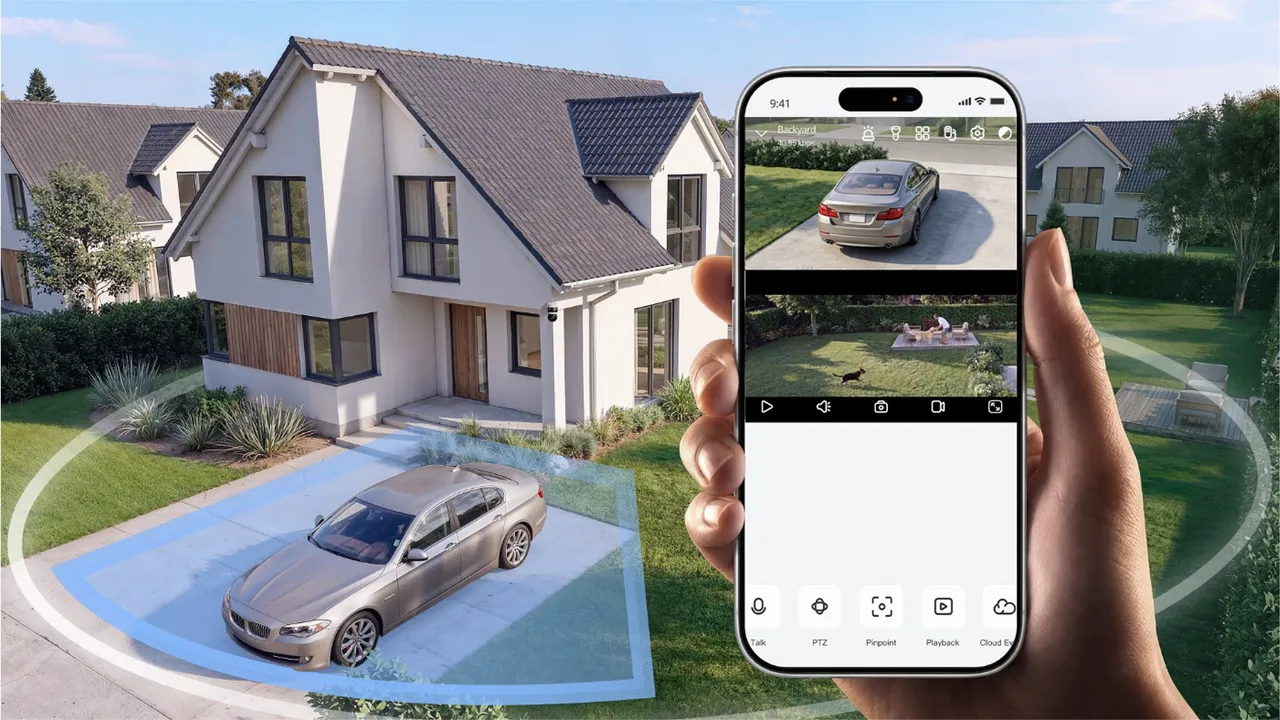
As reported by Eurogamer España, the Reolink OMVI 3i PoE is a security camera that brings three lenses together in a single body and divides the job between them. That way, you don't have to choose between a wide shot and a close-up. The outlet compares it directly to the broadcast direction of an esports tournament: one camera holds the overall view of the match while another follows the player at the center of the action. In this case, that same logic is applied to your front door or your garden, with artificial intelligence in the mix.
Why should this matter to a competitive community like ours? Because the comparison says a lot about where esports stand in visual culture today. The multi-camera direction of our broadcasts has become the benchmark used to explain home technology. And also because it leaves an uncomfortable question hanging: if a device designed to watch a door can coordinate several shots automatically, what excuse is left for small productions that still rely on a single static shot?
What You Need to Know
- The Reolink OMVI 3i PoE integrates three lenses into a single body.
- The lenses split the work: one can cover the wide shot while another tracks a point of interest.
- The device relies on artificial intelligence to manage those shots.
- It's designed for the outside of your home, such as the entrance or the garden, not for video production.
- The source frames it with an esports analogy, but doesn't give details on price, resolution or availability.
What the Camera Offers and What Remains Unclear
The core idea is simple and, at the same time, powerful: instead of a single lens that forces you to sacrifice either context or detail, the device combines several simultaneous perspectives. The PoE in its name points to power over an Ethernet cable, which is common in video surveillance setups that are more serious than battery-powered Wi-Fi cameras. What's missing from the original report are the figures any buyer would want to compare. We don't know how much it costs, what resolution each lens offers or how reliable its AI is in real-world conditions. That's why we won't speculate: until there's independent testing, all we can assess is the concept.
Esports Broadcast Direction as the Yardstick
Anyone who has watched a major final knows that the broadcast is a small ecosystem of its own. There are in-game observers, cameras pointed at the players, crowd shots and a production team deciding in real time what viewers get to see. That choreography is what Eurogamer España uses to explain the product, and it works as an image: the wide shot provides context and the tracking shot provides excitement.
The difference, of course, lies in who makes the decisions. At a tournament, a person chooses when to cut, when to roll a replay and when to stay on a player's reaction after a clutch. With the Reolink camera, the system hands that choice over to its AI, with a far more modest goal: never losing sight of what's happening in front of your door.
Our Take
Let's be blunt: the headline claiming your garden will have better broadcast direction than an esports tournament is more hook than reality. Directing isn't just about having several cameras switched on; it's about telling a story. It means understanding the pace of a match, anticipating a play and knowing that a shot of a player's face after losing a decisive round is worth more than any overhead view. No security camera does that, and none claims to. Even so, the fact that esports were chosen as the example to sell consumer tech strikes us as a good sign of the cultural weight the scene has gained.
That said, the concept is genuinely interesting for content creators and smaller organizers. AI-driven shot automation is no longer reserved for big-budget productions, and that opens the door to community tournaments, local LANs or IRL streams with more dynamic direction without needing a technical crew behind them. If the technology matures, the minimum quality bar for an amateur broadcast is going to rise, and anyone still using a single static camera will stand out for the wrong reasons.
Our caution comes from two directions. First, the AI needs to be seen working outside the press release: when tracking action, a framing mistake at the key moment ruins the clip. Second, we're talking about a device that records the outside of your home, so privacy and how the footage is handled deserve as much attention as the lenses. Good idea, but the execution remains to be seen.
What Do You Think?
Do you think AI will end up handling broadcast direction for small tournaments and streams, or will human judgment remain irreplaceable? Would you build an automated multi-camera setup for your streams if the technology became cheaper? Tell us in the team chat or drop by our Discord to discuss it: would you trust your best play to an artificial director?
Your turn
What do you think?
Share your take in the team chat or on Discord. We feature the best opinions in the next article.
How did it land?
Community takes
…
Keep reading

Competitivo
Clean sweep for the Americas in Shanghai: G2, NRG, LOUD and 100 Thieves one step from playoffs
Competitivo
Josedeodo sets a historic record at Worlds 2026 and LATAM celebrates
Competitivo
Yuki Kurihara, 11 Years Old and Puyo Puyo Gold: The Lesson Nobody Saw Coming in Nagoya
Competitivo
Riopaser conquers Frankfurt undefeated: the international title that finally arrived