
A second-hand Ryzen and an inherited ban: the question worrying VALORANT players
By Redacción UWLG · Source: Esports Insider
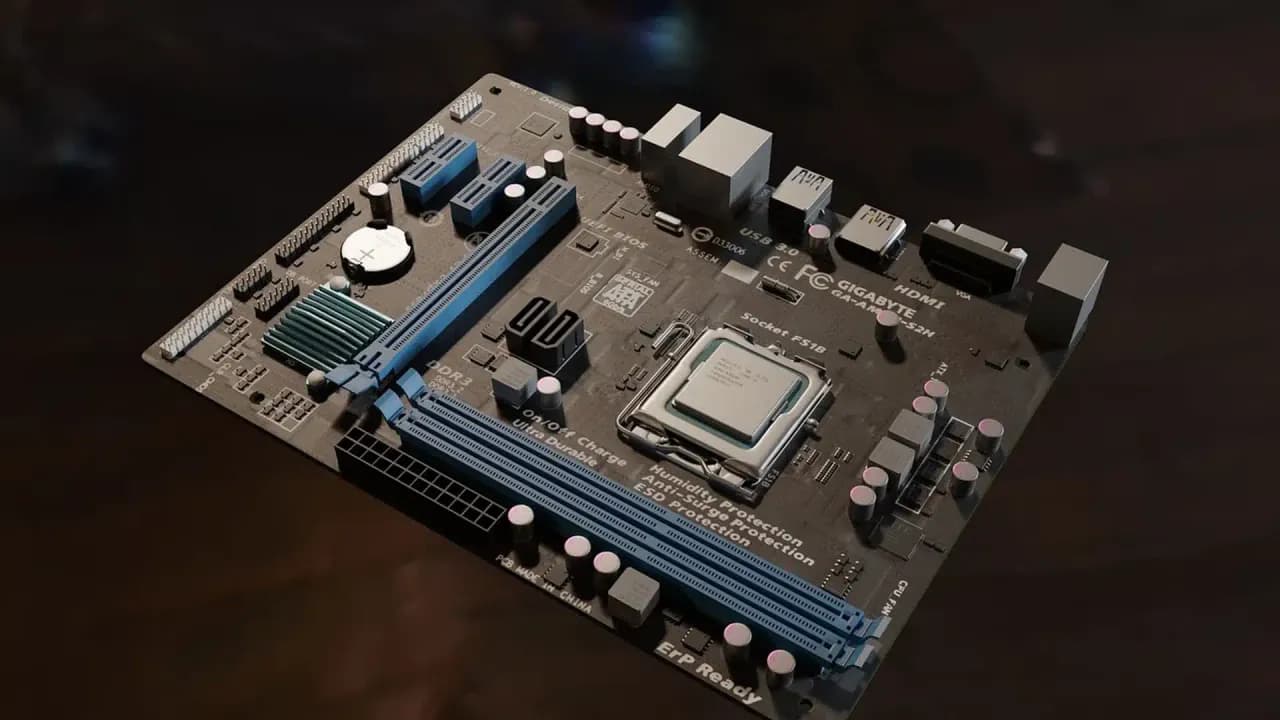
Imagen: Esports Insider
Buying second-hand components has always been the smart play for building a solid PC without emptying your bank account. However, a case reported by a VALORANT player has just cast a shadow over that habit: according to Esports Insider, the user claims to have received a hardware ban that they tie to a Ryzen processor they bought used. In other words, the punishment wouldn't be for something they did, but for what the previous owner of that part may have done.
Why does it matter? Because it hits a huge part of our community directly. Across the Americas and Europe, the second-hand market is the gateway to PC gaming for thousands of players who can't afford new hardware. If a part can reach you with a penalty already attached, the uncertainty stops being a technical issue and becomes a real risk to your account, your progress and, if you compete, your career.
What you need to know
- A player reports a hardware ban in VALORANT that they link to a Ryzen processor bought second-hand.
- This is a case reported by the user themselves, not a pattern officially confirmed in the available information.
- The story, covered by Esports Insider, puts the spotlight on the risks and lack of certainty for anyone buying used PCs or parts.
- The underlying debate is how to identify an offender when penalties are tied to hardware and not just to the account.
What a hardware ban is and why it raises doubts
Competitive games have been stepping up their fight against cheaters for years. Banning an account is no longer enough: a cheater can create a new one in minutes and jump straight back into a match. That's why penalties tied to the physical machine exist, aiming to stop the same computer from playing again. VALORANT, with its Vanguard anti-cheat system, is one of the titles most associated with this strict approach.
The problem arises when that hardware changes hands. A processor, a graphics card or a motherboard doesn't know who is using it; it simply passes from one owner to the next. If the penalty stays attached to the part, the honest buyer ends up paying for someone else's sins. Worse still, at the time of purchase they have no reasonable way of knowing whether that component carries a history.
Who it affects
The potential impact is wide-ranging:
- Players on a tight budget, who rely on the used market to stay competitive.
- Amateur teams and academies, which often build their setups by reusing parts.
- Content creators, who upgrade their gear frequently and sell what they no longer use, or buy cheap to build secondary streaming PCs.
- Sellers and refurbished hardware stores, which could see trust in their products drop if cases like this multiply.
It's worth being cautious: for now we're talking about a single player's report, and the source presents it as a case that raises questions, not as a settled conclusion. But the mere existence of the doubt is enough to make many people think twice before buying that well-priced Ryzen on a marketplace.
Our take
At Underworld Lordz we are fully in favor of tough anti-cheat. Anyone who competes seriously knows how frustrating it is to lose a ranked match or a scrim to someone using external assistance, and we understand why Riot wants to close every door. That said, a hard line only works if it's fair. A system that can punish an innocent player for buying a used part has a hole that needs to be patched as soon as possible.
What we're missing is transparency. If a player receives a hardware ban, they should have access to a clear and fast appeals process where they can prove they acquired the component in good faith. For a competitor, being unable to play for weeks while the matter is sorted out can mean missing a tournament, a team tryout or their training rhythm. For a content creator, it means losing streams, audience and income. That's no small detail.
In the meantime, our practical advice is simple: if you buy used hardware, always keep the receipt, save your conversations with the seller and, whenever possible, buy from people or stores with a verifiable reputation. It won't protect you one hundred percent, but it gives you something to back up your case if you ever need to file a claim. And we ask developers for the same thing we ask of any competition: clear rules, proportionate penalties and a real chance to defend yourself.
What do you think?
This case opens a debate that concerns everyone who plays on PC. Is such an aggressive anti-cheat system worth it if there's a chance it punishes honest players? Have you ever bought second-hand components to compete? Tell us about your experience in the team chat or on our Discord: would you still buy used hardware to play VALORANT after reading this?
Your turn
What do you think?
Share your take in the team chat or on Discord. We feature the best opinions in the next article.
How did it land?
Community takes
…
Keep reading
Competitivo
T1 breaks through its ceiling at Champions Shanghai and LOUD delivers again when it matters most

Gaming
Inherited ban? A second-hand CPU puts a Valorant player at odds with Riot

Competitivo
Metal Desks Nearly Derail a Valorant Tournament: Wired Mice Make a Comeback

Meta y armas
Collateral: Call of Duty adopts the CS2 and Valorant economy, and only on PC
Team guides
Warden en el 13.06: cuándo comprarlo y cómo cuadra la economía
Team guides
Errores comunes en squad de Valorant y cómo corregirlos