
Fortnite voice chat threats end with a player arrested by the FBI
By Redacción UWLG · Source: Dexerto
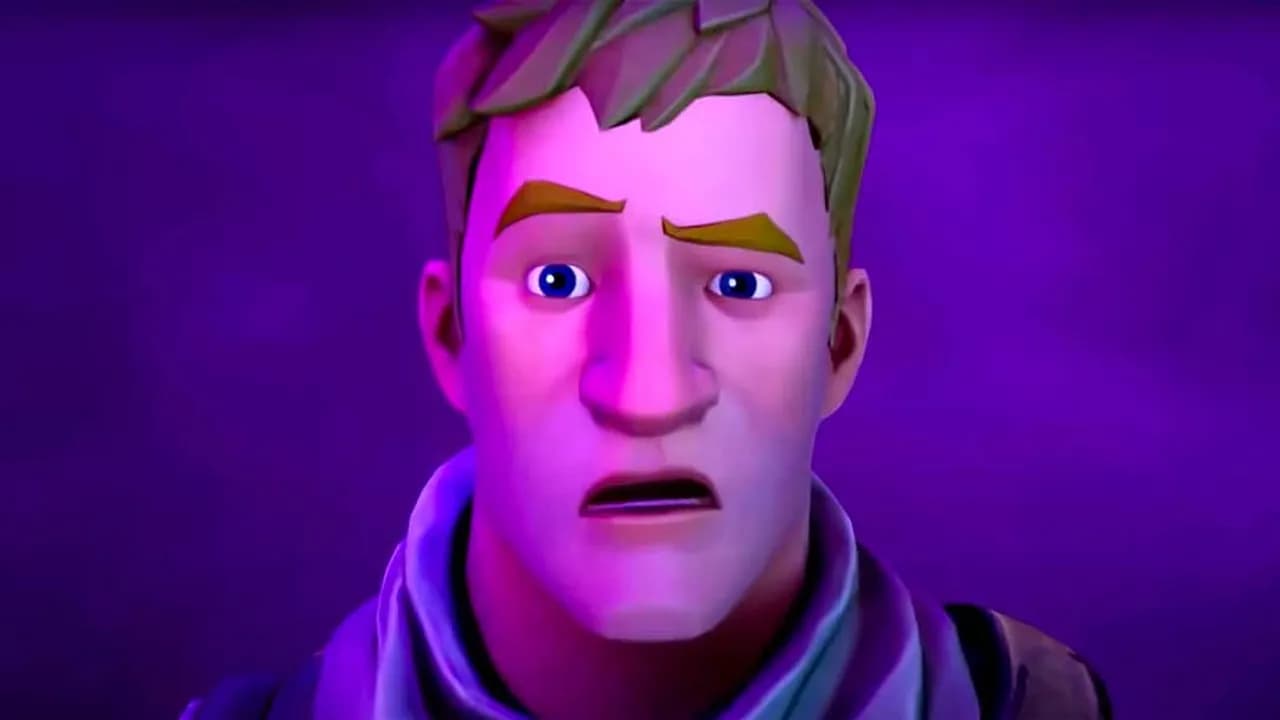
Imagen: Dexerto
What you say on the mic doesn't stay in the match. According to Dexerto, a Fortnite player was arrested by the FBI after Epic Games handed investigators the threats they had made over the game's voice chat. The most ironic part of the story is that the player even wondered out loud whether the feds would end up knocking on their door. The answer was yes.
This case is more than just an anecdote. It confirms something many people assumed but few took seriously: when a report is filed, platforms do listen, and if what's said crosses the line into a threat, they cooperate with the authorities. For a community that lives with headsets on, from casual matches to scrims and streams, it's an uncomfortable but necessary reminder.
What you need to know
- A Fortnite player was arrested by the FBI over threats made through the game's voice chat.
- Epic Games was the one that passed those threats on to investigators.
- The player wondered aloud whether the FBI would show up at their home, and that's exactly what happened.
- The original source is Dexerto, whose summary doesn't detail the exact content of the threats or how the investigation unfolded.
Context: voice chat is no longer a lawless zone
For years, voice chat in online games was seen as a space without consequences. Text chat leaves a trail and is easy to screenshot and report, but voice felt ephemeral: whatever was said vanished when the match ended. That sense of impunity fueled much of the toxicity we all know, from casual insults to far more serious remarks.
Fortnite added tools some time ago that let players report voice chat and submit audio clips for review. What this case makes clear is the next step: when moderation spots something that goes beyond bad manners and into threatening territory, the company can pass the material on to the authorities, and they can act in the real world.
It's worth being careful about what we don't know. The available information doesn't specify exactly what the player said, who their words were aimed at, or how much time passed between the report and the arrest. What is clear is the sequence: threats in chat, Epic Games stepping in, and an arrest by the FBI.
Who does this affect?
- Competitive players: trash talk is part of the culture, but there's a clear line between needling an opponent and threatening them. This case shows that line carries legal consequences.
- Content creators: what happens live gets recorded, clipped and shared. If someone threatens you on your stream, you have evidence and tools to act, and if you're the one who crosses the line, there's a record of that too.
- Communities and teams: clans, teams and Discord servers also share responsibility for setting what is and isn't tolerated.
Our take
At Underworld Lordz, we're clear on this: a threat is not a joke, even if it's said in the middle of a match in the heat of competition. We think it's right that Epic Games took action and that there are real consequences for anyone using the game as a megaphone to intimidate others. For far too long, players, and especially many women and high-profile creators, have had to put up with attacks while no one on the other end did anything. The fact that something was done this time is good news.
That said, we don't want to applaud without reservations. Companies recording and reviewing their users' audio demands transparency: when it's stored, for how long, who listens to it, and what criteria are used to decide whether to escalate a case to the police. The community's trust depends on these tools being used to protect people, not for blanket surveillance. We'd also like to see the same firmness applied to everyday toxicity, which may not be criminal but drives a huge number of people out of competitive play.
For those who compete and create content, the lesson is simple: your mic is a work tool and a way to communicate with your team, not a place to blurt out whatever pops into your head. Getting heated is part of the game; crossing certain lines isn't. And if you're on the receiving end of threats, report them, save the evidence and lean on your community. You're not alone.
What do you think?
This case opens a debate that concerns everyone who plays with an open mic: safety versus privacy, trash talk versus threats, moderation versus surveillance. We've shared our stance, now we want to hear yours. Do you think companies should listen to voice chat audio and hand it over to the authorities when threats are involved, or are we giving them too much power? Let us know in the team chat or drop by our Discord.
Your turn
What do you think?
Share your take in the team chat or on Discord. We feature the best opinions in the next article.
How did it land?
Community takes
…
Keep reading

Gaming
Fortnite changes the “Meow” artwork after Ironmouse complains about an AI watermark

Gaming
Disney Responds to Epic Games Rumors: What Would Happen to Fortnite?

Hardware
Disney cools the rumor: buying Epic Games isn't on the table, for now

Lanzamientos
Disney Rules Out Buying Epic Games, but Its Fortnite Partnership Is Here to Stay
Team guides
Errores comunes en squad de Fortnite y cómo corregirlos
Team guides
Fortnite en 2026: meta, roles y cómo subir a Unreal en squad