
Lifetime Ban in CS2: The kzy Case and the $4.5 Million Bet
By Redacción UWLG · Source: Dexerto
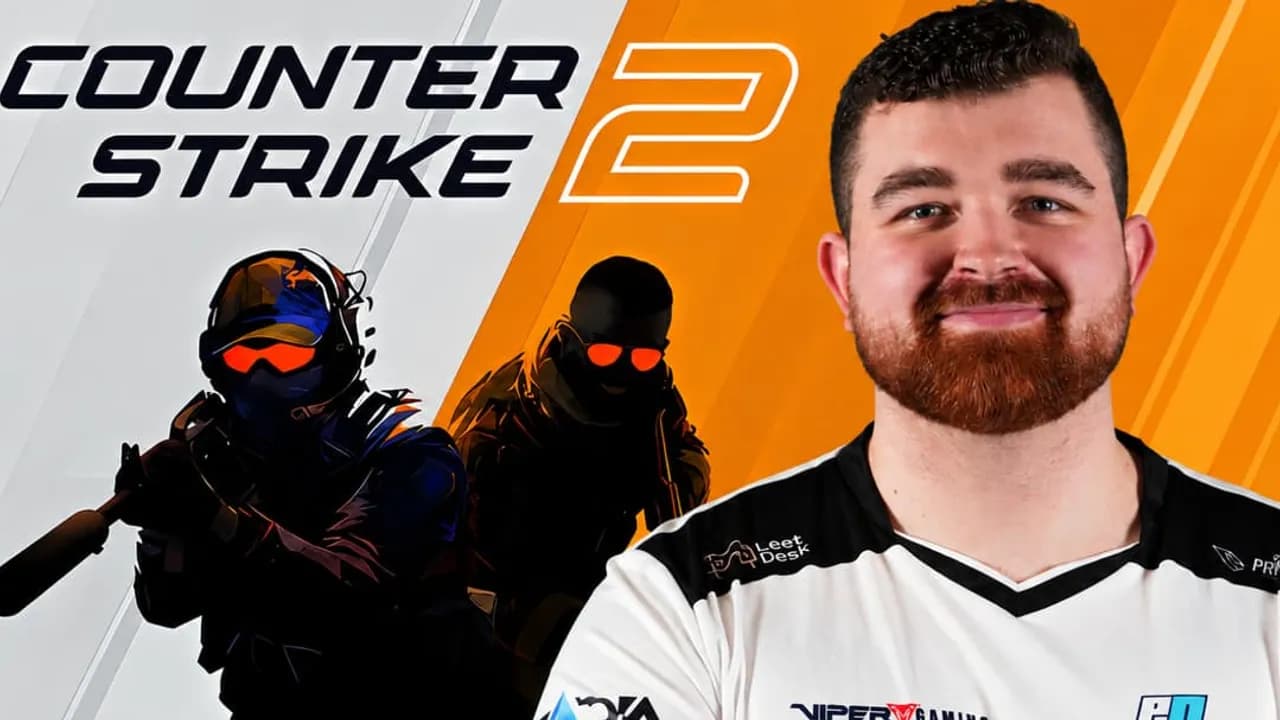
Imagen: Dexerto
The Counter-Strike 2 competitive scene is taking another hard look in the mirror, and it doesn't like what it sees. According to Dexerto, Oliver ‘kzy’ Heck has received a lifetime ban following a match-fixing investigation. The case is tied to a bet with a potential payout of more than $4.5 million, a figure that on its own explains why this story has everyone talking.
It matters because match-fixing isn't just another stain on a player's record. It's a direct attack on the one thing that holds any competition together: the trust that what happens on the server is real. When that trust cracks, everyone loses: the teams that play clean, the organizers, the sponsors and, above all, the people who spend hours watching, analyzing and creating content about every match.
What you need to know
- Oliver ‘kzy’ Heck, a Counter-Strike 2 pro, has been banned from competition for life.
- The ban comes as the result of a match-fixing investigation.
- The case is linked to a bet with a payout of more than $4.5 million.
- The original report comes from Dexerto; the source doesn't provide any further figures on the case.
Context: why a ban like this is the only possible response
Lifetime bans are the harshest tool any competitive ecosystem has, and they aren't handed out lightly. Their goal isn't just to punish those who break the rules, but to send an unmistakable message to everyone else: if you fix matches, there's no coming back. In an esport where betting companies have a massive presence, both as sponsors and through markets available for almost every match, that message needs to be loud and clear.
The amount tied to the bet is what makes this case especially serious. We're talking about a potential payout of more than $4.5 million, a sum that makes it clear that match-fixing in esports is no longer about small-time cheating between acquaintances, but a business with enormous financial incentives. And wherever incentives like that exist, there will always be someone willing to try to corrupt whoever is on the server.
Who does it affect?
Directly, it affects kzy, whose competitive career is now over. But the impact goes far beyond that. It affects his teammates, who carry the weight of suspicion even if they had nothing to do with it. It affects mid- and lower-tier tournaments, where checks tend to be less strict and salaries more modest, making them the most vulnerable ground. And it affects content creators, who need audiences to keep believing in what they cast and analyze.
This isn't the first time the Counter-Strike scene has faced a match-fixing scandal, and it probably won't be the last. What matters is how the ecosystem responds: with serious investigations, proportionate sanctions and, above all, prevention.
Our take
At Underworld Lordz, we're clear on this: the lifetime ban is the right call. There's no room for ambiguity when it comes to match-fixing. Anyone who sells a match betrays not only their team, but every player who grinds for hours to reach that level and every viewer who trusts that the result is legitimate. Going easy on these cases would only invite them to happen again.
That said, we also want to be critical of the system. Punishment is fine, but it isn't enough. The relationship between esports and betting companies needs far more transparency, and second- and third-tier circuits need real protection: better salaries, integrity training and safe channels for reporting bribery attempts. An underpaid player with no support is exactly the profile that match-fixers are looking for.
For content creators, this case is a reminder of responsibility. Promoting betting in a scene with these risks has consequences, and the credibility that takes so long to build can be lost in a single scandal. The Spanish-speaking competitive community is growing across the Americas and Europe, and it's on all of us to make sure that growth stays clean.
What do you think?
Lifetime bans are a strong deterrent, but do you think they're enough to stop match-fixing, or does the problem lie in the relationship between esports and betting? Should tournaments restrict betting markets for certain competitions? Tell us where you stand in the team chat or drop by our Discord to discuss it: what would you do to protect the integrity of the scene?
Your turn
What do you think?
Share your take in the team chat or on Discord. We feature the best opinions in the next article.
How did it land?
Community takes
…
Keep reading

Competitivo
Vitality win their fourth Pro League and become CS's all-time top prize earners

Competitivo
m0NESY stays at Falcons until 2030: the Major MVP signs a long-term deal
Gaming
A CS2 Player Turns His Master's Thesis Into a Cheater-Hunting System
Competitivo
Brazil Cracks Down on Betting, Leaving Counter-Strike Without a Sponsorship Safety Net
Team guides
Granadas de Mirage en CS2: smokes, flashes y molotovs
Team guides
Errores comunes en squad en CS2 y cómo corregirlos