
A CS2 Player Turns His Master's Thesis Into a Cheater-Hunting System
By Redacción UWLG · Source: PC Gamer
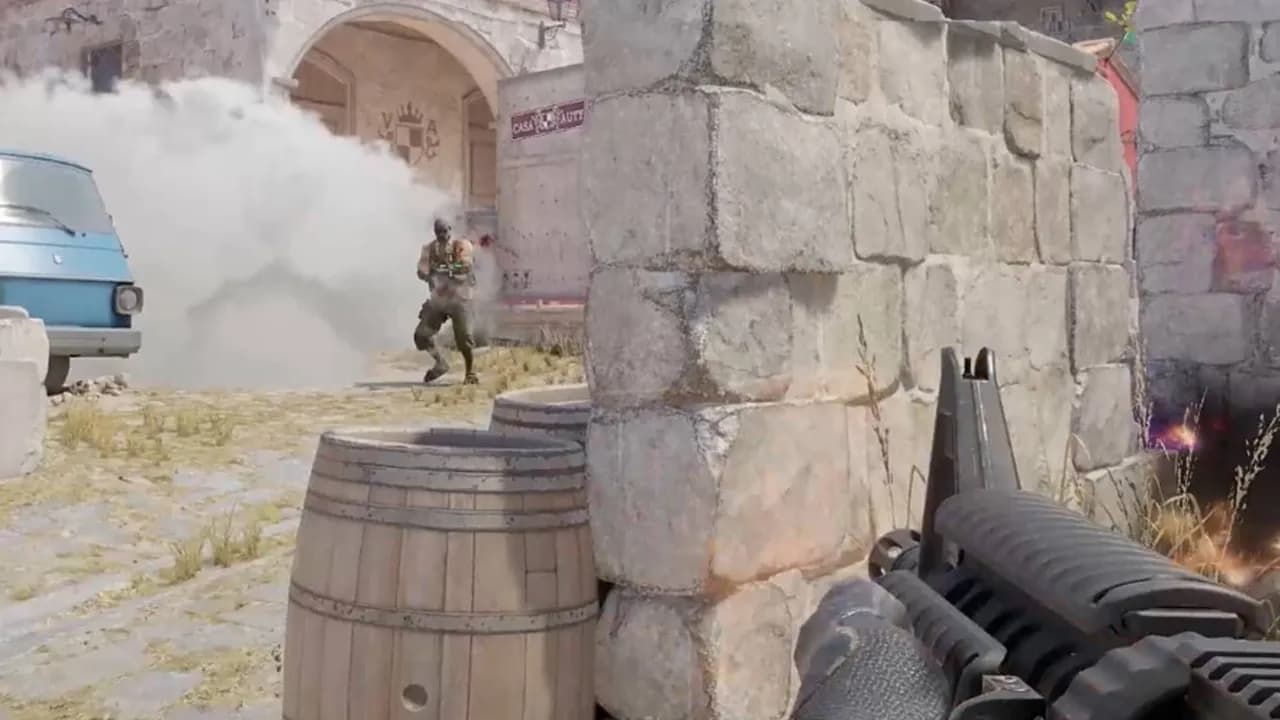
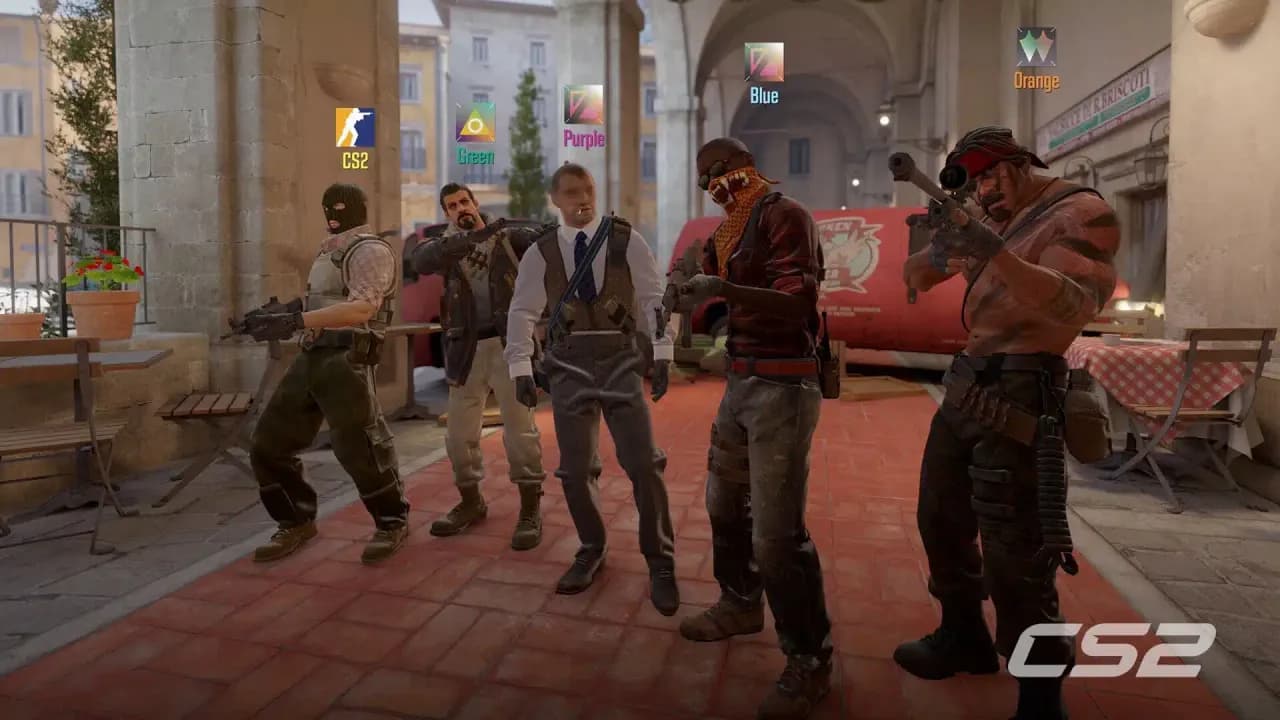
Imagen: PC Gamer
The war against cheaters in Counter-Strike 2 has an unexpected ally: a student who, instead of picking a comfortable topic for his master's thesis, decided to devote his academic work to hunting cheaters. As PC Gamer reports, the result is a player-tracking system so solid that the publication itself, with a touch of irony, rates it as top-marks work.
Why does this matter to us at Underworld Lordz? Because cheating in CS2 is no minor footnote: it affects every ranked match, every scrim and every stream. Seeing universities start to look at matchmaking with serious tools, rather than just complaints on forums, is a sign that the community is tired of waiting for miracle solutions from above.

What you need to know
- A Counter-Strike 2 player focused his entire master's thesis on cheater detection, according to PC Gamer.
- The project led to a player-tracking system that the publication describes as first-rate.
- PC Gamer does not hide a hint of academic envy: its summary jokes that they wish they had thought of that topic for their own dissertation.
- This is an individual, academic initiative, not an official Valve tool or a commercial service.
- The specific technical details of the system are not included in the information we have been able to verify, so it is best not to assume how it works under the hood.
The context: a fed-up community and an anti-cheat that is always one step behind
Anyone who plays CS2 with any regularity knows the feeling of "this guy is using something." Valve has spent years battling with automated and reputation-based systems, and the competitive scene has responded with third-party platforms that promise cleaner matches. Still, the race between cheat developers and detection systems is, by definition, a race that never ends: every patch opens a new window.
In that landscape, a student using the rigor of a thesis to analyze player behavior has value that goes beyond a nice gesture. Academic work demands methodology, verifiable data and conclusions that can be defended before a committee. That is exactly what tends to be missing from debates about cheaters, where almost everything boils down to thirty-second clips and accusations flying back and forth.
Tracking the player, not just the shot
The concept of "player tracking" points to something the competitive community has been asking for for a long time: not just looking at whether a shot is suspicious, but building a profile of how someone moves, aims and reacts over time. A subtle wallhack or an aimbot with humanization can fool a spectator in a single round, but it is much harder for them to fool a sustained analysis of hundreds of decisions. If the system PC Gamer describes is heading in that direction, the approach is the right one.
Who it affects
In the short term, nobody directly: we are talking about a university project, not an update that will land in your Steam client next week. But initiatives like this have a habit of trickling into the ecosystem. Amateur league organizers, alternative matchmaking platforms and the teams that analyze demos themselves are the first candidates to adopt or draw inspiration from methodologies like this. And, in the medium term, it is the kind of work that ends up on the radar of those who design the official anti-cheat systems.
Our take
Here at the Underworld Lordz newsroom we applaud the initiative without reservation, but with one mandatory warning. Celebrating a thesis as "the solution" would be falling into the same old trap. A system that works in a controlled environment, with data collected by a single person, has to prove it holds up in real-world chaos: cheats that change every week, legitimate players with terrible pings and a volume of matches that no student can process alone. Until we see it exposed to that pressure, it is a brilliant promise, not a shield.
For competitive players, the takeaway is more uncomfortable than it seems: if a student can build a tool of this caliber with the resources of a master's program, what excuse is left for the official standard to keep raising so many doubts? The community has spent years contributing demos, reports and patience. Projects like this make it clear that the talent is out there, waiting for someone to listen.
For content creators there is another angle that worries us. Player-profiling tools are a double-edged sword: used well, they clean up the game; used badly, they fuel witch hunts against anyone who has a good night. Anyone who publishes "analyses" of alleged cheaters on their channel should hold themselves to the same rigor an academic committee demands of a thesis. Otherwise, we will just be swapping one problem for another.
What do you think?
When you play CS2, do you trust that the anti-cheat is doing its job, or do you take for granted that sooner or later you will run into a cheater? Tell us in the team chat or on our Discord: should Valve open the door to detection tools built by the community and academia, or is it too risky to put that power in outside hands?
Your turn
What do you think?
Share your take in the team chat or on Discord. We feature the best opinions in the next article.
How did it land?
Community takes
…
Keep reading
Competitivo
Brazil Cracks Down on Betting, Leaving Counter-Strike Without a Sponsorship Safety Net
Guías y estrategias
Ban the Cheater, Not the Account: The Master's Thesis Challenging CS2's Anti-Cheat
Competitivo
CS2 Drops for Seven Straight Months as Anti-Cheat Returns to the Spotlight
Competitivo
Brazil cracks down on betting and Brazilian CS2 loses LOUD and Keyd Stars
Team guides
Errores comunes en squad en CS2 y cómo corregirlos
Team guides
CS2 en 2026: meta de armas, roles y cómo subir de rango