

Kaquka and the human turn in esports: telling the player's story, not just the play
By Redacción UWLG · Source: Marca eSports
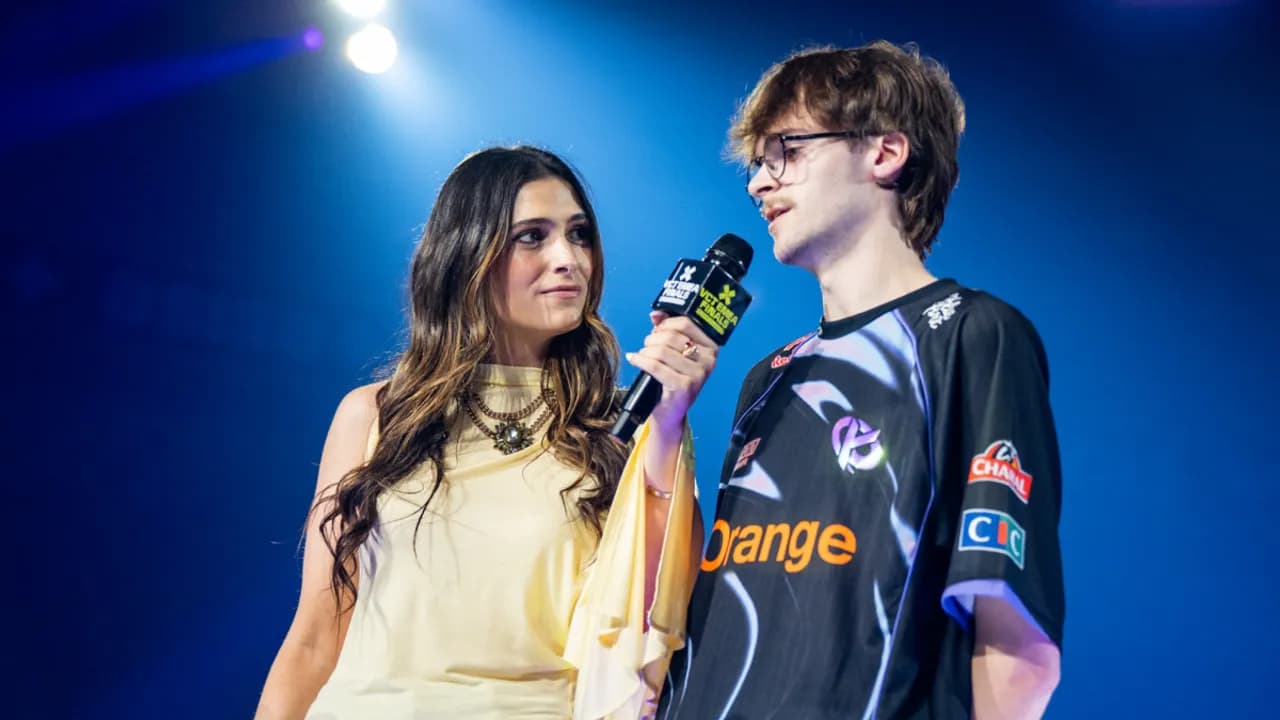
Imagen: Marca eSports
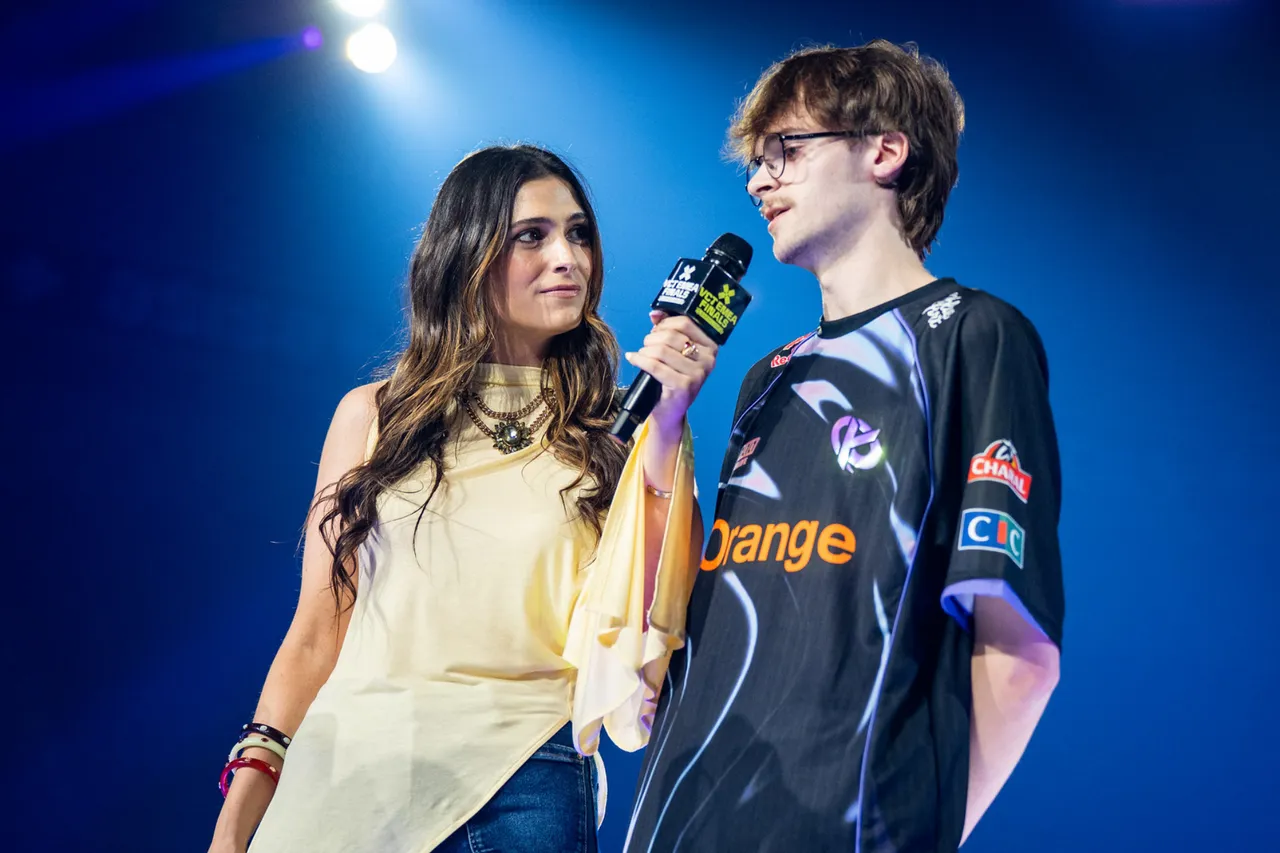
The way esports are covered is evolving too, and not just because of the cameras or the graphics. Kaquka, a Spanish caster and analyst on the Valorant scene, spoke to Marca eSports during the VCT EMEA finals and left behind an idea that sums up where the industry is right now: broadcasts have become far more human towards players, and their feelings are now taken into account much more. In other words, the focus is no longer solely on the scoreboard and the latest clutch, but also on the person behind the nickname.
It may sound like a minor detail, but it isn't. Whoever casts a final decides which story viewers take home, and that story shapes how the community treats the pros: the ones who win, the ones who go out in the quarterfinals, and the ones who throw a decisive round with thousands of people watching. For a team like Underworld Lordz, with competitive players and creators who face that same scrutiny on a smaller scale, this hits very close to home.
What you need to know
- Who's talking: Kaquka, a Spanish caster and analyst, one of the voices of Spanish-language Valorant casting and analysis.
- Where: the comments were gathered at the VCT EMEA finals, the decisive stage of the European Valorant circuit, at the end of August.
- The message: coverage has become far more human towards players, and their feelings are taken into account more than ever.
- What it means: it's a cultural shift in how competition is narrated and analyzed, not a change in rules or format.
- Source: the original information comes from Marca eSports.
From the play to the player
For years, esports analysis copied the coldest side of traditional sports: statistics, mistakes pointed out with a finger, and a tone in which the player was little more than a data point on screen. The approach Kaquka describes points in a different direction. Analysis is still analysis, but it's understood that on the other side there's someone with nerves, pressure, a personal context, and a career on the line at every tournament. That changes the language, changes the questions asked in interviews, and changes the kind of narrative built around a team.
It's no coincidence that this is being said at a VCT EMEA final. Major events are the showcase where the difference is most obvious between a broadcast that tears the losers apart and one that explains why they lost without turning it into public humiliation. And the audience, the same one that later comments on Twitch, X, or Discord, tends to copy the tone of the people it looks up to.
Who this change affects
It affects, first of all, the pros themselves, who now have more room to make mistakes without every error becoming an eternal meme. It affects broadcast talent, who have to balance rigor with empathy without sliding into softness. And it affects viewers, because more human coverage builds bonds with players that go beyond results, something that in the long run keeps a scene alive when the results aren't there.
Our take
At Underworld Lordz we applaud the core of the message. Anyone who has competed, even in an amateur league, knows that the difference between performing and falling apart is often in your head, and that a cruel comment at a delicate moment can weigh more than a week of practice. Having the people holding the microphone take on that responsibility is good news for the health of the scene.
That said, humanizing shouldn't be confused with giving up on analysis. The competitive viewer wants to know what went wrong and why, and the serious player wants to know too, because that's where improvement comes from. If empathy becomes an excuse not to call out bad decisions, the broadcast loses value and fans end up looking for raw analysis elsewhere, usually with far less tact. The challenge is to be demanding about the play and respectful of the person, and those two things are not incompatible.
For content creators there's a clear lesson: the easy clip built on someone's humiliation brings views today, but it destroys the community's trust and, over time, closes doors. If professional coverage is raising the bar, those making content about the scene would do well to raise it too.
What do you think?
Kaquka's reflection opens a debate that goes far beyond a European final and touches on how we consume and comment on competition every day. Do you think humanizing players makes broadcasts better, or would you rather have unfiltered analysis even if it hurts? Tell us in the team chat or on our Discord.
Your turn
What do you think?
Share your take in the team chat or on Discord. We feature the best opinions in the next article.
How did it land?
Community takes
…