
Sony Inzone M10S II: PC Gamer Calls It the Best Ultra-High-Refresh Esports Monitor
By Redacción UWLG · Source: PC Gamer
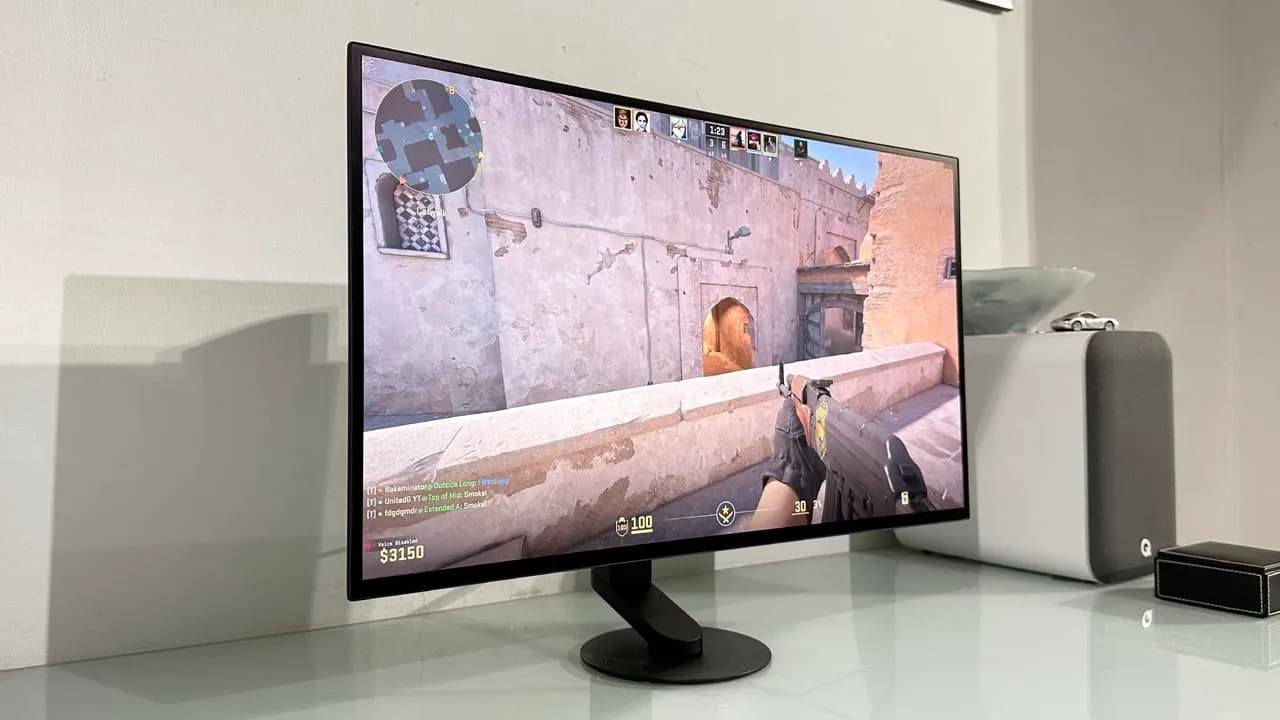
Imagen: PC Gamer
PC Gamer has delivered its verdict on the Sony Inzone M10S II, and it's not exactly lukewarm: they describe it as probably the best ultra-high-refresh esports monitor released so far. In a category where every season brings a new panel claiming to be the definitive one, having an outlet that puts this much hardware through the test bench commit to a statement like that is, at the very least, worth paying attention to.
And it matters to us for one very specific reason: the monitor is the only piece of your setup involved in absolutely every frame you play. You can own the best mouse on the market, the best chair and the best ping, but if the image arrives late or with smearing, the rest of your gear is working for nothing. At Underworld Lordz we have players competing from the Americas and from Europe, with very different budgets, currencies and priorities, so every time a candidate for reference competitive monitor shows up, it's time to sit down and look at it closely.
What you need to know
- PC Gamer has published its review of the Sony Inzone M10S II, the new monitor from Sony's gaming brand.
- Their conclusion is clear: this is probably the best ultra-high-refresh esports monitor to date.
- The name itself marks it as the second iteration of the M10S line: it's the revision of a product that was already built with competitive play in mind, not a debut.
- The source information for this piece comes from PC Gamer. The full spec sheet, the measurements and the price are all in their original review, and we're not going to make them up here.
- Everything from this point on (context, analysis and opinion) comes from the Underworld Lordz editorial team.
Why ultra-high refresh became the battleground
The category has been pushing in the same direction for years: more hertz, lower response times, less input lag. The big jump — going from an office panel to one built for competition — is something anyone notices in their first match. What you don't notice the same way is the next jump: the higher rungs of the refresh ladder deliver increasingly subtle improvements, and at that point the difference stops living on the spec sheet and starts playing out in less flashy places. Motion consistency. Image clarity when you flick the camera around. How the panel behaves in the fourth hour of scrims, not in the first five minutes.
That's why a verdict like PC Gamer's carries more weight than an isolated marketing number. Saying the best so far in such a crowded segment isn't about having the highest figure on the box: it means the package as a whole is well executed and there's no strange compromise hiding behind that number. It's an assessment of the complete product, and that's exactly the standard a team should be buying by.
Who this actually changes things for
If you compete in tactical or arena shooters and your PC holds high framerates consistently, this kind of monitor is one of the few investments that translate into something you feel directly at the controls. If your rig can't feed that refresh rate, though, you'll be paying for a number you're never going to see: tower first, panel second. And if your thing is campaigns, open worlds or RPGs, there are far better places to put that money.
A separate case: creators. This is where you need a cool head, because what your monitor sees is not what your audience sees. The stream goes out compressed and at a much lower framerate, so an esports panel improves your performance as a player, not the quality of your broadcast. It's a purchase to win duels, not to win viewers. Confusing the two is the most expensive mistake in the average setup.
Our take
We're glad to see Sony taking the competitive niche seriously instead of just slapping a gaming logo on a TV, but we'll also be honest: the esports monitor market is deep into diminishing returns. Every generation sells a leap that, in the hands of most players, amounts to a real improvement considerably smaller than the marketing suggests. PC Gamer's headline is genuine praise, but it's still a superlative with a short shelf life: a year from now there'll be another best so far.
Our position is the same as always, and one good review isn't going to move it. Before spending on the highest refresh tier, make sure you've got the fundamentals sorted: a decent connection, a rig that holds frames without dips, a chair and a desk that survive six hours, and above all hours of deliberate practice. No panel makes up for mediocre crosshair placement. Premium hardware multiplies what you already know how to do; it doesn't replace it.
That said, if you're already at that point — you compete, you train seriously and your PC has headroom to spare — a monitor like this is one of the few pieces that justify the outlay, because it'll stay with you across several GPU generations. Our practical recommendation: read the full review at PC Gamer, check the price in your region (Latin America and Europe tell very different stories here) and ask yourself honestly whether the bottleneck in your game is the screen or somewhere else. It's almost always somewhere else.
What do you think?
We want to hear from the community, especially from those who've already made the jump to an esports panel and from those still competing on a humble monitor and performing just as well. What's your take: do the extra hertz make a real difference to your level, or is that money better spent on training hours? Tell us in the team chat or drop by the Underworld Lordz Discord to make your case.
Your turn
What do you think?
Share your take in the team chat or on Discord. We feature the best opinions in the next article.
How did it land?
Community takes
…
Keep reading
Competitivo
Movistar KOI, Close to a LoL World Title: The Detail That Changes Everything
Competitivo
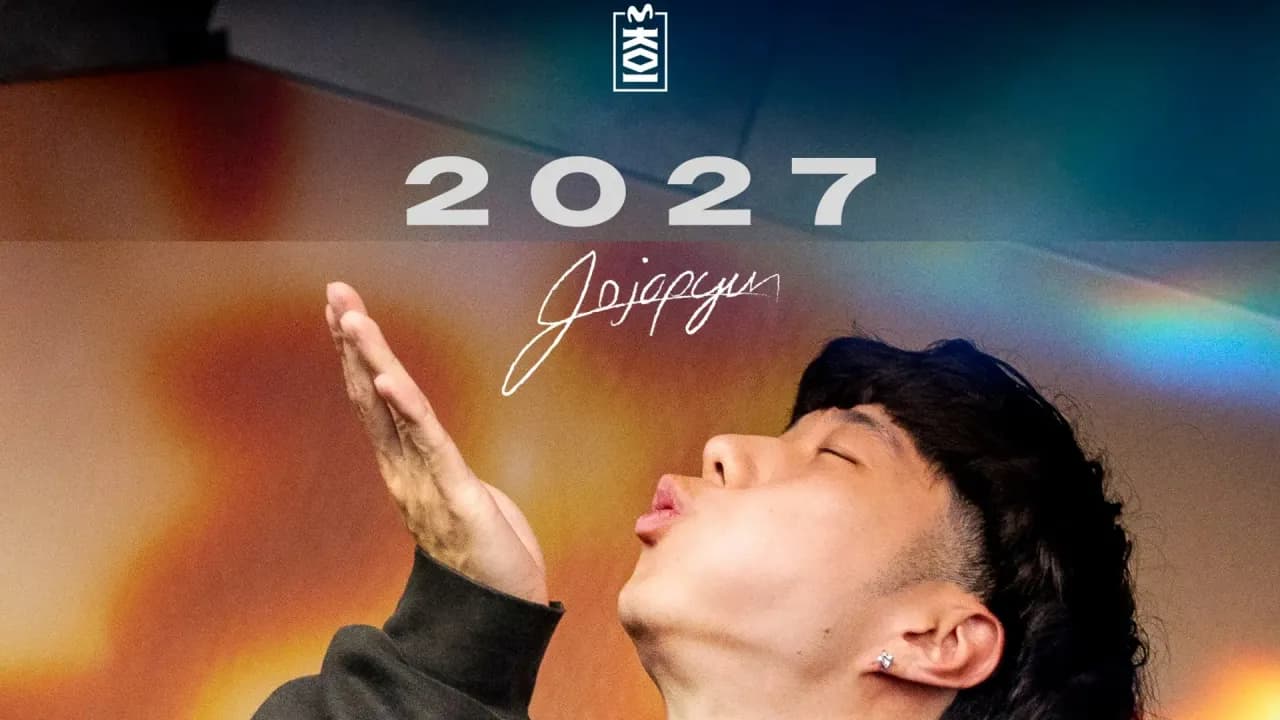
Movistar KOI locks down Jojopyun until 2027: the signing that sets the tone for the offseason
Competitivo
Xbox Restructures: Halo Moves to Activision and the Layoffs Run Through 2027

Competitivo
Cloud9 and Team Liquid Return to Worlds 2026: North America Gets Its Classics Back