
Can a Used CPU Get You Banned in Valorant? Riot Responds to the Controversy
By Redacción UWLG · Source: Dexerto

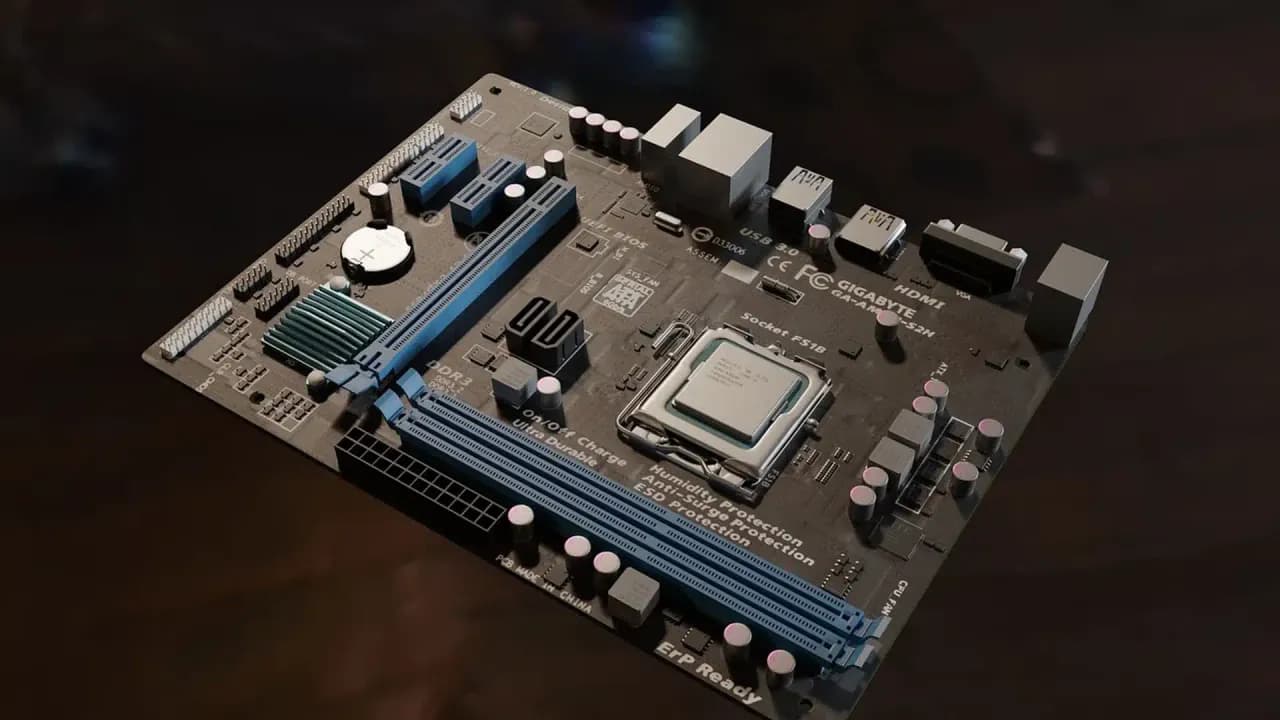
Imagen: Dexerto
The Valorant community has a new controversy on its hands. As reported by Dexerto, a player claims he bought a second-hand processor and, along with it, inherited a penalty that wasn't his: the cheating ban of its previous owner. The story spread quickly across social media. After all, something like this could happen to anyone who upgrades their setup with used parts. Riot Games was quick to respond, although its version doesn't fully match the player's: the company casts doubt on some points of the story.
Why does what is, in principle, a single person's case matter? Because it touches on one of the pillars of Riot's anti-cheat system: identifying cheaters' hardware so they can't come back on a new account five minutes later. If that mechanism can punish someone who buys a part in good faith, the problem goes beyond a single player. It affects anyone who builds or upgrades their PC on the second-hand market, which is very common across much of our community in the Americas and Europe.

What you need to know
- A Valorant player says he was banned after installing a CPU bought second-hand.
- According to his account, the ban carried over from the processor's previous owner, who had allegedly been caught cheating.
- Riot has responded publicly and disputes parts of the story, without accepting it in full.
- The case reopens the debate over hardware-linked bans and their potential collateral damage.
- The original report comes from Dexerto.
The context: bans that go beyond the account
For some time now, Riot hasn't limited itself to shutting down accounts when it detects cheating in Valorant. Its anti-cheat system can also block the machine being used to play. The logic is simple: creating a new account costs nothing, so an account-only ban barely slows down repeat cheaters. Going after the hardware makes cheating again far more expensive.
The problem arises when that hardware changes hands. Processors, graphics cards, motherboards and entire laptops change hands every day through second-hand stores and buy-and-sell groups. Buyers have no way of knowing whether a part was ever in a banned player's machine. That's why the case has caused so much concern: it describes a scenario where an innocent player pays for someone else's offense without having done anything more than look for a bargain.
Two versions that don't add up
It's worth being cautious. The source makes it clear that Riot disputes parts of the story, so this isn't a confirmed system failure. The player may have misread the reason for his ban, parts of the story may be missing, or the case may be more complex than it seems. Until more details emerge, the honest approach is to treat it for what it is: one user's accusation and a company response that pushes back on it.
Our take
At Underworld Lordz, we're in favor of tough anti-cheat. Anyone who competes seriously knows how frustrating it is to lose a ranked match, or an entire week of progress, because of someone running an aimbot. Hardware bans are one of the few tools that genuinely hurt repeat cheaters, and we don't want Riot to back down on that front.
But a tough stance demands transparency and a solid appeals process. If a penalty can affect physical hardware, players need a clear way to prove that a part was recently purchased and has no connection to the offender. The same goes for content creators: an unfair ban isn't just a bad day; it can mean canceled streams, sponsorships up in the air and a reputation tarnished by something you didn't do. Riot's quick response is a good sign. What's still missing is a clearer explanation of how these cases are resolved, so the debate isn't fueled solely by screenshots on social media.
In the meantime, here's a practical tip: if you buy used hardware, keep the receipt, your conversation with the seller and the installation date. It won't guarantee anything, but if you ever need to appeal, having evidence can make all the difference.
What do you think?
Hardware bans divide the community: for some, they're essential in the fight against cheating; for others, they're a risk for anyone buying second-hand. We're calling for a tough stance with transparency, but we want to hear from you. Do you think Riot should keep hardware bans as they are, or should they change to protect people who buy used parts? Drop by the team chat or our Discord and let us know.
Your turn
What do you think?
Share your take in the team chat or on Discord. We feature the best opinions in the next article.
How did it land?
Community takes
…
Keep reading
Competitivo
A second-hand Ryzen and an inherited ban: the question worrying VALORANT players

Competitivo
T1 breaks through its ceiling at Champions Shanghai and LOUD delivers again when it matters most

Gaming
Inherited ban? A second-hand CPU puts a Valorant player at odds with Riot

Competitivo
Metal Desks Nearly Derail a Valorant Tournament: Wired Mice Make a Comeback
Team guides
Warden en el 13.06: cuándo comprarlo y cómo cuadra la economía
Team guides
Errores comunes en squad de Valorant y cómo corregirlos