
USA TODAY Sports and PlayVS launch their first high school esports championship
By Redacción UWLG · Source: Esports Insider
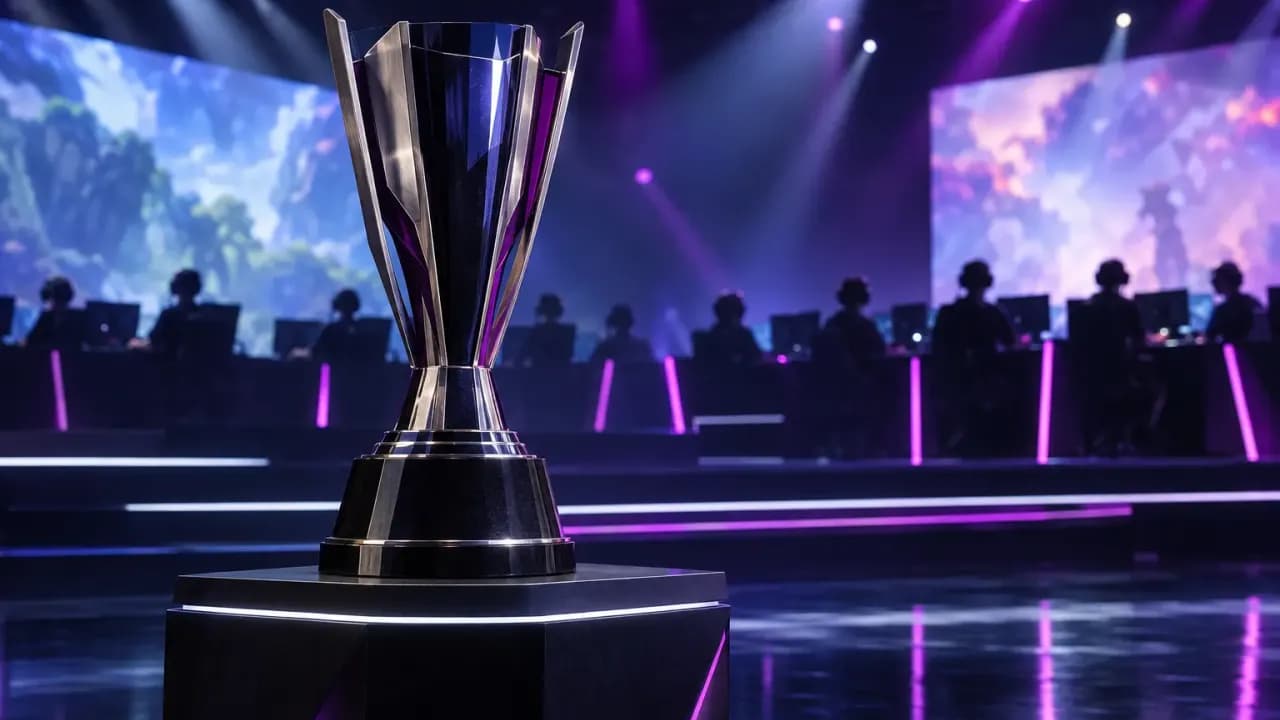
Imagen: Esports Insider
Scholastic esports just got a media boost few people saw coming. As reported by Esports Insider, USA TODAY Sports and PlayVS have joined forces to run a high school esports championship in the United States. The competition will bring together eight teams battling across three different games for a title that will be decided in the final on December 11. It marks the first time USA TODAY Sports has crowned a scholastic champion in esports.
Why does it matter? Because when a mainstream sports outlet of that size puts its brand next to a student tournament, the message is clear: school-age esports are no longer a niche after-school club, but a category that the giants of sports journalism consider worthy of dedicated coverage. And for those of us who have spent years arguing that competitive gaming deserves to be taken seriously, that is a signal worth looking at closely.
What you need to know
- Organizers: USA TODAY Sports and PlayVS are running the championship together.
- Participants: eight high school teams are competing for the title.
- Format: the tournament is played across three different games.
- Key date: the final is scheduled for December 11.
- A first: it is the first scholastic esports title ever awarded by USA TODAY Sports.
A traditional sports outlet enters the scholastic scene
The most striking part of the story is not so much the number of teams as the name behind the tournament. USA TODAY Sports is used to covering pro leagues, college sports and traditional high school competitions. The fact that it is now bringing esports under that same umbrella suggests that, at least in the United States, the line between school sports and digital competition is starting to blur.
PlayVS, for its part, brings its experience in student competitive play. The pairing makes sense: one provides the visibility and the stamp of prestige, the other the competitive infrastructure. The source does not specify which games are part of the championship or whether there will be prizes, so it is best not to jump to conclusions about the tournament's real weight until those details are known.
Who it affects
In the short term, the eight qualified teams, who will get a level of media exposure that is rare for players their age. In the medium term, the impact could be bigger: schools still on the fence about investing in esports programs, families who view video games with suspicion and brands looking to reach a young audience will all have a new argument on the table. If the format works, it is reasonable to expect other outlets to try to replicate it.
Our take
Here in the Underworld Lordz newsroom we see this as good news, with some caveats. The upside is obvious: legitimizing school-age competition helps young talent find structured pathways, with coaches, schedules and a supervised environment, instead of relying solely on online leaderboards and the luck of being discovered in a ranked match. For the next generation of competitive players, every tournament with institutional backing is one more open door.
That said, eight teams and three games is a small format, almost a showcase. The question is whether this is the start of a sustained circuit or a one-off branding move. The esports ecosystem is full of tournaments that launch with a lot of hype and vanish the following year. What would really change things is a stable competition, with a yearly calendar, transparent qualification criteria and continuity for the kids who put in the work. Until that is confirmed, caution is in order.
For content creators there is another interesting angle: the student and family audience is a niche that almost nobody covers well in Spanish. While a major US outlet is jumping into broadcasting high school finals, Latin America and Spain still lack serious coverage of student competition. There is a huge gap there for anyone willing to tell young players' stories with rigor and without sensationalism. Hopefully this initiative will push Spanish-speaking federations, leagues and media to take it seriously.
What do you think?
This championship could be the first step toward giving scholastic esports the same visibility as high school soccer or basketball, or it could end up as just an experiment. We are willing to give it a chance, but we want to hear from you: would you have liked to have a tournament like this at your school, and do you think something similar could work in your country? Drop by the team chat or our Discord and let us know.
Your turn
What do you think?
Share your take in the team chat or on Discord. We feature the best opinions in the next article.
How did it land?
Community takes
…
Keep reading

Competitivo
Razer, Faker and esports sponsorship: why a brand is in awe of one player

Competitivo
Hanwha Life arrive at Worlds 2026 ready to break the T1–Gen.G duopoly

Competitivo
Worlds 2026: Who's Who Among the Players Fighting for Glory
Competitivo
Brazil Cracks Down on Betting, Leaving Counter-Strike Without a Sponsorship Safety Net