
Wardogs and crunch: four 'voluntary' weeks nobody dared to turn down
By Redacción UWLG · Source: Vandal
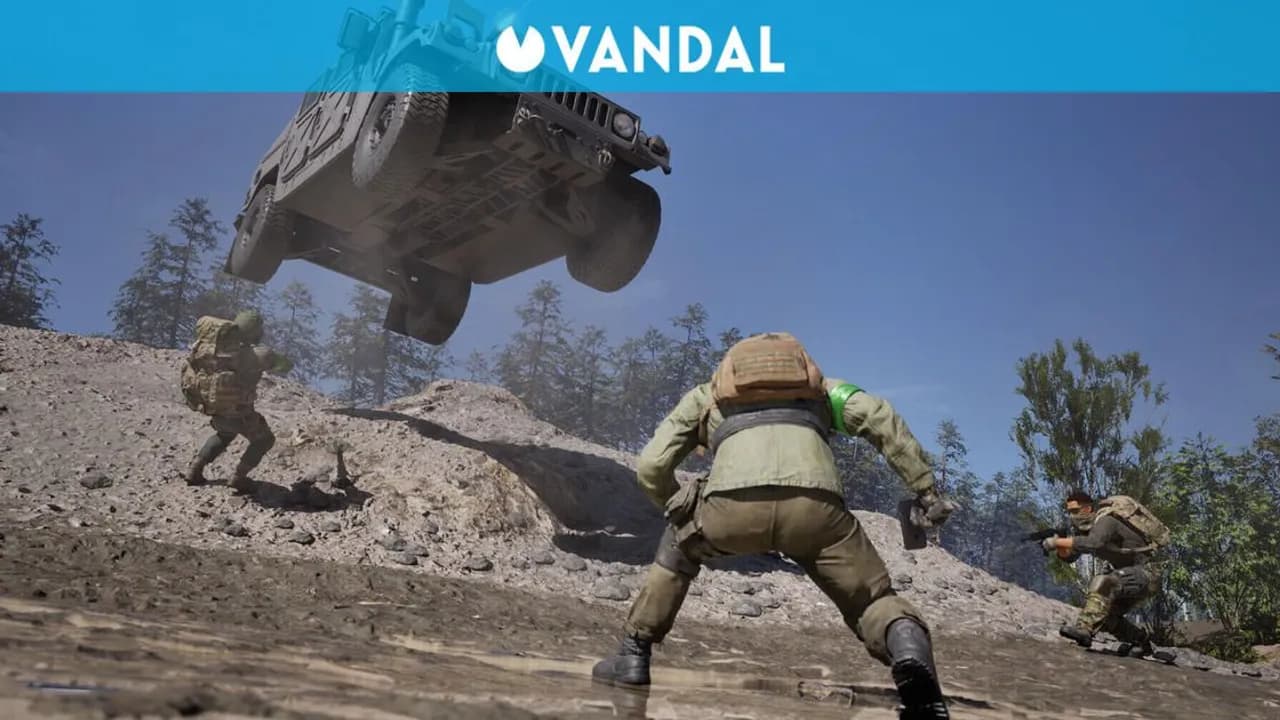
Imagen: Vandal
Joe Brammer, CEO of Bulkhead Interactive, the studio behind the multiplayer shooter Wardogs, has come out to clarify the remarks on crunch that earned him a wave of criticism a few days ago. As reported by Vandal, the executive now maintains that the overtime period during the game's production was short, just four weeks, and that taking part was voluntary. He does acknowledge, however, that there may have been social pressure within the team that pushed some employees to stay longer even if they didn't want to.
This matters because Wardogs is not just any project: it's one of the competitive releases of the year and a game many of us are already taking seriously for scrims and content. When the head of a successful studio says out loud that he rejects job candidates for criticizing crunch on social media, the message sent to the entire industry is that overtime is still part of the unwritten contract. And that affects both the people who make the games and those of us who play them.
What you need to know
- Brammer claims that crunch on Wardogs lasted four weeks and amounted to about two extra hours a day.
- He insists it was optional, but admits some employees may have felt pressured to take part.
- The controversy began when he said he expects his employees to be willing to face crunch if the time comes.
- He also acknowledged that the studio checks candidates' social media, and that anyone posting messages against any form of crunch probably wouldn't fit in at Bulkhead.
- According to his account, in June 2026 the studio was behind on development, which prompted that period of overtime.
From bravado to clarification
The sequence is a familiar one in the industry. First come the remarks that sound like company philosophy: at Bulkhead they try to avoid crunch, but everyone knows it can happen and the staff are expected to step up. Then social media fills with developers, journalists and players pointing out the obvious, and the executive resurfaces with a softer version and concrete figures: it was four weeks, two hours a day, nobody was forced.
The detail that has caused the most noise, however, isn't the hours but the social media screening. A studio looking at a candidate's public profile is nothing new, but admitting that a history of anti-crunch posts is grounds for rejection turns a supposedly exceptional practice into a condition of entry. Brammer has not denied that part in his clarification, according to what Vandal published; he has focused on narrowing down the duration and the voluntary nature of the overtime.
The problem with 'voluntary'
This is the crux of the whole matter, and Brammer himself put it on the table without meaning to. If the CEO publicly says he expects his employees to face crunch when the time comes, and then opens an 'optional' overtime period, how many people are going to go home on time while the rest of the team stays? He himself admits there was social pressure. In a small studio, where everyone knows everyone and the boss has made his stance clear, the line between voluntary and mandatory is practically nonexistent.
Our take
At Underworld Lordz we are competitive players and content creators, and we like Wardogs. That's exactly why this story bothers us. A shooter with competitive-scene ambitions needs years of support: patches, balance, seasons, events, anti-cheat. All of that is done by a team of people, and a team that gets used to solving delays with crunch, however short, is a team that ends up burned out, with staff turnover and less capacity to sustain the game in the long run. Those four weeks in June may seem like a small thing, but what's worrying is the culture around them.
Brammer's clarification does have one merit: it gives figures and admits the social pressure instead of denying it. That's more than other executives usually do. But it doesn't fix the underlying issue. Rejecting candidates for speaking out against crunch on social media isn't about 'culture fit', it's about shielding yourself from anyone who might question the way you work. And in the long run, that impoverishes both the studio and the game. We would rather have a Wardogs that arrives a month late than one built on overtime nobody dared to turn down.
As a community we have more power than it seems. Studios listen when players and creators talk about these things, not just about broken weapons or maps. We'll keep playing and creating content around Wardogs, but we'll also keep calling it out when a studio's rhetoric doesn't live up to its game.
What do you think?
Brammer says the crunch was short and voluntary, but admits there was pressure to stay. We want to know how you see it from the player's side: do you care how a game you've been playing since day one was made, or does only what you see on screen count? Tell us in the team chat or drop by our Discord and start the debate.
Your turn
What do you think?
Share your take in the team chat or on Discord. We feature the best opinions in the next article.
How did it land?
Community takes
…