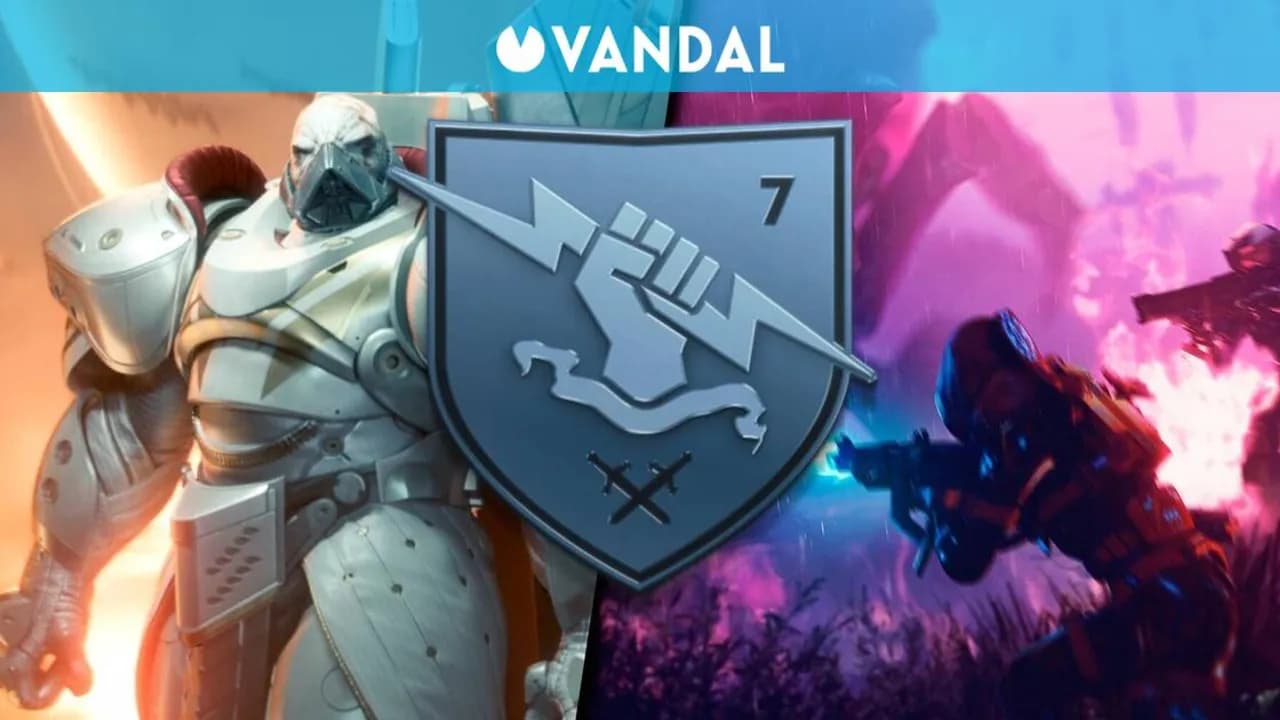
Xbox Cuts 268 Jobs: Ninja Theory's Future Uncertain and Halo Studios Down to a Skeleton Crew
By Redacción UWLG · Source: Eurogamer España
Imagen: Eurogamer España
Xbox has confirmed a new round of layoffs across its internal studios affecting 268 employees. According to information published by Eurogamer España, the cuts are not spread evenly: Ninja Theory is reportedly at risk of closure, Halo Studios would be left with a bare-bones structure, and several teams would be folded in under the Activision umbrella.
This is not just another administrative adjustment. It is a reshuffle that touches two names with real weight inside the Xbox ecosystem: a studio with a strongly defined creative identity, and the team behind the series that served as the brand's flagship for years. For anyone who plays, competes or creates content around these franchises, the underlying message is uncomfortable: the structure holding up the games we play is being reshaped once again, and not for the better.
What you need to know
- The confirmed figure is 268 layoffs spread across Xbox's internal studios, according to Eurogamer España.
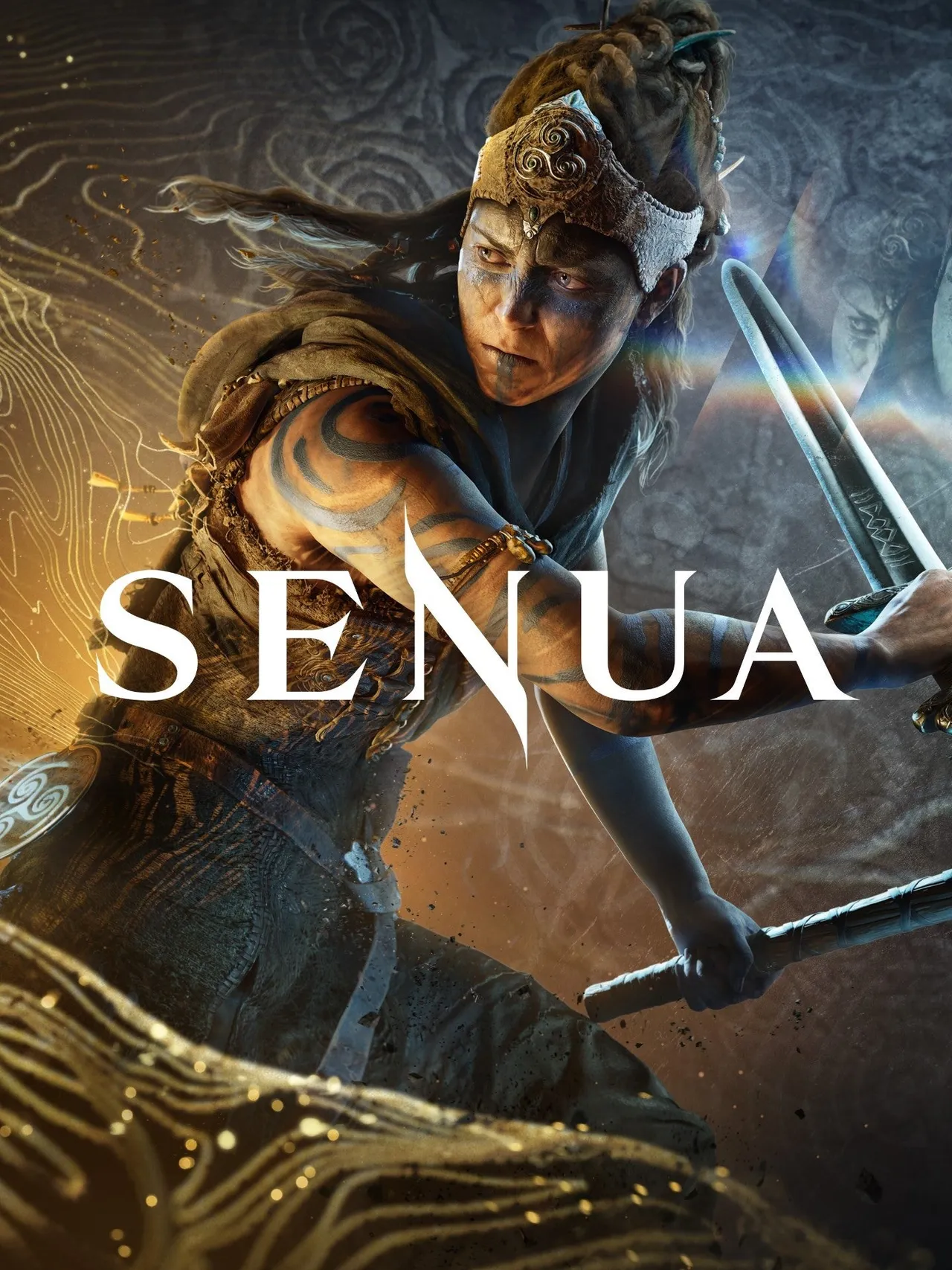
- Ninja Theory looks like the most delicate case: its future is in doubt.
- Halo Studios is reduced to a skeleton crew, which raises serious questions about the pace and ambition of the series going forward.
- Several teams are being absorbed by Activision, a clear sign of internal consolidation following the company's integration.
- Beyond these points, the available information is what the source reports; the rest of this article is our own analysis.
What is really changing inside Xbox
The most straightforward reading is that Xbox is shifting from a model built on many studios with distinct voices to one with fewer production hubs and more concentrated muscle. Absorbing teams into Activision is not just moving boxes around an org chart: it means product priorities, release schedules and working culture get aligned with a far larger structure that is far more focused on high-performing franchises.
The Ninja Theory situation stings because of what the studio represents. It is a name associated with auteur-driven projects, with a heavy commitment to art direction, performance and storytelling. That kind of work rarely fits neatly into a spreadsheet when the cuts come, because its value is reputational before it is financial. And reputation is exactly what a platform needs when it wants to convince you that its catalogue is worth your subscription.
The Halo Studios case is different but just as telling. Leaving the team that guards a historic series with only the bare minimum suggests one of two things: either the current project is being reorganised from the ground up, or the creative weight of the franchise is going to be spread outside the house. Neither option is reassuring if what you want is a competitive shooter with serious support, consistent patches and a tournament ecosystem that does not fizzle out after six months.
Who this affects beyond the offices
The first consequence is human: 268 people with projects, teams and careers interrupted. That needs saying before any market analysis. The second is structural, and it hits us directly as a competitive community. A live-service game survives on the people who maintain it: balance, anti-cheat, servers, spectator tools, support for community tournaments. When the headcount is cut to the bone, all of that goes into the queue.
For content creators the blow is indirect but real. The release and update calendar is the raw material of streams and videos. Fewer studios and fewer people means fewer events, fewer seasons, and narrower windows of attention around the handful of big titles that do get investment.
Our take
At Underworld Lordz we have spent years watching the same pattern: billion-dollar acquisitions, speeches about catalogue diversity and, not long after, cuts that punish precisely the teams that provided that diversity. Buying studios is easy; sustaining them is the hard part. If the end result of an expansion strategy is concentrating everything into a handful of safe franchises, then what was bought was not creative talent, it was a catalogue.
We are especially concerned about the message this sends to the competitive scene. Esports ecosystems are not built with announcements, they are built with years of steady support and dedicated teams. Stripping back the studio that looks after a historic competitive series sends a signal that is hard to misread for any organisation weighing up whether to invest time, a roster and money into that title. Nobody wants to build a structure on top of a game that could go into maintenance mode.
That said, let us be fair: reorganising is not automatically the same as abandoning, and there is still a lot we do not know about how the projects end up being distributed. Reasonable doubt is fair game. What is not fair game, from where we stand, is asking the community for trust without offering a clear plan in return. If Xbox wants us to keep backing its franchises, the next step has to be showing the roadmap, not just the bill for the cutbacks.
What do you think?
We want to hear from the community before drawing any final conclusions, especially from those of you who compete or create content around the affected franchises. Do you think this restructuring gives Xbox the focus it needed, or is it the beginning of the end for its most daring studios? Drop by the team chat or our Discord and make your case.
Your turn
What do you think?
Share your take in the team chat or on Discord. We feature the best opinions in the next article.
How did it land?
Community takes
…