
Astralis breaks with its Danish DNA: siuhy and cmtry complete its first international CS2 lineup
By Redacción UWLG · Source: Esports Insider
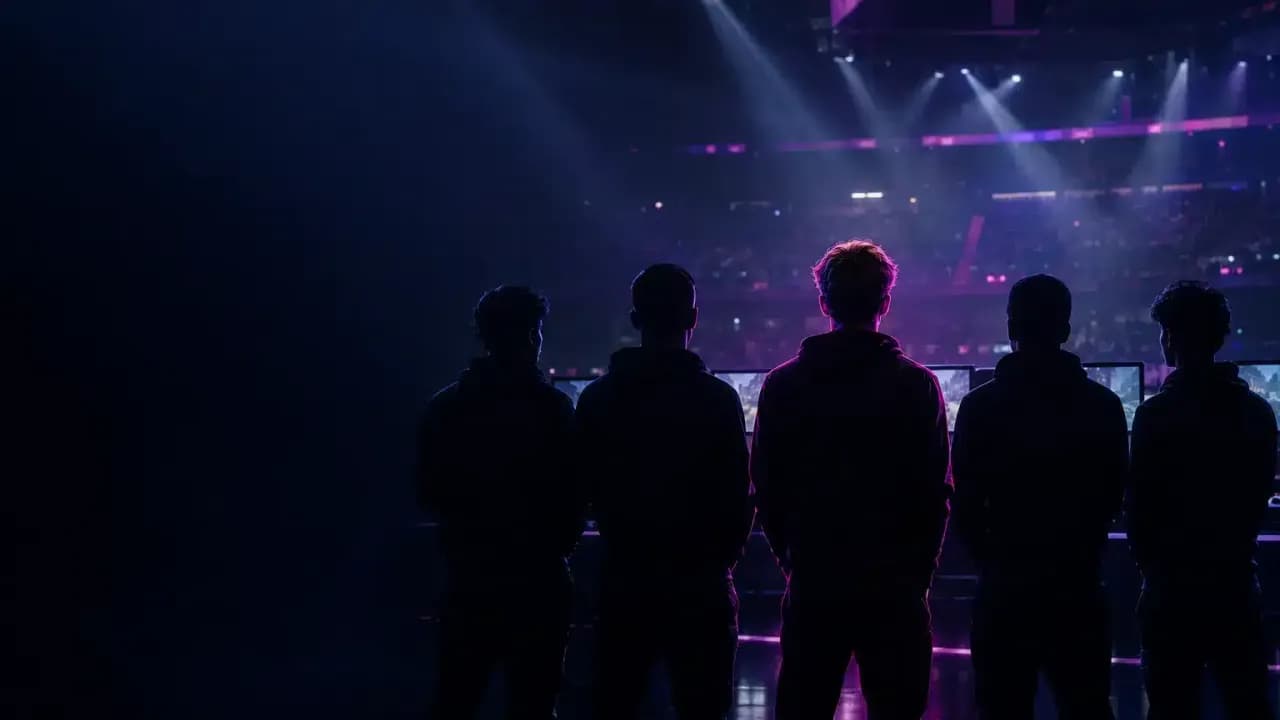
Imagen: Esports Insider
For years, saying Astralis meant saying Denmark. The organisation built its Counter-Strike legacy around a Danish core, a strong national identity and a style of play that became the benchmark for the entire scene. That era has now officially come to an end: according to Esports Insider, the signings of siuhy and cmtry complete the first international lineup in the club's Counter-Strike 2 history, and only one Danish player remains in it.
This isn't just another signing or a simple roster tweak. It's a change of philosophy at one of the most recognisable brands in European esports. Astralis is abandoning, at least for now, the idea that its strength depended on sharing a language and culture inside the server, and is betting on finding talent regardless of passport. For an organisation with so much history, the message is clear: nostalgia doesn't win games.
What you need to know
- Astralis has completed its first international roster in Counter-Strike 2.
- The final pieces of the team are siuhy and cmtry.
- Following these moves, the roster has just one Danish player.
- The change means leaving behind the national-team model that defined the organisation throughout its history.
- The original report comes from Esports Insider.
From national pride to the global market
To understand the weight of this news, you have to remember what Astralis stood for. The club was synonymous with a Danish generation that dominated competitive Counter-Strike, won multiple Majors and turned tactical work, map preparation and coordinated utility usage into a standard that everyone else had to copy. That identity wasn't only about competition: it was commercial too. Danish fans saw the team as their own, almost like a national side.
The scene, however, has changed. International teams that communicate in English are no longer the exception but the norm at the top level. Organisations that clung to single-country rosters ran into an obvious problem: the pool of available players is limited, and when the national talent pipeline goes through a rough patch, the competitive ceiling drops with it. Opening up to the global market multiplies the options, although it also brings new challenges.
What changes inside the server
The most immediate impact is on communication. An international team forces everyone to play in a common language, which usually requires an adjustment period: mid-round calls, quick adaptations and timeout discussions feel less natural at first. In return, the organisation can pick specific profiles for each role instead of settling for what a single country has to offer.
The relationship with the fans changes as well. Some Danish supporters may feel the team no longer belongs to them in the same way, while the brand gains the chance to connect with fans in other countries thanks to where its new players come from. It's a trade of local loyalty for global reach, and the outcome will depend largely on what happens at tournaments.
Our take
At the Underworld Lordz newsroom, we believe Astralis has made the right call, even if it comes late. Keeping a national identity has its charm, but at today's top level the margin for error is tiny, and shutting the door on a large share of the available talent is a luxury few organisations can afford. If the goal is to compete for titles again, a passport can't count for more than performance.
That said, it's not as simple as putting names together. The international teams that work usually have serious cohesion work behind them: a well-defined calling language, clear roles and patience from management. If Astralis expects immediate results, it risks burning out the project before it matures. Our advice is to judge this team over the medium term, not by its first few weeks.
For competitive players, especially Spanish speakers, the lesson is straightforward: mastering in-game English is no longer optional if you're aiming for the top. And for content creators, this shift opens up a very compelling story: the giant reinventing itself, a divided fanbase and the question of whether a legend can rebuild without the roots that made it great.
What do you think?
Astralis has traded the identity that made it famous for a bet open to international talent. It could pay off big or turn into a failed experiment. Do you think a historic organisation should preserve its national essence or adapt fearlessly to the global market? Tell us where you stand in the team chat or on our Discord.
Your turn
What do you think?
Share your take in the team chat or on Discord. We feature the best opinions in the next article.
How did it land?
Community takes
…
Keep reading
Gaming
Lifetime Ban in CS2: The kzy Case and the $4.5 Million Bet
Competitivo
Vitality win their fourth Pro League and become CS's all-time top prize earners

Competitivo
m0NESY stays at Falcons until 2030: the Major MVP signs a long-term deal
Gaming
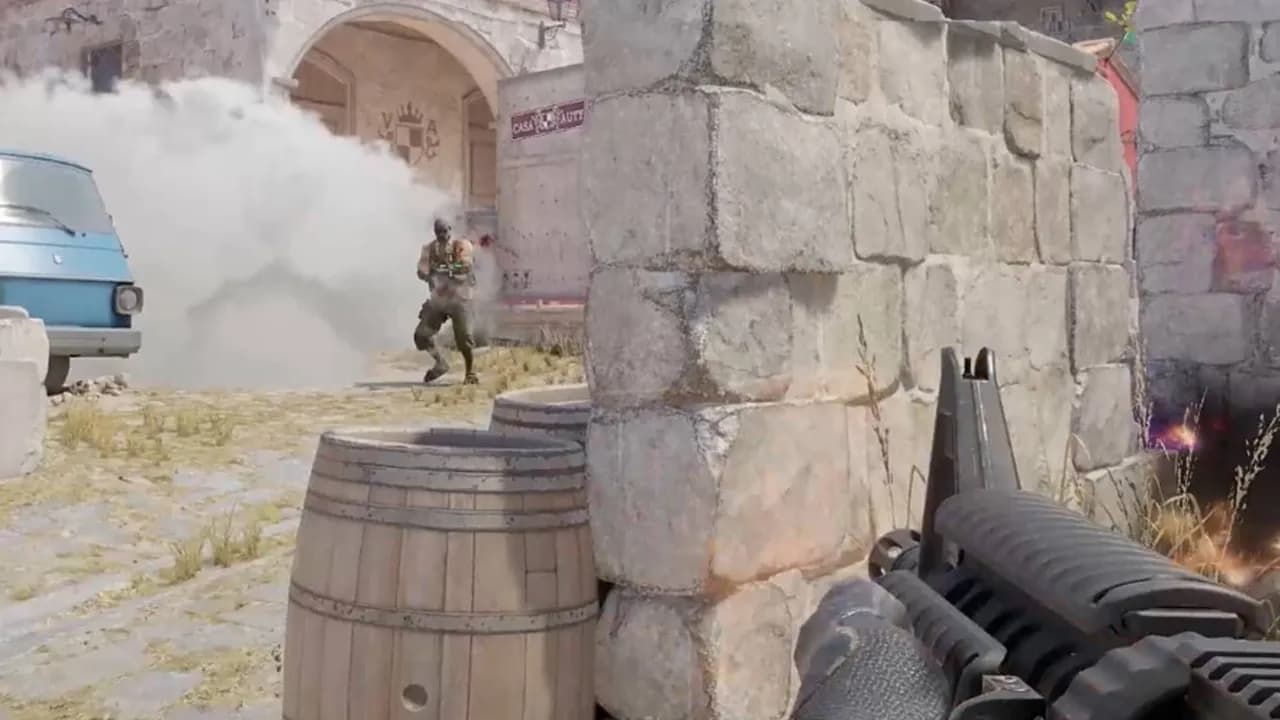
A CS2 Player Turns His Master's Thesis Into a Cheater-Hunting System
Team guides
Granadas de Mirage en CS2: smokes, flashes y molotovs
Team guides
Errores comunes en squad en CS2 y cómo corregirlos