
Uncontrolled Level Packs: The FPS Wild West That Ended Up in Court
By Redacción UWLG · Source: PC Gamer
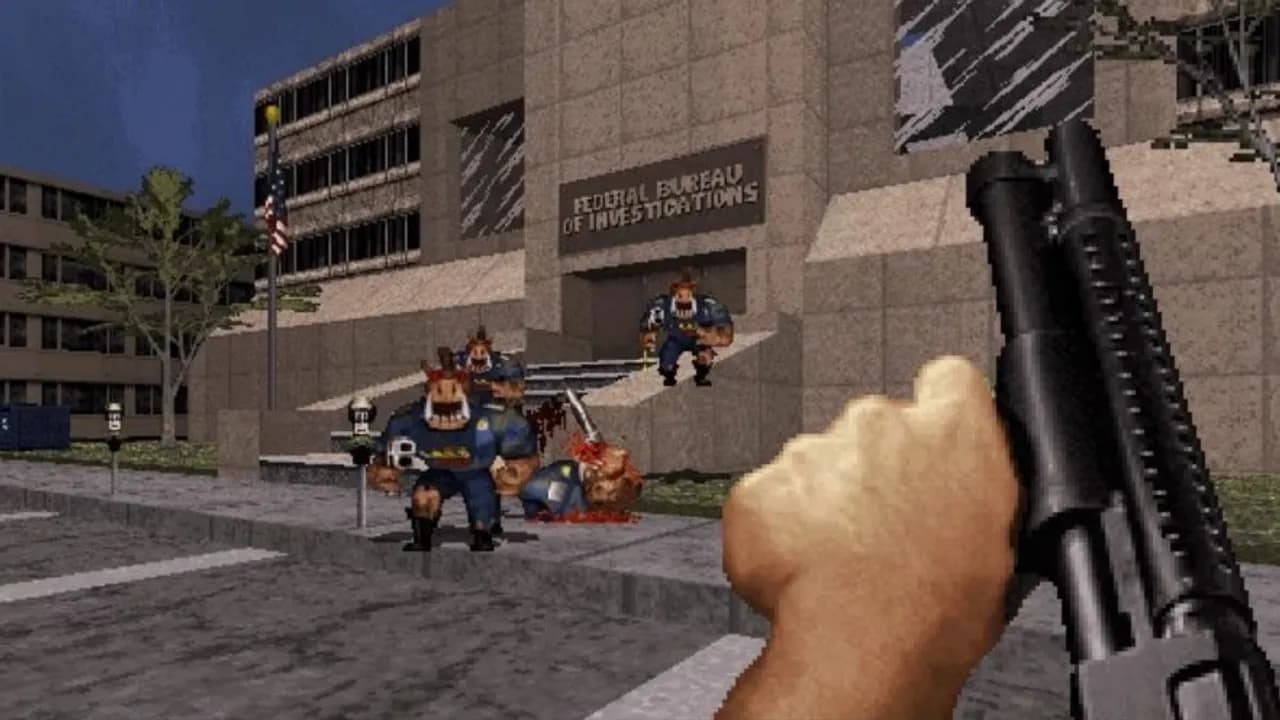
Imagen: PC Gamer
Before built-in workshops, curated mod stores and forty-page terms of service, there was a time when anyone with a map editor and a desire to make money could cram dozens of levels onto a disc and sell them. PC Gamer has published a look back at that moment in PC history, which it describes as a "forgotten fourth estate" of gaming: the arrival of first-person shooters opened up a wild frontier of completely unregulated level packs, and that party ended in a lawsuit that, according to the outlet, changed copyright forever.
Why should this matter to you in 2026 if you play competitively or create content? Because almost everything you take for granted today, from community maps to custom modes that end up becoming full games, rests on the rules that were set back then. The underlying question is still very much alive: when you build something on top of someone else's game, who does it really belong to?

What you need to know
- According to PC Gamer, the rise of first-person shooters triggered a wave of level packs created and distributed without any oversight.
- That market operated like a lawless frontier: third-party content built on other companies' games, in many cases for commercial purposes.
- The situation ended up in a lawsuit.
- That lawsuit, according to the outlet, changed copyright forever as far as video games are concerned.
- The original article frames that period as a forgotten chapter of PC history.
A Wild West made of maps
To understand the phenomenon, you need some context. The first big PC shooters weren't just games: they were open platforms. Their data structures allowed the engine to be separated from the content, and that invited the community to create its own levels. What started as a hobby soon turned into a business, and that's when level compilations started appearing that were sold on their own, without explicit permission or clear rules about what was and wasn't allowed.
The problem seems obvious in hindsight: if someone makes money from levels that only work thanks to another company's game, are they creating a new work or exploiting someone else's? For a while, nobody had a firm answer, and that ambiguity is exactly what PC Gamer describes as a wild frontier.
From anarchy to precedent
The lawsuit that brought that era to an end is the heart of the piece. We won't get into names, figures or dates that the source doesn't detail in what we received, but the message is clear: a court had to decide how far ownership of a game extends when the community builds on top of it, and the ruling left its mark. Since then, the relationship between studios and content creators has played out within that framework: studios tolerate or encourage creation, but keep the power to shut it down when money is involved.
Our take
Here at the Underworld Lordz newsroom, we're clear on this: that era was chaotic, but it was also a breeding ground for talent. Much of PC competitive culture was born from community-made maps, player-run servers and modes no studio had ever imagined. Celebrating that spirit doesn't mean defending anyone who secretly sells someone else's work, but it does mean remembering that player creativity has been the driving force of the genre.
What worries us is the other side of the coin. The precedent PC Gamer mentions protected original creators, and that's a good thing, but over the years it has allowed many companies to treat whatever the community makes as theirs by default. If you're a content creator, you've already been through it: copyright claims on videos, maps taken down, community tournaments that need a license. The line between protecting a work and controlling your own player base is very thin, and it isn't always respected.
For the competitive scene, the lesson is a practical one: leagues and formats that depend on community content are always living on borrowed permission. Knowing how we got here helps explain why it's worth demanding clear rules in writing, instead of relying on the goodwill of a studio that could change its mind tomorrow.
What do you think?
Was it necessary to bring order to that Wild West, or was something valuable lost along the way? If you make maps, mods or content based on other people's games, you surely have stories to tell. Do you think studios should share profits with community creators, or is the game theirs, end of story? Drop by the team chat or our Discord and let us know.
Your turn
What do you think?
Share your take in the team chat or on Discord. We feature the best opinions in the next article.
How did it land?
Community takes
…
Keep reading

Gaming
Xbox Cuts Studios and Launches Xbox XP: Its Bet on Film, TV and Merchandise
Gaming
Street Fighter 6 bundles its first two years into one edition: what we know
Gaming
Gears of War: E-Day sells modestly, but Game Pass tells a different story

Gaming
GTA 6 at $80: Warhorse wants that to be the new price of triple-A games