
Lifetime ban in CS2: flaunting cash during a match-fixing suspension proves costly
By Redacción UWLG · Source: Dexerto

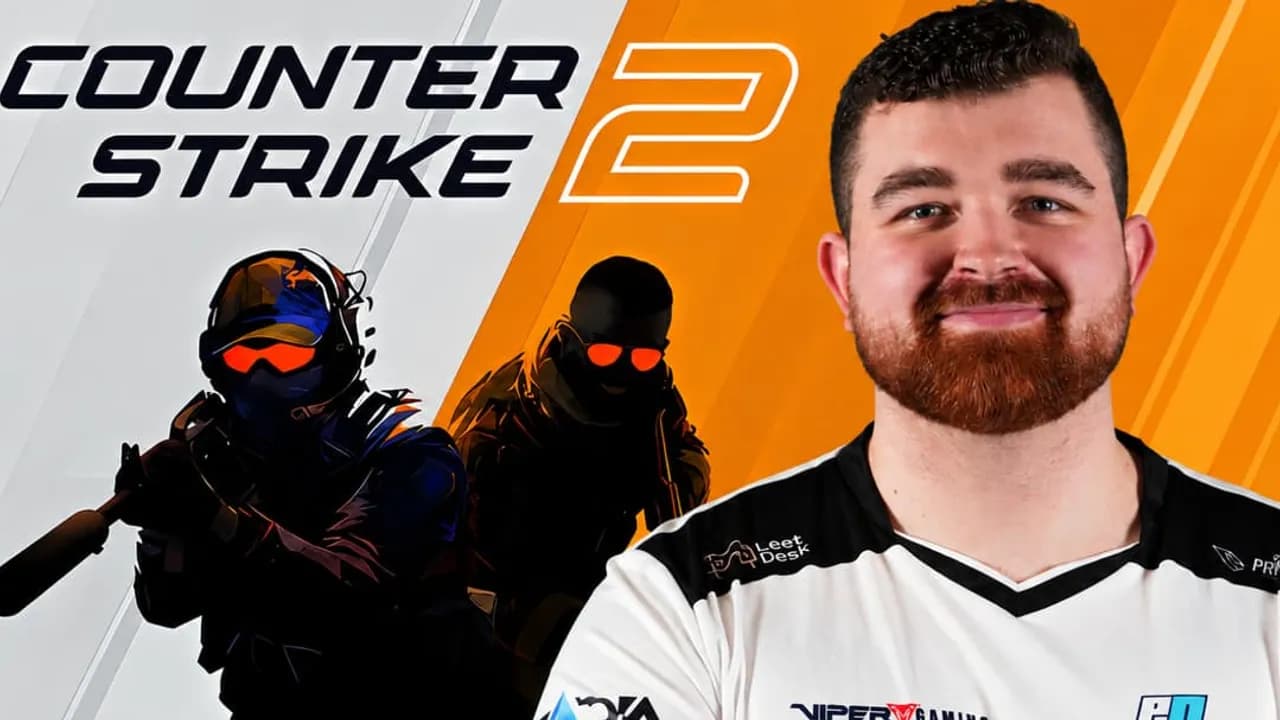
Imagen: Dexerto
The Counter-Strike 2 competitive scene is making headlines again for a reason nobody wants to read about. According to Dexerto, a professional player who was already serving a three-year suspension for match-fixing has now received a lifetime ban. The trigger was a series of social media posts in which he showed off wads of cash while still suspended. On top of that, the case has been reported to the police.
This story matters for more than just how eye-catching it is. Match-fixing is probably the most serious threat to any esport, because it destroys the one thing that gives competition its value: the certainty that what you see on the server is real. A suspended player flaunting cash during his ban is a direct challenge to the authority that punished him, and the response has been to shut the door for good and take the matter into criminal territory.
What you need to know
- The player was serving a three-year suspension for match-fixing in Counter-Strike 2.
- During that suspension, he posted content on social media in which he showed off large amounts of money.
- As a result, his suspension was upgraded to a lifetime ban.
- The case has been reported to the police, opening the door to consequences beyond the world of competitive gaming.
- The original report comes from Dexerto.
Context: why match-fixing is still the biggest enemy
Counter-Strike has a complicated history with betting. It is one of the most heavily bet-on titles in the esports ecosystem, and that creates a perverse incentive: in mid- and lower-tier tournaments, where salaries are modest and exposure is limited, throwing a match on purpose can pay better than winning it. That is why integrity bodies and tournament organizers have spent years toughening penalties and monitoring suspicious betting patterns.
The source does not name the player or the body that issued the extended ban, so we are not going to speculate. What matters is the message being sent: a temporary suspension is not a break to sit back and wait for your return. Suspended players are expected to respect their punishment and, at the very least, not flaunt something that could be read as the proceeds of their misconduct. Showing off cash under those circumstances is not just a provocation; it can also become evidence that catches the authorities' attention.
From sporting sanctions to criminal charges
The case reaching the police marks an important shift. In many countries, fixing competitions linked to betting is a criminal offense or may fall under charges such as fraud. A competitive ban keeps you out of tournaments; a criminal investigation can have far more serious consequences. For the rest of the scene, this step makes it clear that match-fixing is not settled with just a statement and a return date.
Our take
Here at the Underworld Lordz newsroom, we are clear on this: the lifetime ban is proportionate. Anyone who fixes matches is not just cheating their opponents; they are betraying their teammates, their organization, their sponsors and every single person who spends hours watching and supporting the competition. A three-year suspension was already a second chance. Using it to show off cash proves there was no intention whatsoever of understanding the damage done.
That said, we also want to be critical of the system. Match-fixing cases keep happening because the base of the competitive pyramid is still precarious. Many players in smaller circuits compete for irregular salaries or no pay at all, while the betting market on those very same matches moves real money. Harsh punishment is necessary, but it is not enough. We need more oversight in small tournaments, integrity training for young players and safe channels to report suspicious offers without fear of retaliation.
There is another lesson here for content creators: what you post on social media is part of your professional image and can have consequences. This case is the extreme example, but remember that organizers, brands and integrity bodies are also watching what you upload. If you compete or create content around the scene, credibility is your most valuable asset, and it is lost much faster than it is built.
What do you think?
Some people think lifetime bans are excessive and that everyone deserves a second chance, while others believe there should be zero tolerance for match-fixing. In this case, there had already been a first suspension and the player chose to provoke. Do you think a lifetime ban is the right response, or should esports bet on other kinds of measures against match-fixing? Drop by the team chat or our Discord and tell us where you stand.
Your turn
What do you think?
Share your take in the team chat or on Discord. We feature the best opinions in the next article.
How did it land?
Community takes
…
Keep reading

Competitivo
Astralis breaks with its Danish DNA: siuhy and cmtry complete its first international CS2 lineup
Gaming
Lifetime Ban in CS2: The kzy Case and the $4.5 Million Bet

Competitivo
Vitality win their fourth Pro League and become CS's all-time top prize earners

Competitivo
m0NESY stays at Falcons until 2030: the Major MVP signs a long-term deal
Team guides
Granadas de Mirage en CS2: smokes, flashes y molotovs
Team guides
Errores comunes en squad en CS2 y cómo corregirlos