
TFT goes club-based: the Hispanic League targets the strongest community in the world
By Redacción UWLG · Source: Movistar eSports
Imagen: Movistar eSports
Teamfight Tactics is taking a step many of us had been waiting for: a competition built around a club format for the Spanish-speaking community. According to Movistar eSports, the TFT Hispanic Club League is now a reality, and the outlet pairs the announcement with an interview with AKAWonder, one of the most recognizable names in Spanish-language autochess, along with a rundown of everything known about the league so far.
The news matters because of the context it arrives in. The source itself points out that, for several years now, the Spanish TFT scene has established itself as one of the strongest on the planet, both for the level of its professional players and for its community's ability to organize. Giving that base a club structure is no small detail: it is the difference between a scene of scattered talents and a scene with a collective identity, rivalries and a storyline.
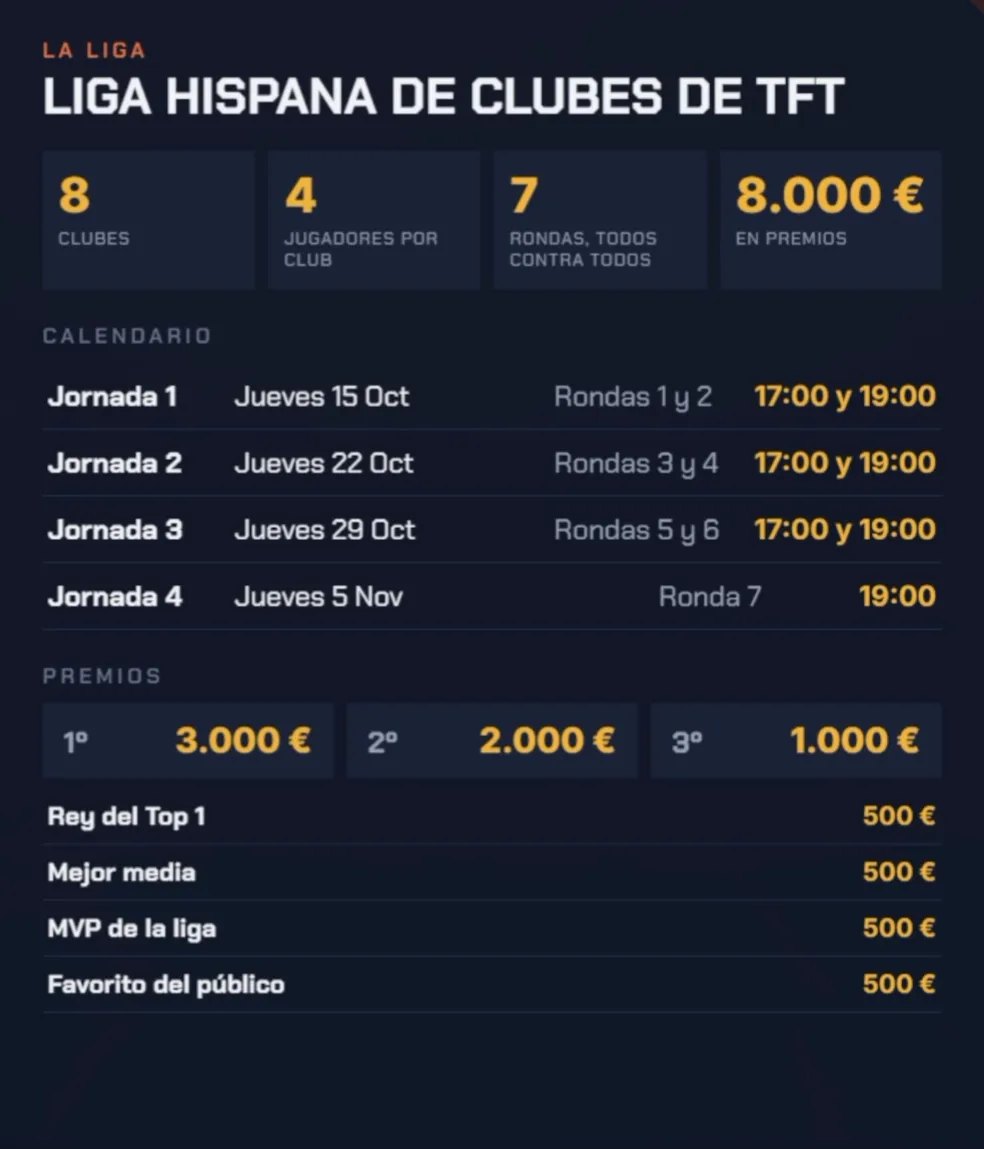
What you need to know
- What it is: a club-based TFT league aimed at the Spanish-speaking community, as reported by Movistar eSports.
- Who is speaking: AKAWonder headlines the interview accompanying the launch, bringing the perspective of someone with years of experience in the scene.
- Why now: the Spanish TFT community has long ranked among the strongest in the world, both in competitive results and in organization.
- Where to learn more: the full details of the format are in the original Movistar eSports article, which is the source for this piece.
From solo players to a club structure
For a long time, TFT has lived as a game of individuals. The mode is one versus seven, the ranking is personal, and international standings reward the player, not the team. That has made the Spanish-speaking scene shine through individual names, while struggling to build something people could follow week after week the way they follow a football league or a League of Legends competition.
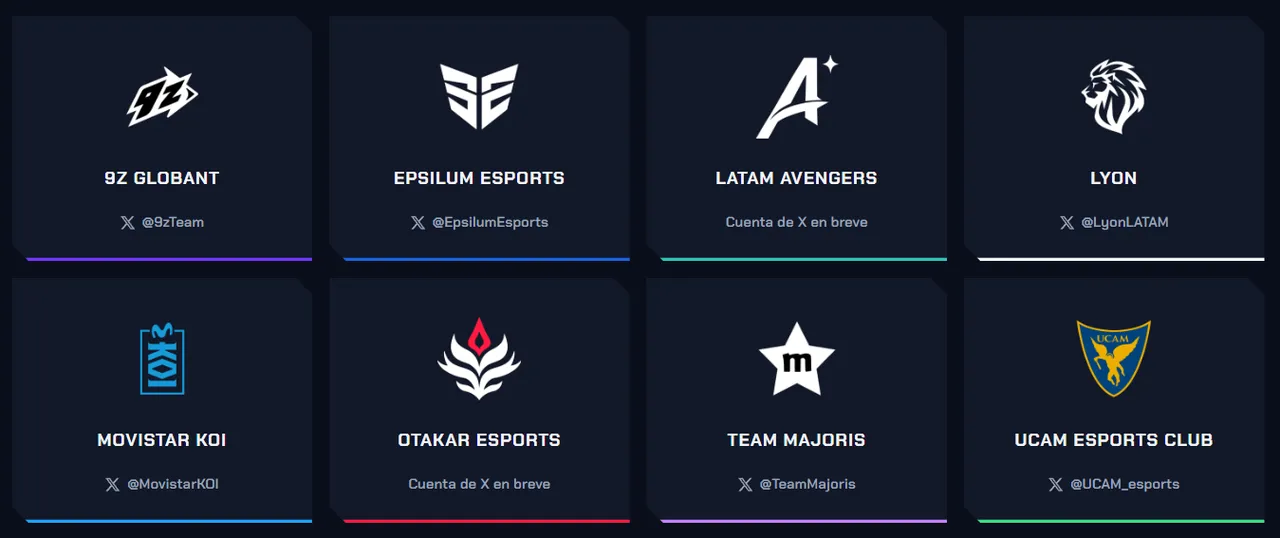
A club format changes that logic. Even though each game remains an individual affair, the result counts toward an entity with a crest, colors and a fanbase. For teams like ours, that opens a door that until now was closed: signing TFT players with a concrete goal, building a roster, planning a season, and giving the club's content creators a narrative reason to broadcast every matchday.
AKAWonder's role and the weight of the community
It is no coincidence that the launch comes with an interview with AKAWonder. They are one of the most experienced voices in Spanish-language TFT and know firsthand how the scene has evolved. While we are not reproducing their specific statements here, which can be read in full on Movistar eSports, their presence works as a stamp of credibility: when a leading figure backs a project, the rest of the community pays attention.
The source stresses something worth underlining. The strength of the Spanish-speaking scene does not come only from the players competing at the top, but from its ability to organize: community tournaments, leagues among friends, streams with volunteer commentators. That grassroots culture is exactly what a club league can channel and professionalize without killing its spirit.
Our take
At Underworld Lordz we have long argued that TFT deserves its own Spanish-language ecosystem, and this league is heading in the right direction. With the little information available so far, what excites us is the concept: clubs, belonging and continuity. What makes us cautious is everything we still do not know. A club league needs a stable calendar, clear rules on substitutions and, above all, a scoring system that does not turn the tournament into a game of luck with the cards. None of that appears in the material we have been able to verify, so we will judge it when we see it in action.
For the competitive player, the message is clear: for the first time there can be a path between the ladder and the international scene that does not depend solely on being top 10 in the region. Joining a club, playing matchdays, having teammates to analyze comps with. That is real development. For content creators, the club format is gold: there are stories, rivalries and a fanbase to follow, and that translates into streams with purpose rather than isolated videos of random games.
Our criticism is aimed at what usually goes wrong in projects like this: communication with grassroots players and transparency in how the participating clubs are chosen. If the league is limited to the same organizations as always and leaves out communities that have spent years running tournaments on their own, it will lose precisely what the source highlights as the scene's greatest strength. We hope that will not be the case.
What do you think?
The TFT Hispanic Club League could be the leap the scene needed, or it could end up as just another experiment. We want to see it grow, but with our feet on the ground. Do you think club-based TFT makes sense, or will the game always be a one versus seven where the collective side is surplus to requirements? Tell us in the team chat or on our Discord.
Your turn
What do you think?
Share your take in the team chat or on Discord. We feature the best opinions in the next article.
How did it land?
Community takes
…
Keep reading
Competitivo
The top lane makes its move: the triangle that could define the entire LEC offseason
Competitivo
USA TODAY Sports and PlayVS launch their first high school esports championship

Competitivo
Razer, Faker and esports sponsorship: why a brand is in awe of one player
Competitivo
Hanwha Life arrive at Worlds 2026 ready to break the T1–Gen.G duopoly