
Peripherals That Feel Your Frustration: The Logitech G Play 2026 Roundtable
By Redacción UWLG · Source: IGN España
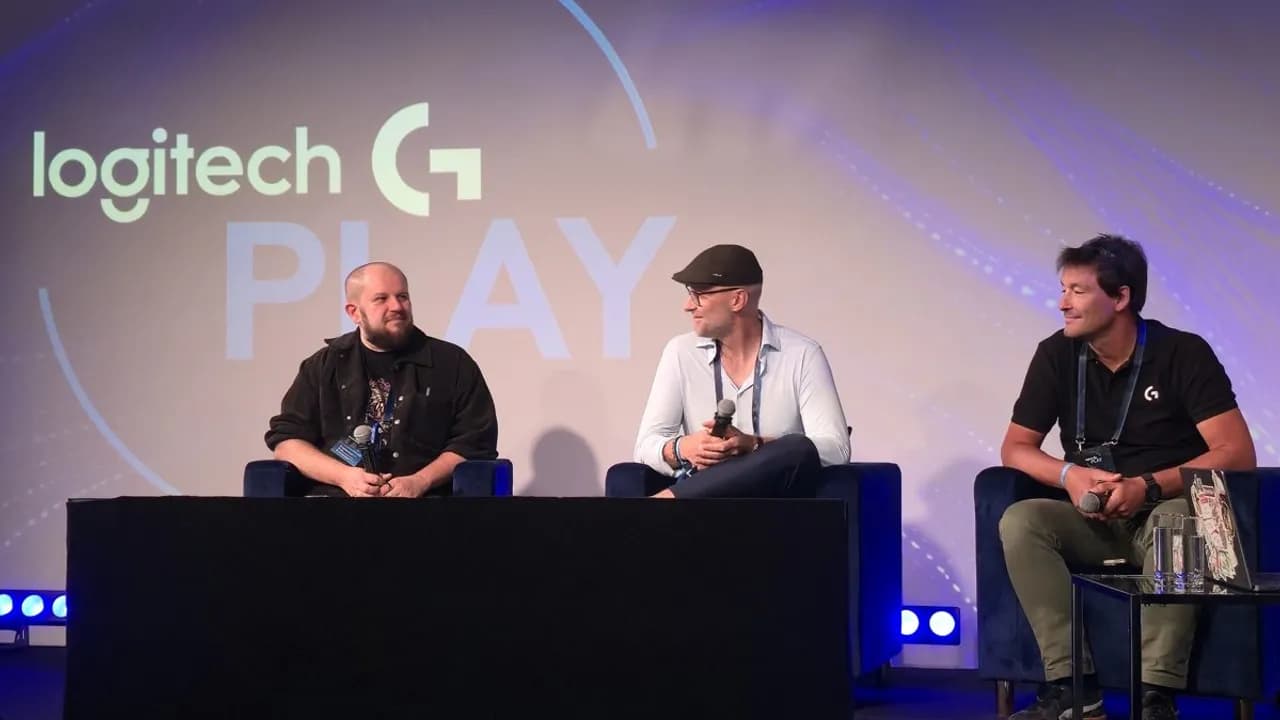
Imagen: IGN España
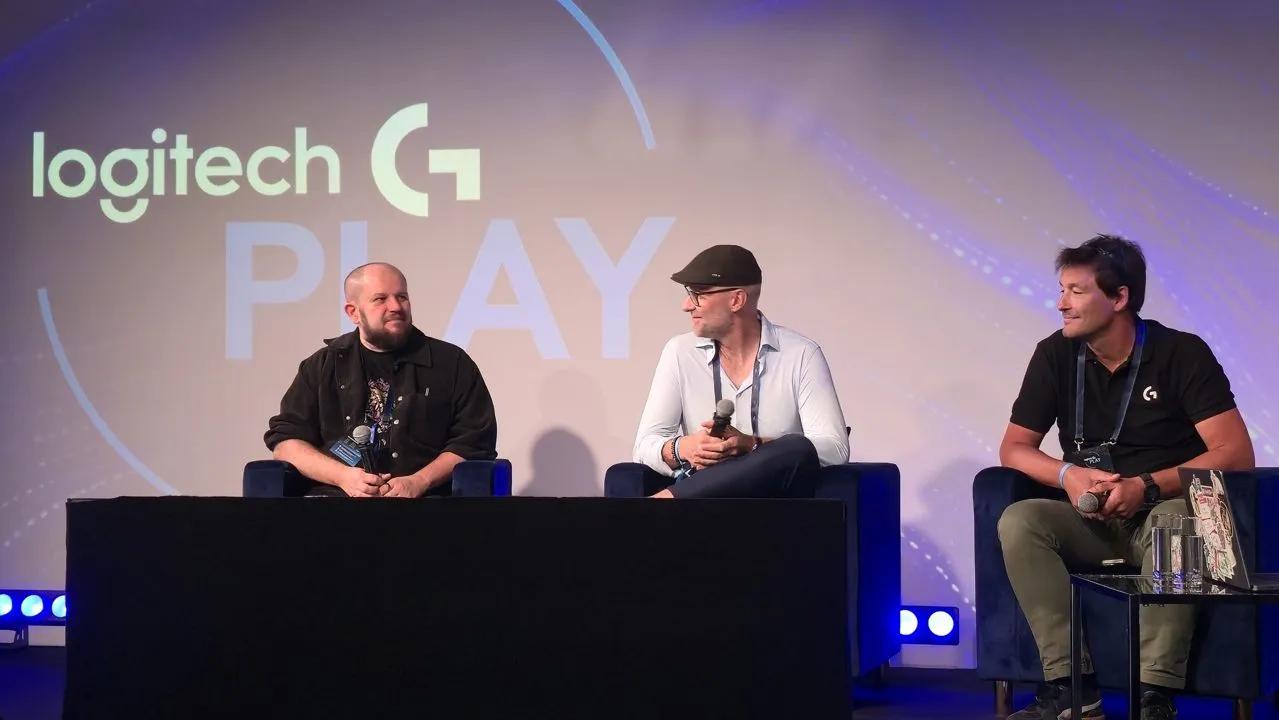
Warsaw hosted the 2026 edition of Logitech G Play, and one of its most talked-about moments wasn't a product launch but a conversation. As reported by IGN España, the event brought together professionals from CD Projekt Red, NVIDIA and Logitech for a roundtable on where the gaming industry stands today and where it's heading. Three very different perspectives on the same stage: those who build the worlds, those who provide the graphics power, and those who make the gear you touch every time you play.
The line that sums up the discussion is a bold one: the goal of having their products eventually convey the emotions and frustrations of the people playing. It may sound like a slogan, but it points to something we at Underworld Lordz know firsthand: the relationship between player and peripheral is no longer just technical, it's becoming emotional. And when it comes to competing, that relationship is everything.
What you need to know
- The roundtable took place during Logitech G Play 2026 in Warsaw.
- Professionals from CD Projekt Red, NVIDIA and Logitech took part.
- The main topic was the current state of the gaming industry and its future.
- The most striking idea: hardware that could eventually convey players' emotions and frustrations.
- The underlying information comes from IGN España's coverage.
Three pieces of the same puzzle
What makes this meeting interesting is the mix of voices. CD Projekt Red represents the creative side: the studio that designs narrative experiences and worlds meant to stir something in whoever explores them. NVIDIA brings the technology layer that lets those worlds look and feel the way they do. And Logitech closes the loop with the physical point of contact: the mouse, the keyboard, the headset, the racing wheel. Putting them side by side sends a clear message: the gaming experience is no longer designed piece by piece, but as a whole.
It's worth being honest about how much is actually known. The published summary doesn't mention specific products, technologies or timelines, so we don't yet know how this idea of a peripheral that picks up on or reflects what the player is feeling would actually work. What is clear is the direction these companies want to set in the conversation: fewer cold spec sheets and more emotional experience.
Who does this affect?
If this vision becomes reality, it would affect almost the entire ecosystem. Casual players, who could get more immersive experiences. Competitive players, who obsess over every millisecond and the consistency of their gear. And content creators, for whom showing genuine reactions is a core part of the job.

Our take
Our team likes seeing the industry think of players as people and not just as customers. But we also need to keep our feet on the ground: for competitive players, the best peripheral is the one you don't notice. Precision, minimal latency, reliability, and behaving exactly the same in the grand final as it does in practice. Any feature that interprets emotions will have to prove it doesn't add noise, distractions or new variables in an environment where consistency is everything. A mouse that reacts to your frustration is all well and good in a laid-back match; in a clutch, all we want is for it to do what it's told.
For content creators, on the other hand, the idea has more potential. Lighting, sound or effects that follow what's happening live could add real value to a stream and make it feel more alive. We see an interesting opportunity there, as long as it's optional, customizable and respects privacy. Because if a device is going to read how you feel, the inevitable question is what data it collects, where that data ends up and who controls it. That can't be buried in the fine print.
Our position, in short: cautious enthusiasm. We think it's valuable for a game studio, a graphics hardware maker and a peripherals brand to sit at the same table, but until there are concrete proposals, this remains a vision of the future. We're looking forward to real demos, designed with the competitive scene in mind too, not just for marketing.
What do you think?
Opinions on the team are split: some of us are ready to try peripherals that react to the game, while others don't want anything getting between their hand and the screen. Would you like your gaming gear to pick up on your emotions, or would you rather it just stay precise? Let us know in the team chat or drop by our Discord and let's talk it over.
Your turn
What do you think?
Share your take in the team chat or on Discord. We feature the best opinions in the next article.
How did it land?
Community takes
…
Keep reading
Hardware
PS5 Pro Has a Problem, and Sony Is Tackling It with an Unusual Fix
Hardware
GeForce NOW loads up October: 25 games, including Witcher 3 Remastered and Gears of War: E-Day
Hardware
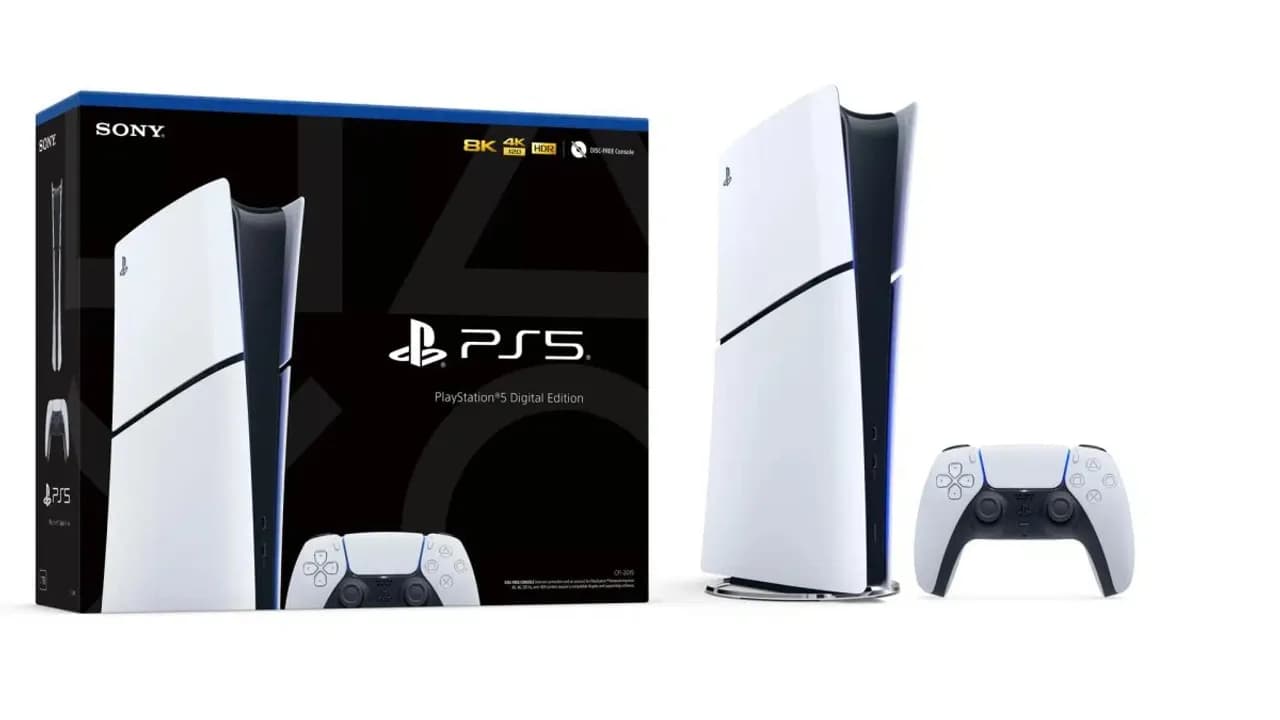
Sony brings AI upscaling to the standard PS5 with QSSR

Hardware
QSSR comes to every PS5: the AI upscaler that aims to end blurry image quality